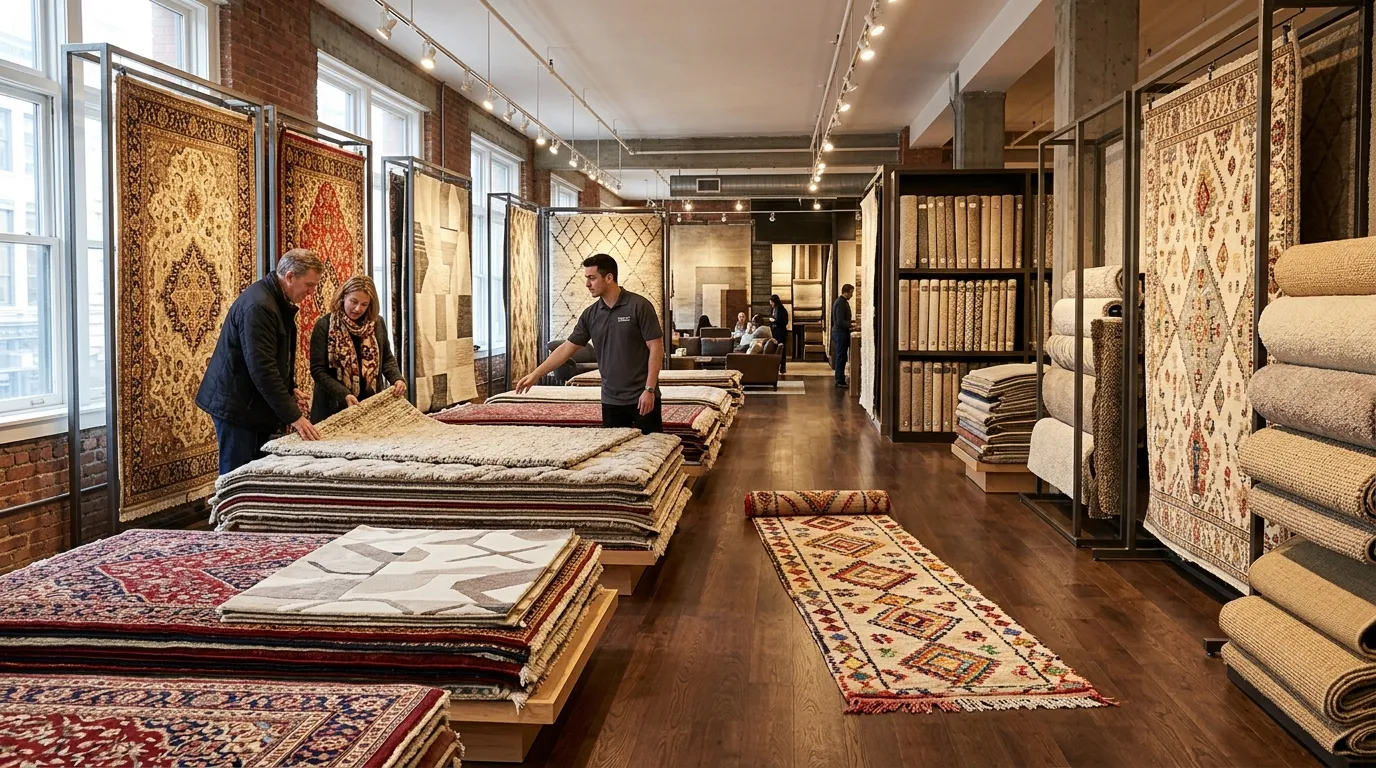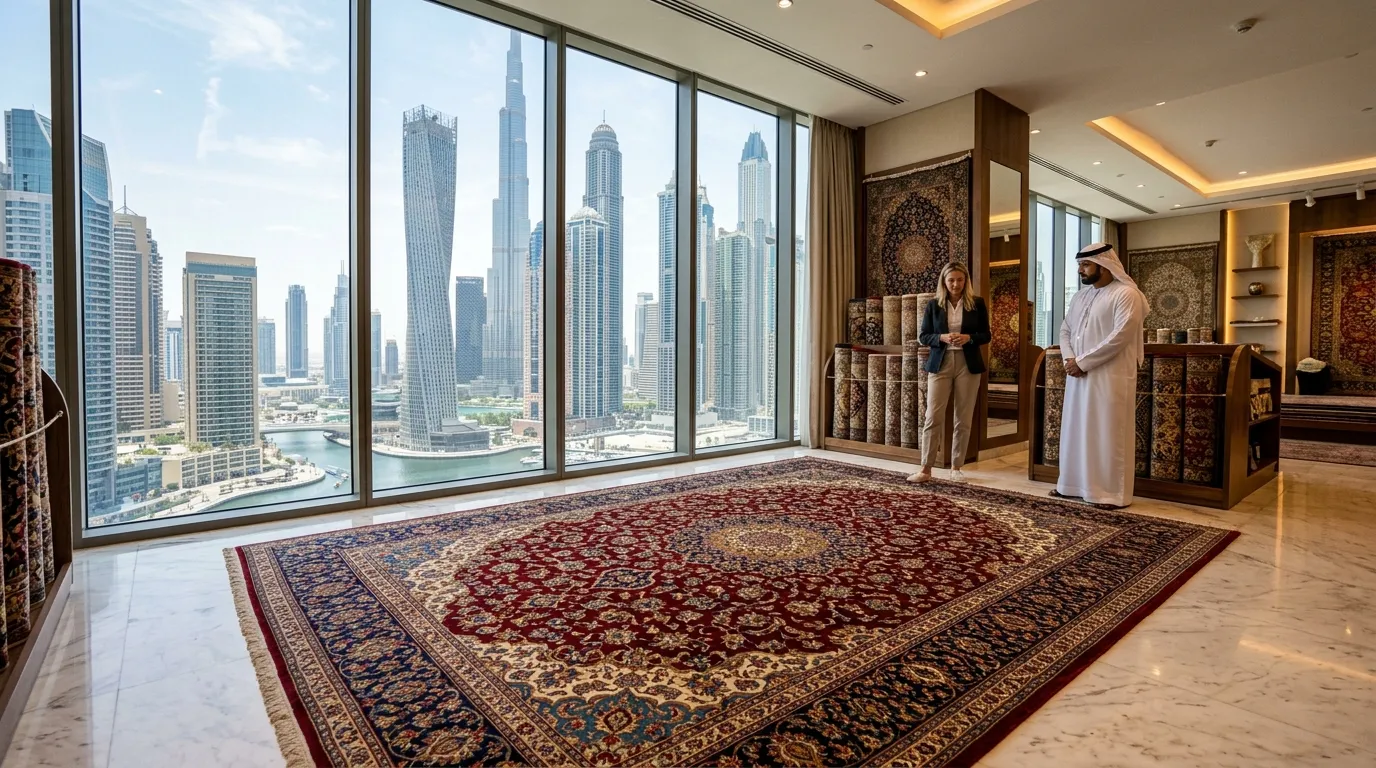

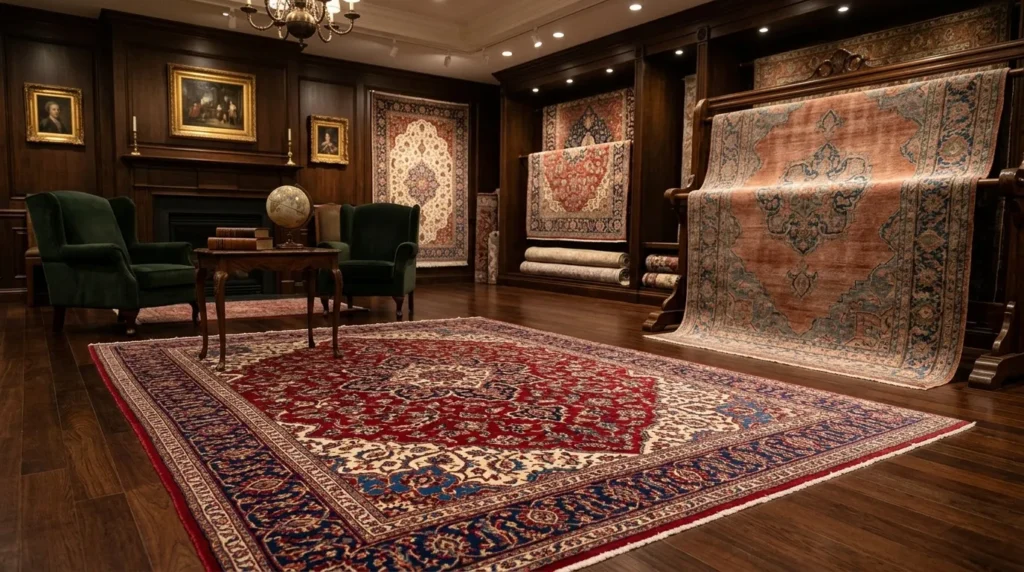
It may well be true that costly carpets are indeed worthy investments; however, they become worthy investments when one knows what he or she is really investing in, the duration of such investment, and what he or she expects from them.
Not all carpets are made equally, with price normally associated with the materials used, the quality of workmanship, and the longevity of the carpet rather than its outward appearance. While some carpets may appear identical to each other in terms of their looks, there are differences when it comes to their make-up.
What Makes a Carpet “Expensive”?
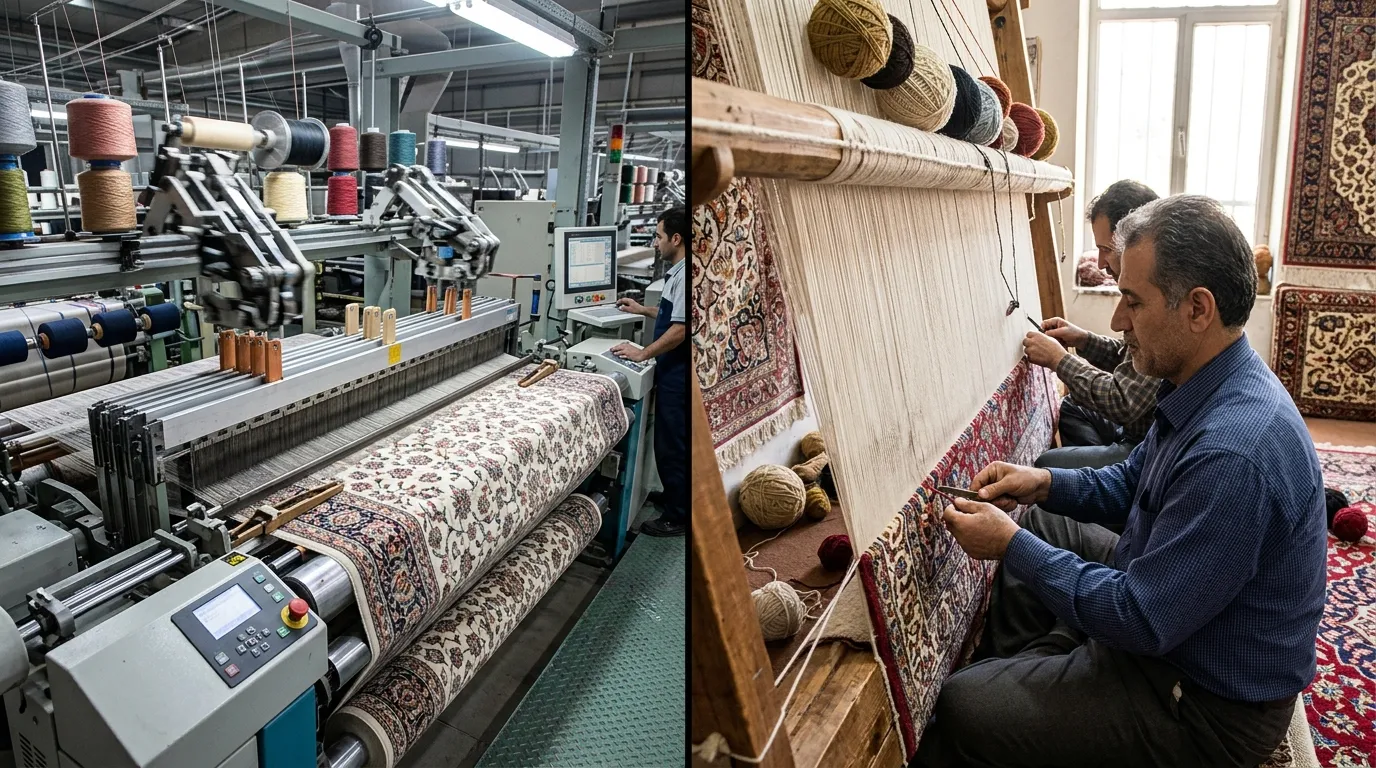
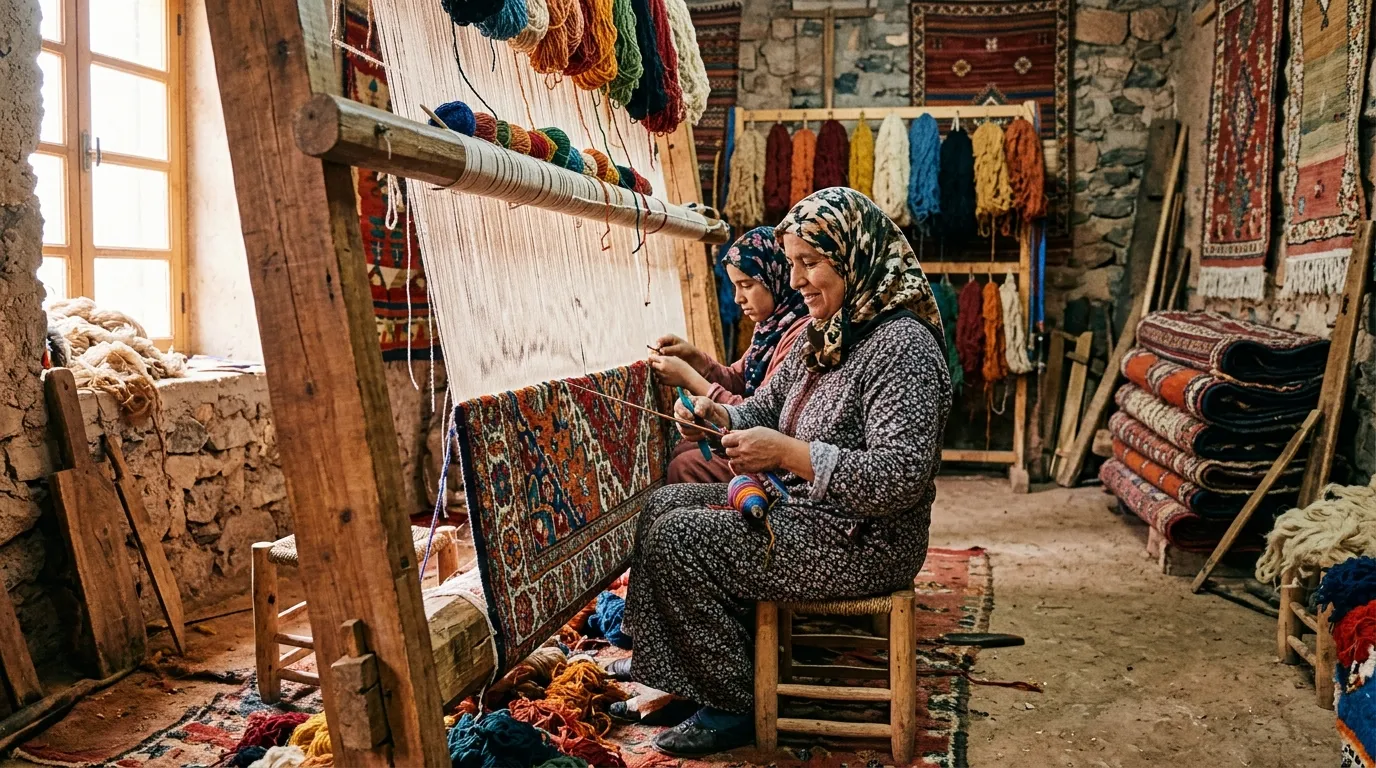
The reason behind making a carpet very expensive lies in the use of materials and techniques for its manufacturing. For example, natural fibers are always expensive than artificial fibers since they are tougher, softer and durable. The weaving technique is another important point. Carpet made through hand knotting may take months and even years, in which every knot would be individually tied by artisans.
The next important thing that makes a carpet expensive is density. Higher density means that the quantity of materials used will be higher in a particular area, thus, increasing durability. Designing is yet another aspect where an intricate design may cost more due to increased skill and efforts required for designing.
To sum up, expensive carpets have multiple factors to contribute.
Types of Expensive Carpets
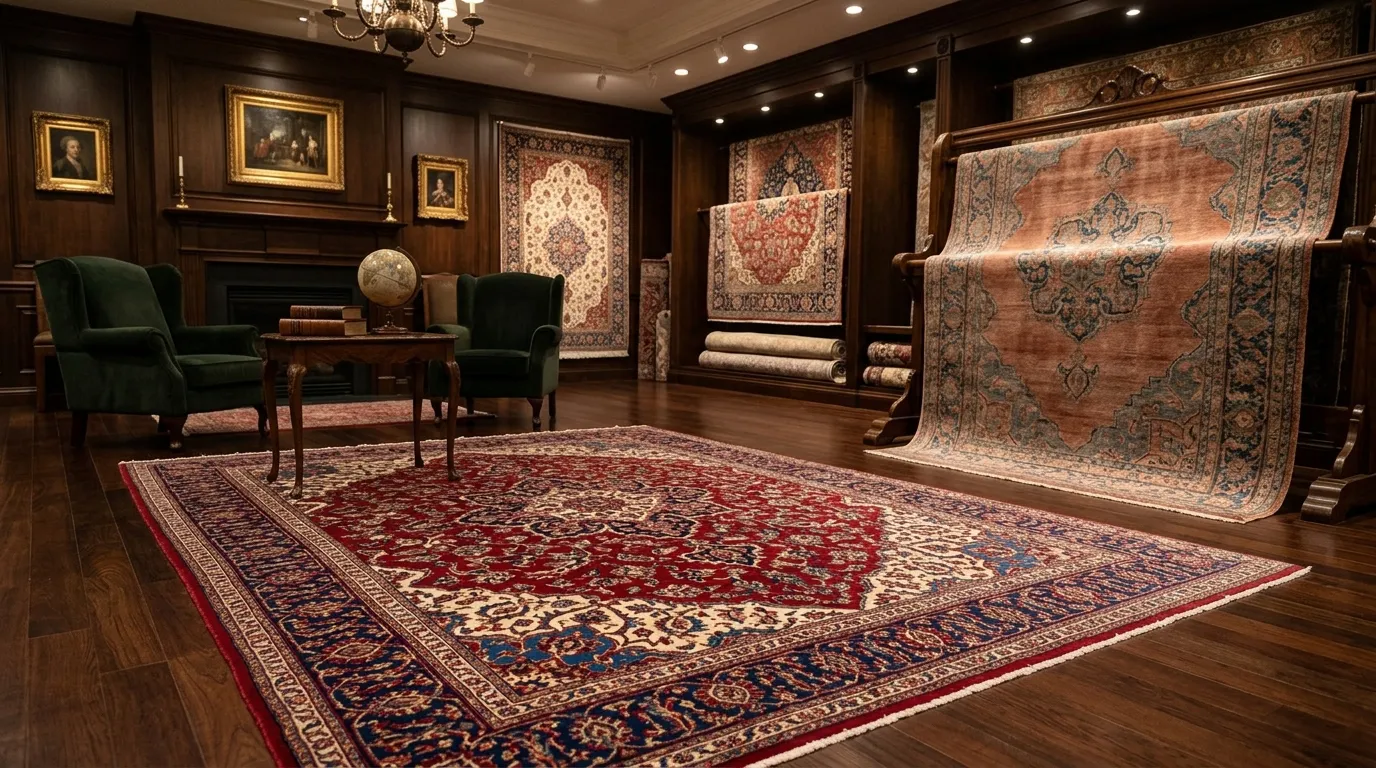
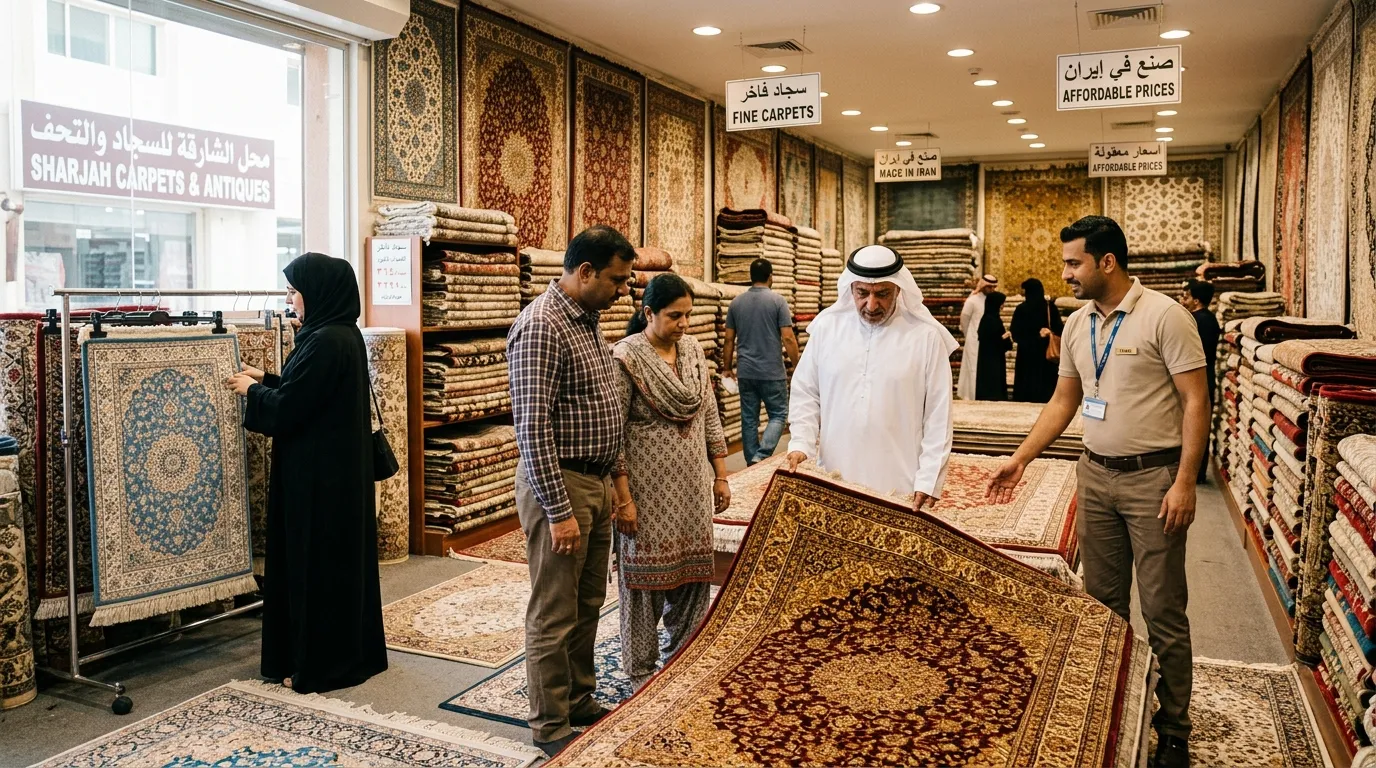
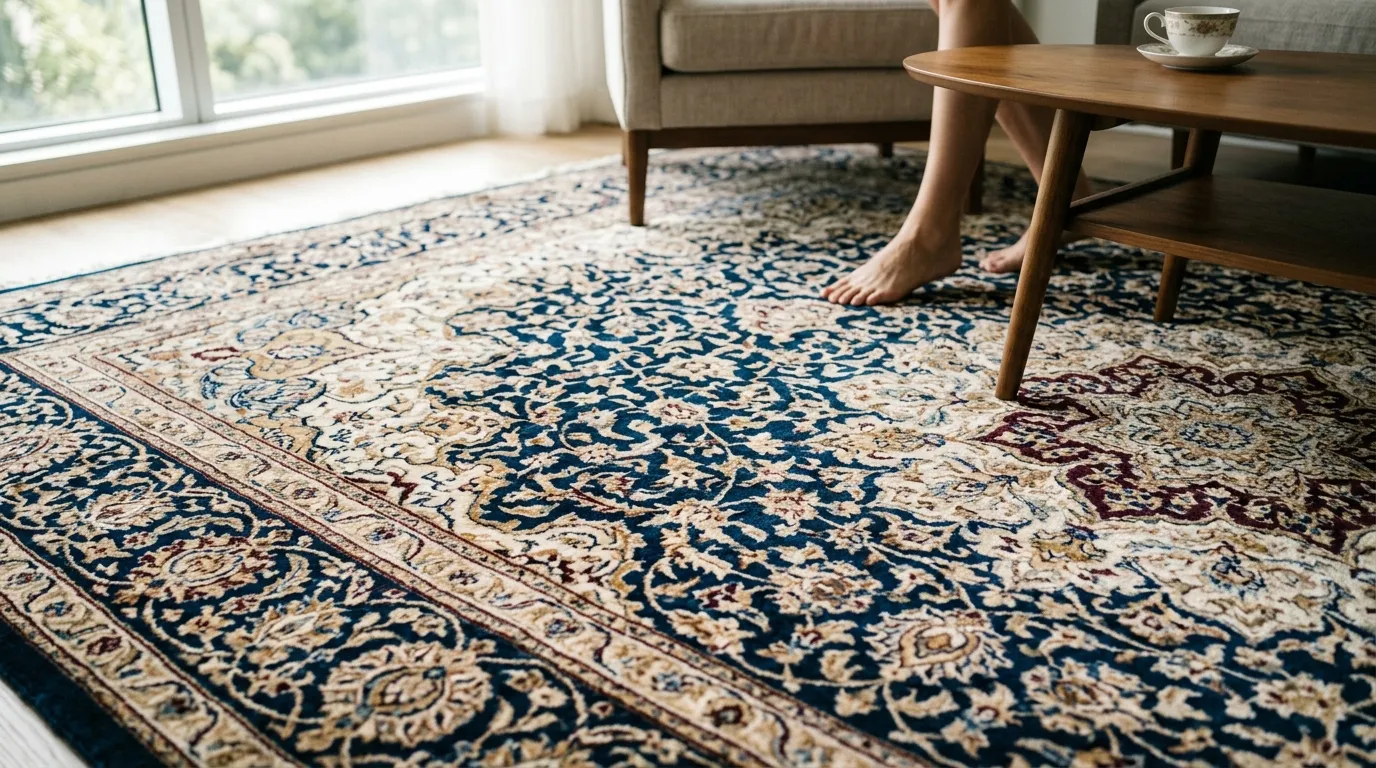
Expensive carpets generally belong to specific categories. Hand knotted carpets are considered to be at the pinnacle of luxury since they are entirely handmade, which can be a long process. One such type of carpet is the Persian carpet, which is very famous due to its intricate designs and cultural importance.
Another luxurious type of carpet is the silk carpet. As implied by its name, this type of carpet is composed of silk fibers and thus has an extremely smooth texture. Moreover, it has a natural sheen which adds to the overall effect of the carpet.
High quality natural wool carpets can also be classified as luxury carpets due to their durability and smoothness.
Benefits of Expensive Carpets
One of the most significant strengths of expensive carpets is longevity since they are constructed using high-quality materials, which make them durable enough to survive for decades if well-maintained. Their lifespan can be increased considerably by avoiding excessive use of such carpets, as this does not cause any significant damage to them.
Another key strength of expensive carpets is their comfort. Materials used to manufacture expensive carpets are natural fibers that have a luxurious texture compared to synthetic materials. Such materials make expensive carpets warmer due to good thermal properties.
Quality of design is also much higher for expensive carpets because they come in exclusive colors with deeper shades and intricate patterns. Many designs of expensive carpets cannot be found anywhere else.
Expensive carpets also have one of the best qualities in terms of value. Some of them appreciate with age and can become quite valuable.
Downsides You Should Know
One of the primary disadvantages of costly carpets is the expense factor. These carpets demand a larger amount of money initially than their cheaper counterparts, and this cost may not suit every individual.
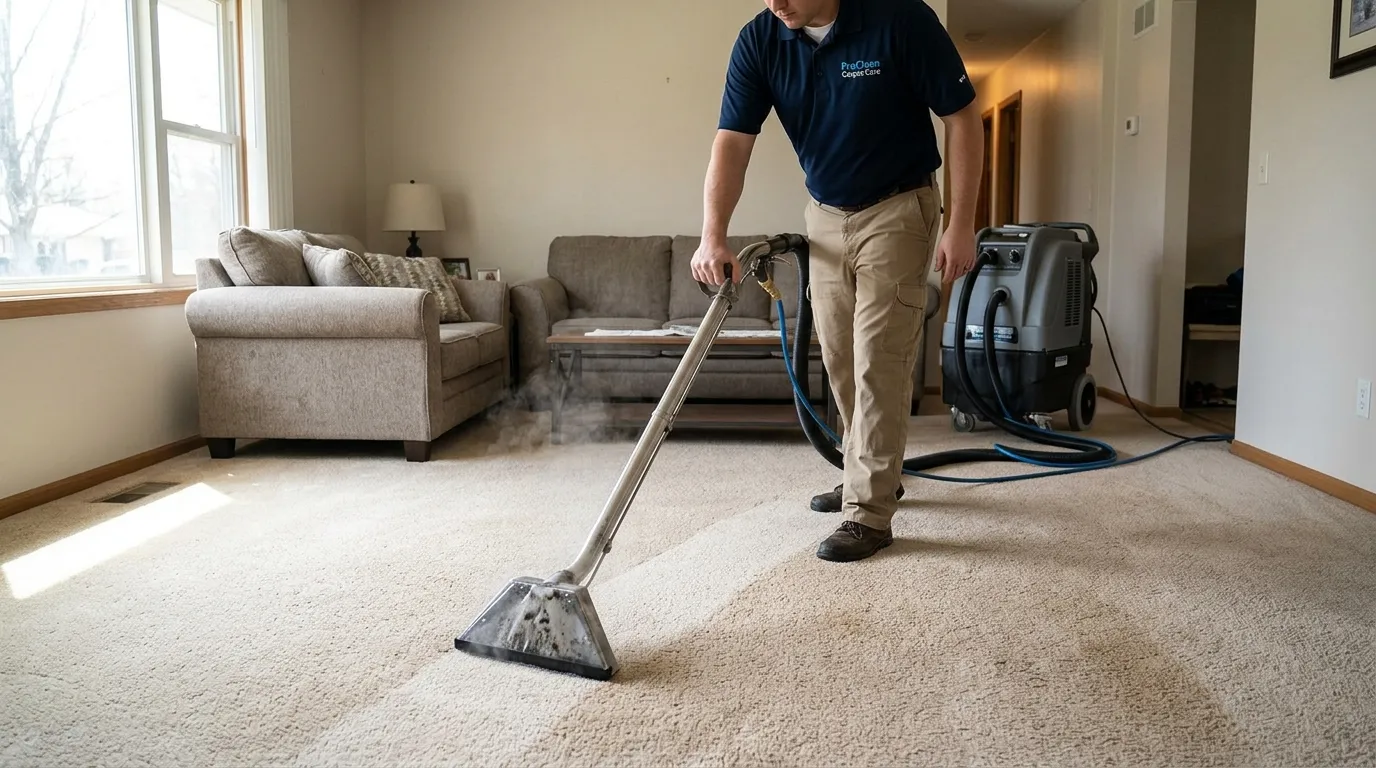
Furthermore, costly carpets may demand proper maintenance. For instance, silk carpets are very fragile and demand special treatment to retain their luster and texture. Similarly, even wool carpets demand professional treatment after some time.
Finally, costly carpets may not be appropriate for all locations. If you are planning to use a costly carpet in an area where it will have to endure constant wear and tear, then you should reconsider your decision.
Expensive vs Cheap Carpets (Side-by-Side Comparison)
High cost carpet and low-cost carpet have different uses. High cost carpets are made up of natural materials that have higher density and can be used for a long period. The carpets appear soft, luxurious, and durable.
On the other hand, low-cost carpets are made by machines through the use of synthetic materials. Such carpets are easy to maintain, inexpensive, and suitable for high traffic zones or short-term purposes, but their durability is limited.
In regards to cleaning, low-cost carpets are easy to clean compared to the high-cost ones.
So the real difference is not just price, it is long term value versus short term convenience.
How to Choose the Right Carpet?
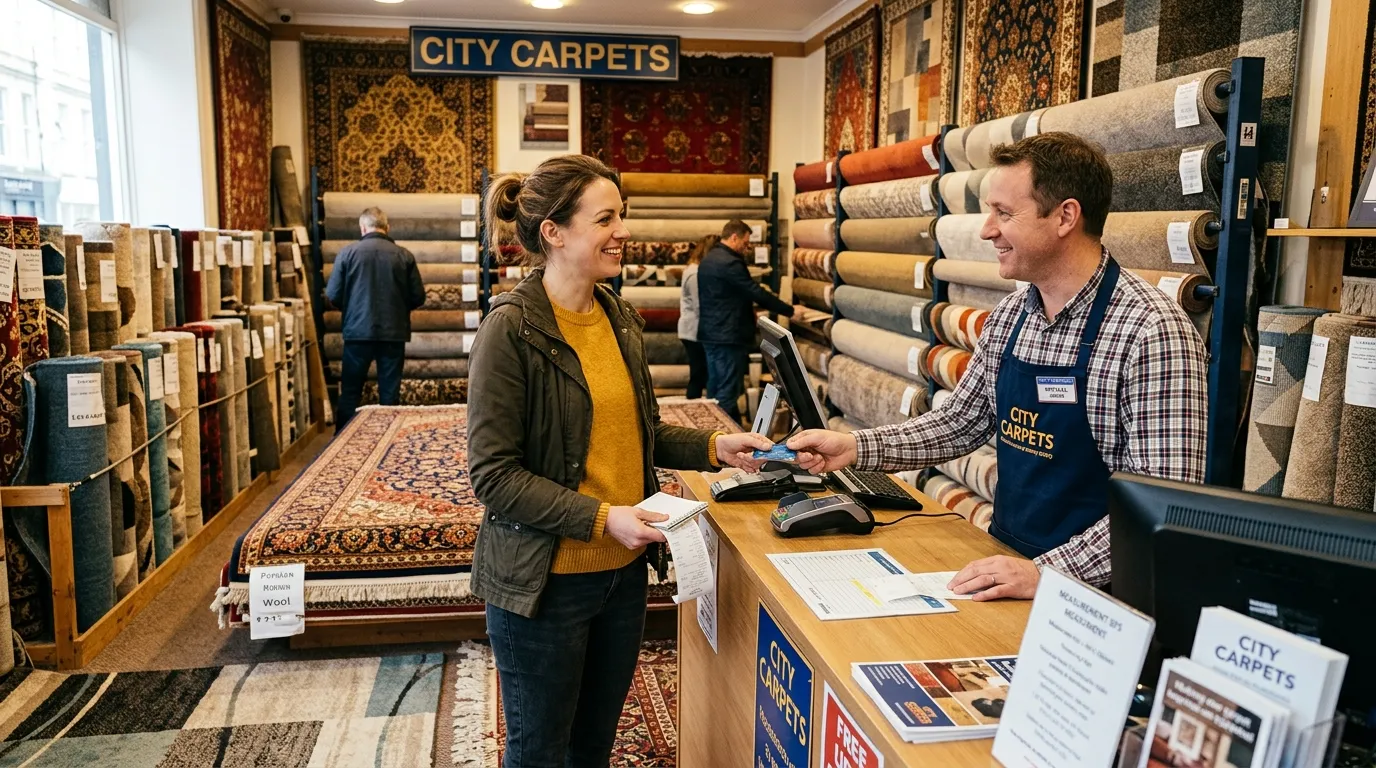
Choosing the right carpet depends on how you plan to use it. If you want something long lasting, visually rich, and comfortable, then investing in a high quality carpet makes sense. It works best for living rooms, formal areas, and spaces where design and comfort matter.
If you need something practical, budget friendly, and easy to replace, then a simpler machine made carpet is a better fit for high traffic areas or temporary use.
The key is balance. You do not always need the most expensive option, but you should choose based on usage, not just price or appearance. Material, durability, and maintenance should always be considered together.
Conclusion
Expensive carpets are worth the investment when you value durability, comfort, and long term design quality. They offer better materials, stronger craftsmanship, and a more refined look that can last for many years.
However, they are not always necessary for every space or every budget. The best choice depends on where the carpet will be used, how much maintenance you are comfortable with, and how long you expect it to last.
In the end, the smartest decision is not choosing the cheapest or the most expensive option, but choosing the carpet that fits your space, lifestyle, and long term needs in the most practical way.