
The most effective way to protect carpets from sun damage in Sharjah homes is to limit direct UV exposure, select fade-resistant materials, and maintain carpets with strategic placement, rotation, and professional cleaning.
Sharjah experiences intense sunlight throughout the year, with south and west-facing windows often exposing carpets to continuous UV rays.
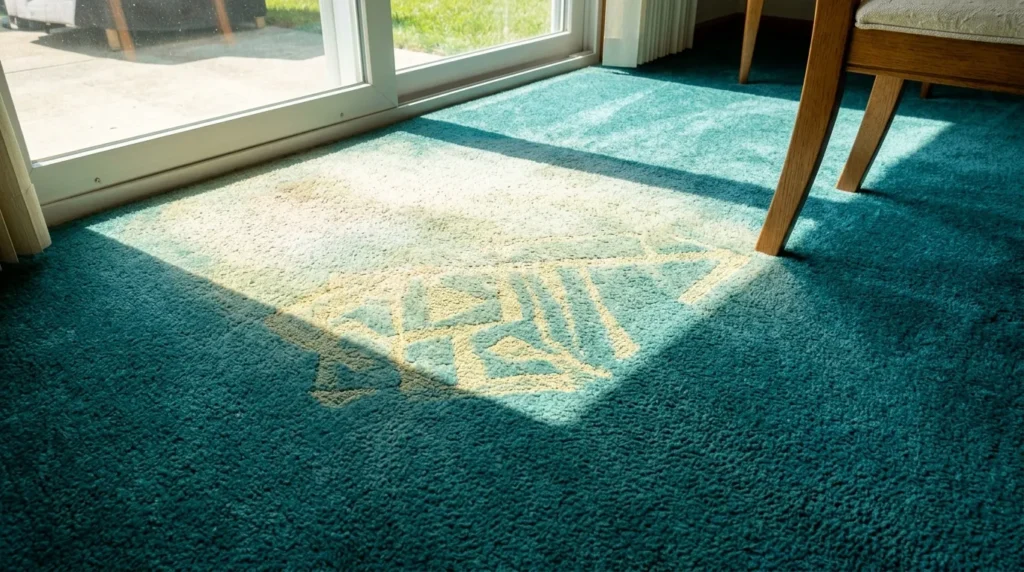
Prolonged exposure can cause color fading, fiber brittleness, and structural weakening, while heat and dust further accelerate wear and reduce carpet lifespan.
Understanding these risks and applying targeted solutions can preserve both the appearance and functional integrity of your carpets. In this article, we explain every practical step from window treatments to fiber selection and maintenance practices so you can maximize durability and maintain a vibrant, long-lasting interior.
Use Thick Curtains or Blackout Blinds
Thick curtains or blackout blinds act as a physical barrier that blocks direct sunlight.
Dense fabrics including thermal blackout or polyester cotton blends can absorb or reflect up to 95 percent of UV rays. Floor-to-ceiling installations prevent light from slipping under edges protecting carpet borders and adjacent flooring.
This method reduces fading, fiber brittleness, and heat accumulation on carpet surfaces. Layering sheer curtains with blackout options allows control over light intensity while maintaining privacy and interior brightness.
Install UV Window Film
UV window films filter harmful UVA and UVB radiation while allowing natural light to pass through.
High-quality films can block up to 99 percent of UV rays without significantly reducing visible light. Clear films maintain natural brightness while tinted films offer additional glare reduction.
Professional installation ensures uniform coverage, adhesion without bubbles, and long-term effectiveness. Films complement blinds or curtains offering round-the-clock protection even when window treatments are open.
Rearrange Furniture Regularly
Constant exposure to sunlight causes uneven fading and accelerated wear in specific carpet areas.
Shifting furniture periodically redistributes sunlight exposure preventing discoloration and fiber weakening in high-exposure zones. It also exposes previously hidden areas for cleaning or inspection.
Repositioning sofas, tables, and shelves every few months ensures that sun impact is uniform across the carpet which helps maintain overall aesthetics and fiber strength.
Use Area Rugs on High-Exposure Spots
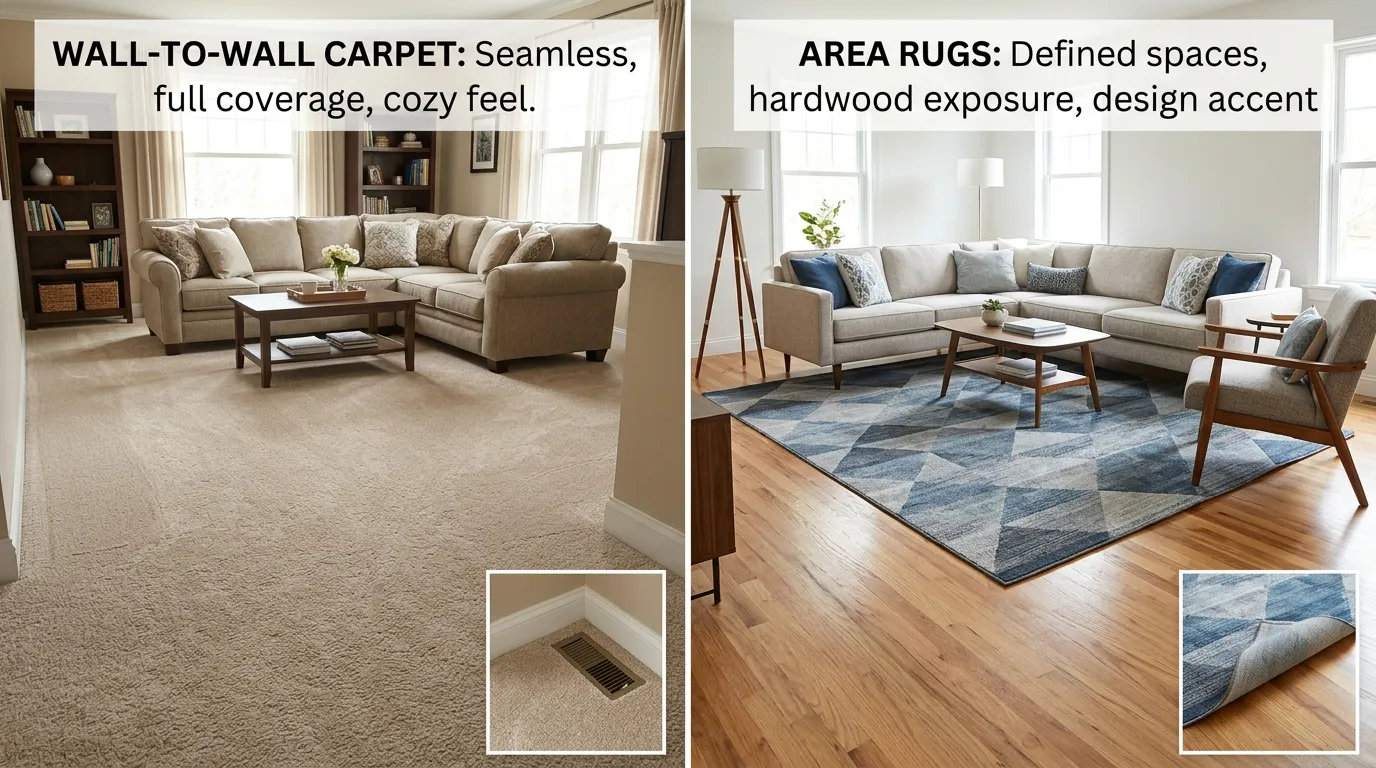
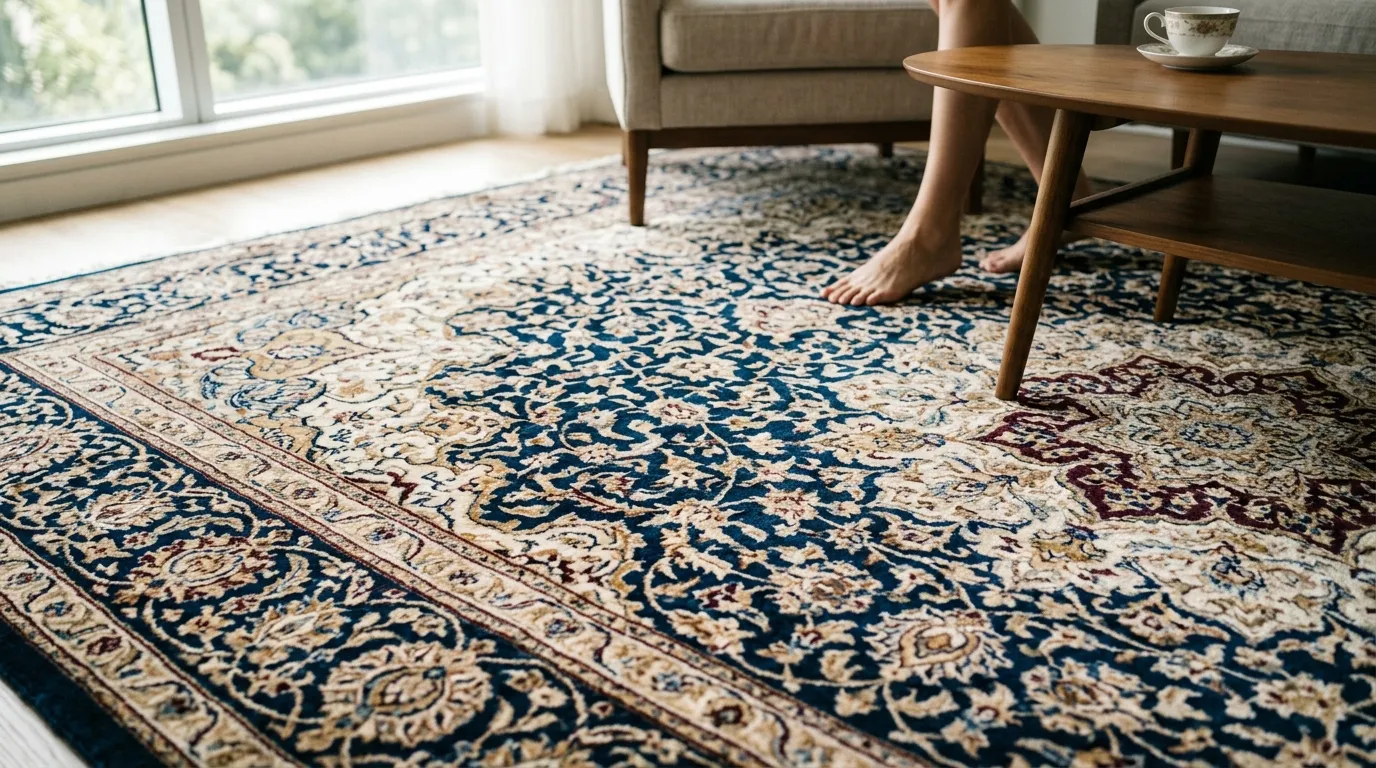
Overlaying area rugs on sections that receive direct sunlight provides an additional protective layer.
Low-pile dense rugs absorb UV rays and reduce color fading on the underlying carpet. Placement should focus on peak sunlight hours usually between 10 a.m. and 4 p.m. in areas near windows or glass doors.
Layered rugs or runners in hallways near entryways and under furniture further protect carpets from both UV exposure and foot traffic preventing fiber degradation and uneven wear.
Choose Fade-Resistant Carpet Materials
Selecting UV-stable fibers significantly reduces sun-related damage.
Solution-dyed nylon, polyester, and polypropylene resist fading better than natural fibers like wool, cotton, or silk. UV-treated fibers maintain color integrity and strength over time.
High-traffic rooms and areas with prolonged sunlight exposure benefit most from fade-resistant carpets reducing long-term maintenance needs and extending lifespan.
Rotate Rugs Every Few Months
Even fade-resistant carpets can develop uneven coloration over time.
Rotating large area rugs and runners every two to three months ensures that no section is continuously exposed to sunlight. This prevents concentrated fading and maintains uniform appearance.
Regular rotation complements other protective strategies balancing both aesthetic and functional longevity.
Schedule Professional Carpet Cleaning
Professional cleaning removes dirt, dust, and chemical residues that accelerate sun-related fiber breakdown.
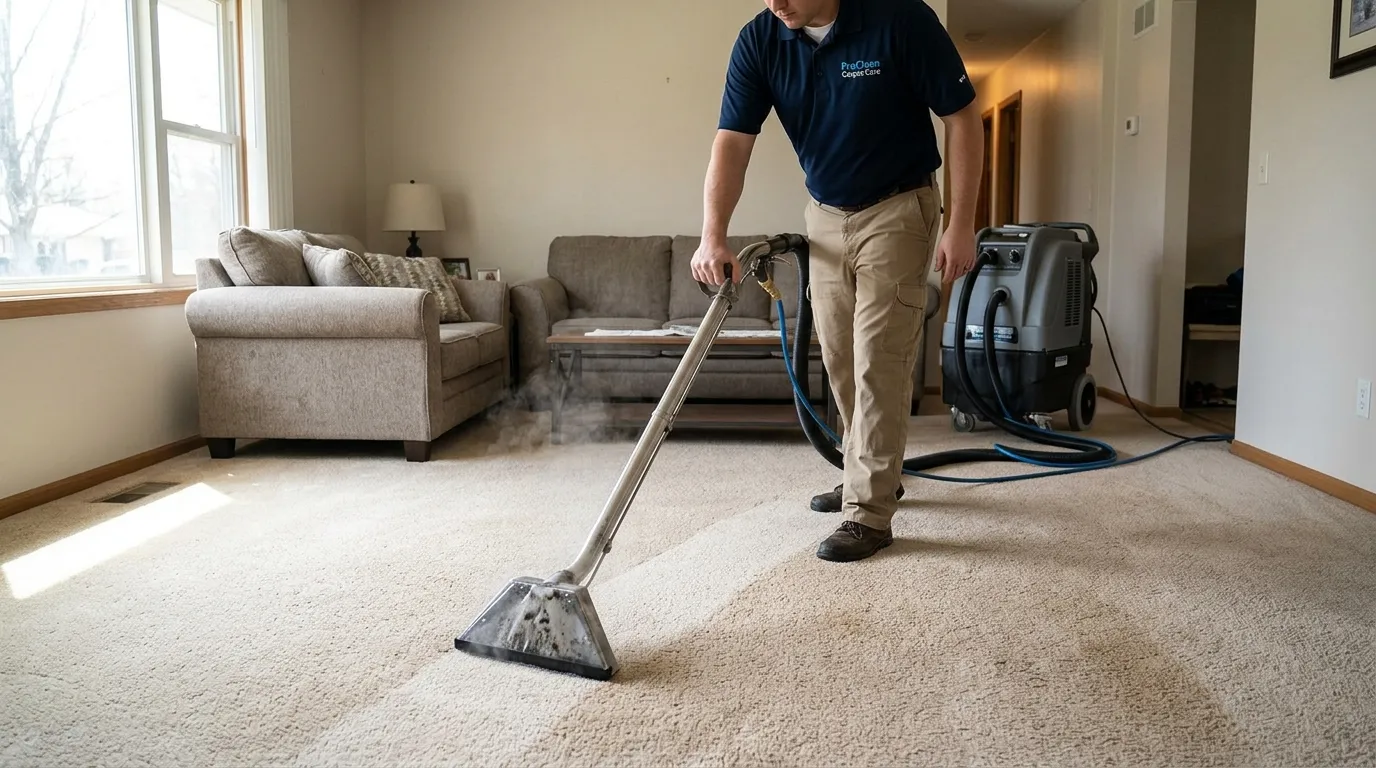
Methods such as hot water extraction, steam cleaning, or dry cleaning rejuvenate fibers, restore color vibrancy, and maintain structural integrity.
For carpets exposed to intense sunlight, scheduling professional cleaning every six to twelve months is recommended. This also prevents dirt particles from acting as abrasive agents that worsen UV damage.
Additional Technical Considerations
Maintaining indoor humidity between 40 percent and 60 percent can reduce fiber brittleness caused by heat and sunlight.
Use protective underlays or padding to absorb thermal fluctuations and reduce mechanical stress. Rugs placed in high-exposure zones should be low-pile or dense to prevent uneven compression and shadowing.
Monitoring carpets for early signs of color fading or fiber weakening allows timely intervention preventing permanent damage and reducing replacement costs.
Conclusion
Protecting carpets from sun damage in Sharjah requires a combination of physical barriers, technical solutions, material selection, and routine maintenance.
Thick curtains or blackout blinds, UV window films, strategic furniture rearrangement, area rugs, fade-resistant fibers, regular rug rotation, professional cleaning, and careful environmental control all work together to preserve carpet appearance and durability.
Implementing these strategies ensures that carpets remain vibrant, resilient, and structurally sound despite Sharjah’s intense sunlight protecting both your investment and the comfort of your home.
Also Read: How Much Does Carpet Repair Cost in Sharjah?