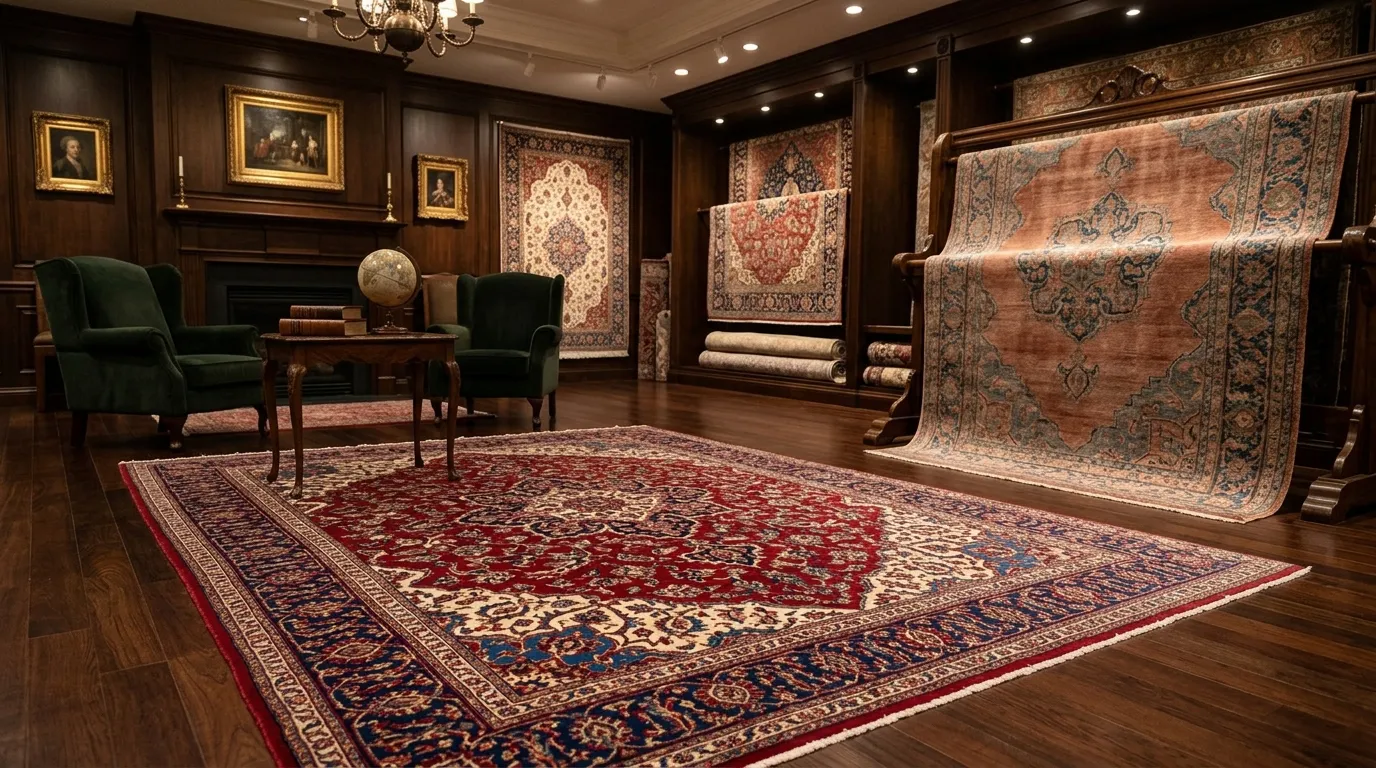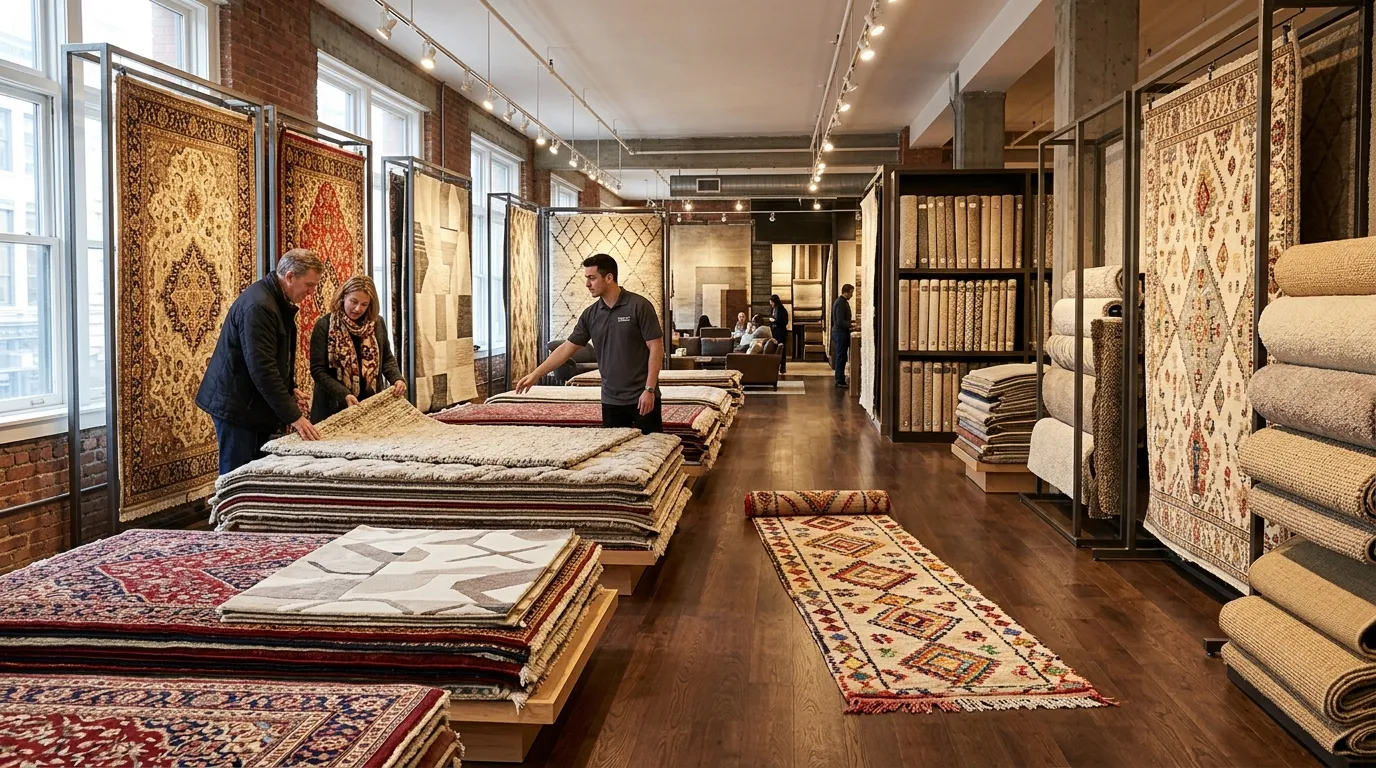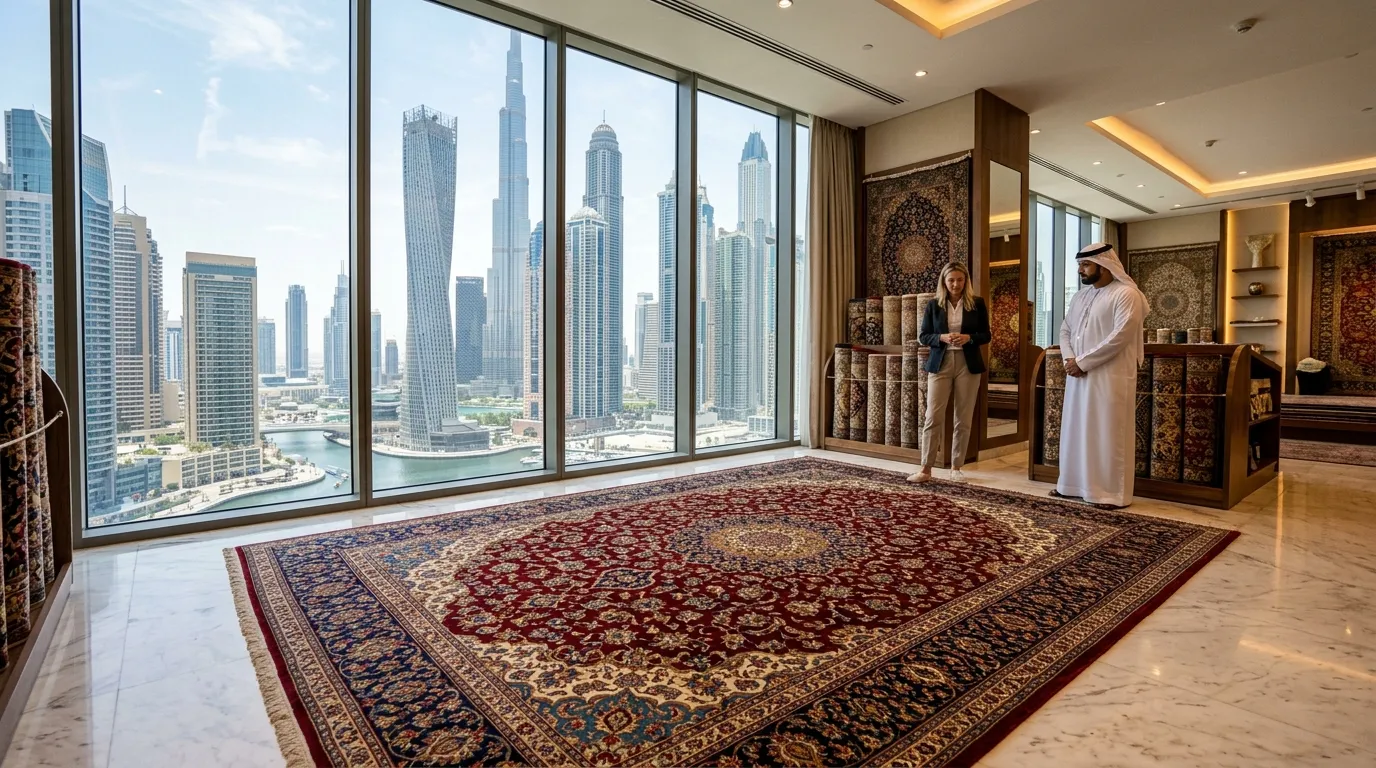

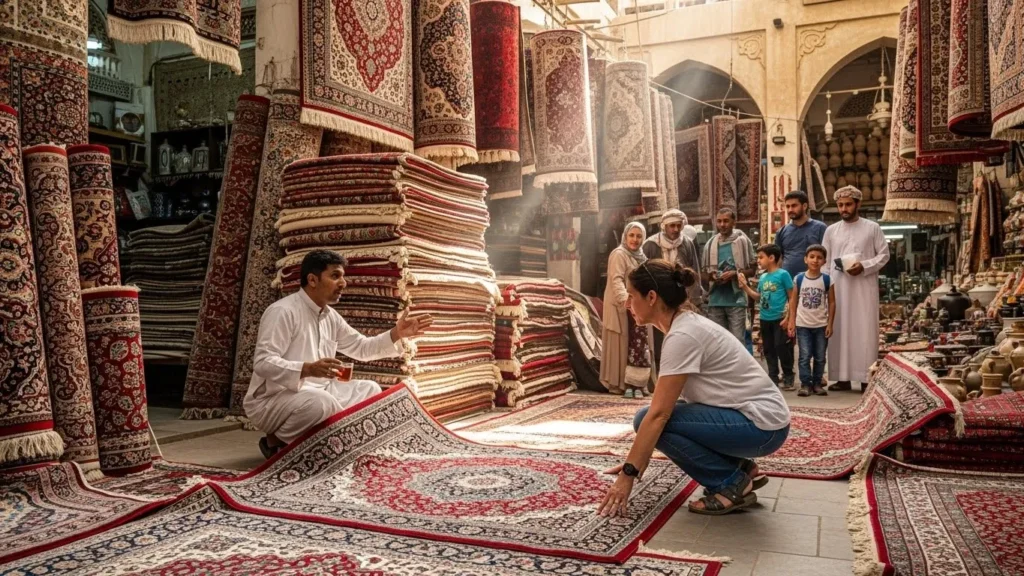
Buying carpets from a physical shop in Sharjah matters because carpet performance depends on material composition, weave density, pile height, backing structure, and color fastness, factors that cannot be accurately evaluated online.
Carpets are load-bearing interior surfaces that experience constant abrasion, compression, moisture exposure, and UV light, especially in Gulf climates.
In Sharjah homes, where temperature variation, dust levels, and foot traffic are high, selecting the wrong carpet specification leads to premature wear, fading, curling edges, or fiber breakdown.
Physical inspection allows buyers to verify these technical properties before purchase, reducing long-term cost and failure risk. Here are things to consider before buying a carpet in sharjah.
Touch & Feel Before You Buy
Carpet comfort and durability are directly linked to fiber type, twist level, and pile density. Wool fibers feel elastic and recover well under compression, while polypropylene feels lighter but flattens faster. Nylon offers high abrasion resistance but varies widely by grade and heat-setting process.
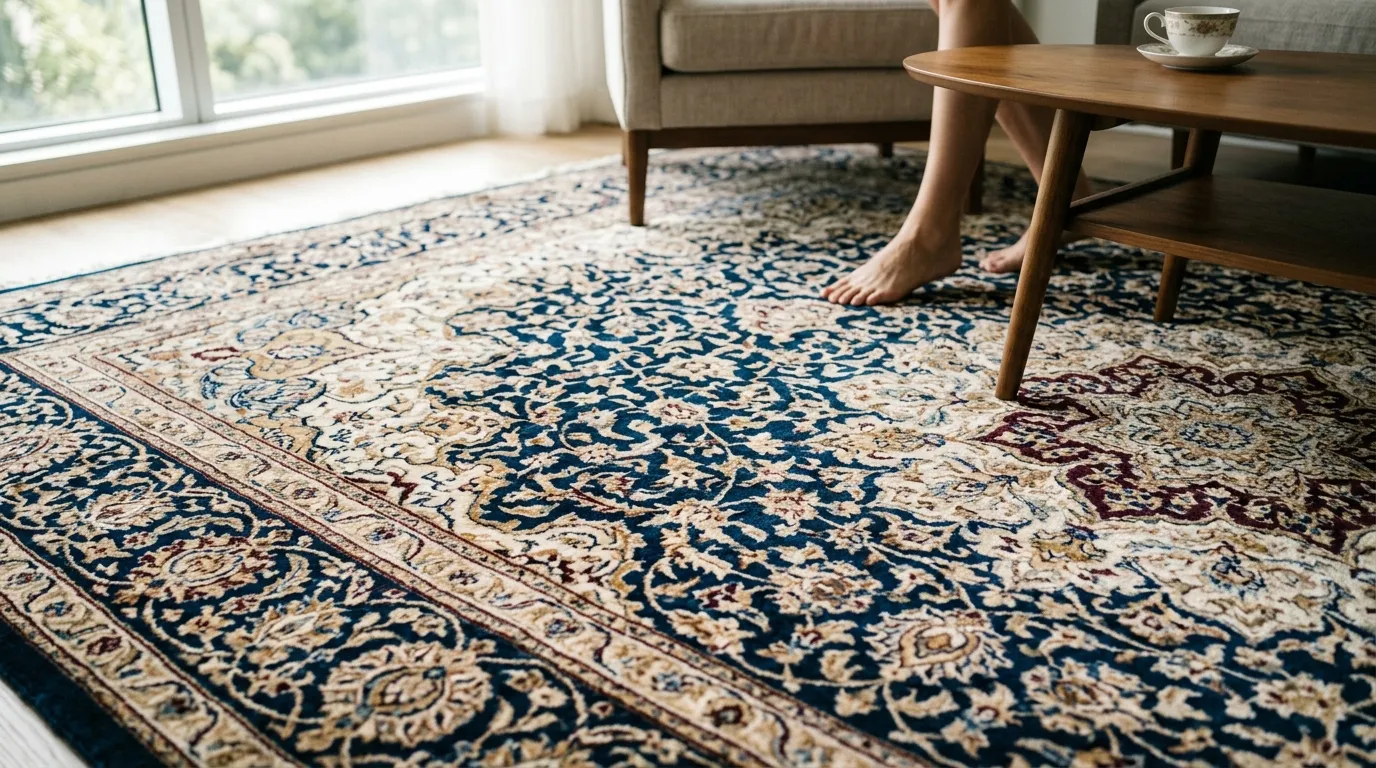
In a physical shop, buyers can compress the pile with their fingers or feet to check rebound speed, which indicates resilience. They can also feel fiber coarseness, which affects friction, linting, and comfort in barefoot use. These tactile properties cannot be inferred reliably from product descriptions.
Accurate Color Matching
Carpet color behavior depends on dye method, fiber absorption rate, and pile direction. Solution-dyed fibers resist fading better than piece-dyed fibers, especially in sun-exposed rooms common in Sharjah apartments and villas.
Viewing carpets in-store allows buyers to examine color under different lighting angles and observe shading caused by pile orientation. This prevents mismatches where a carpet looks uniform online but shows visible light-dark tracking marks once installed.
Expert Guidance & Personalized Service
Experienced carpet sellers can explain technical differences such as knot density per square meter, backing composition, and edge binding methods. These factors determine carpet lifespan, edge stability, and resistance to fraying.
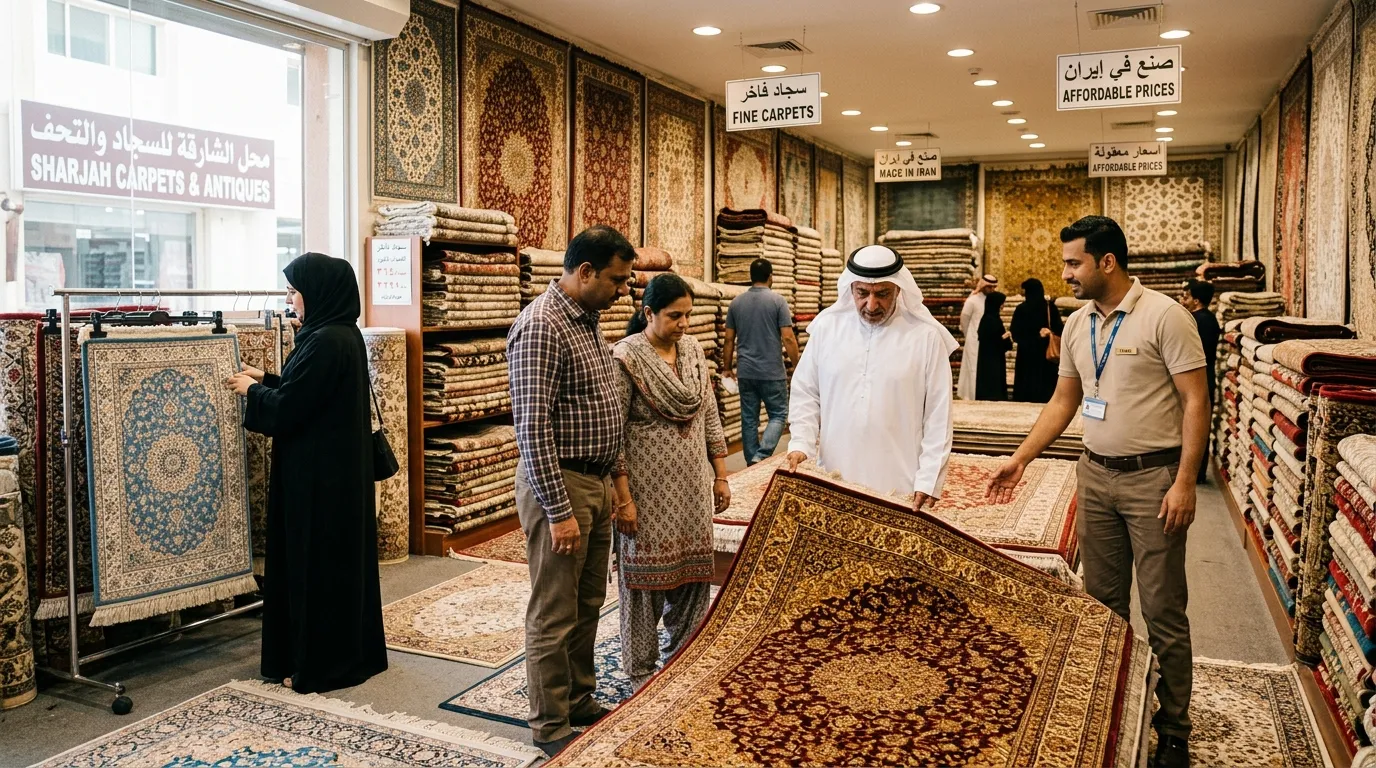
In Sharjah, many shops specialize in regional carpet types such as Persian, Afghan, Turkish, and modern machine-made carpets. Staff can recommend materials based on humidity tolerance, cleaning frequency, and foot traffic load, which directly impacts performance.
Immediate Visual Comparison
Side-by-side comparison allows evaluation of pile height consistency, pattern alignment, and manufacturing precision. This is critical for patterned carpets where misaligned motifs indicate lower-quality weaving or printing.
Buyers can also compare weight-to-size ratio, which correlates with yarn density and backing thickness. Online listings rarely provide accurate GSM (grams per square meter) or knot density data.
Custom Orders & On-Spot Adjustments
Physical shops often offer custom sizing, border adjustments, and edge finishing options such as whipping, binding, or serging. These technical finishes affect edge durability and prevent curling or unraveling over time.
Some shops also adjust carpet thickness by underlay pairing, which influences insulation, acoustic absorption, and walking comfort. These options require physical measurement and cannot be handled effectively through online platforms.
Instant Gratification
Immediate pickup avoids folding stress, moisture exposure during shipping, and deformation caused by long transit times. Carpets that remain folded too long develop permanent creases that affect pile alignment.
Buying in-store ensures the carpet remains flat, properly rolled, and stored correctly before installation.
Trust & Transparency
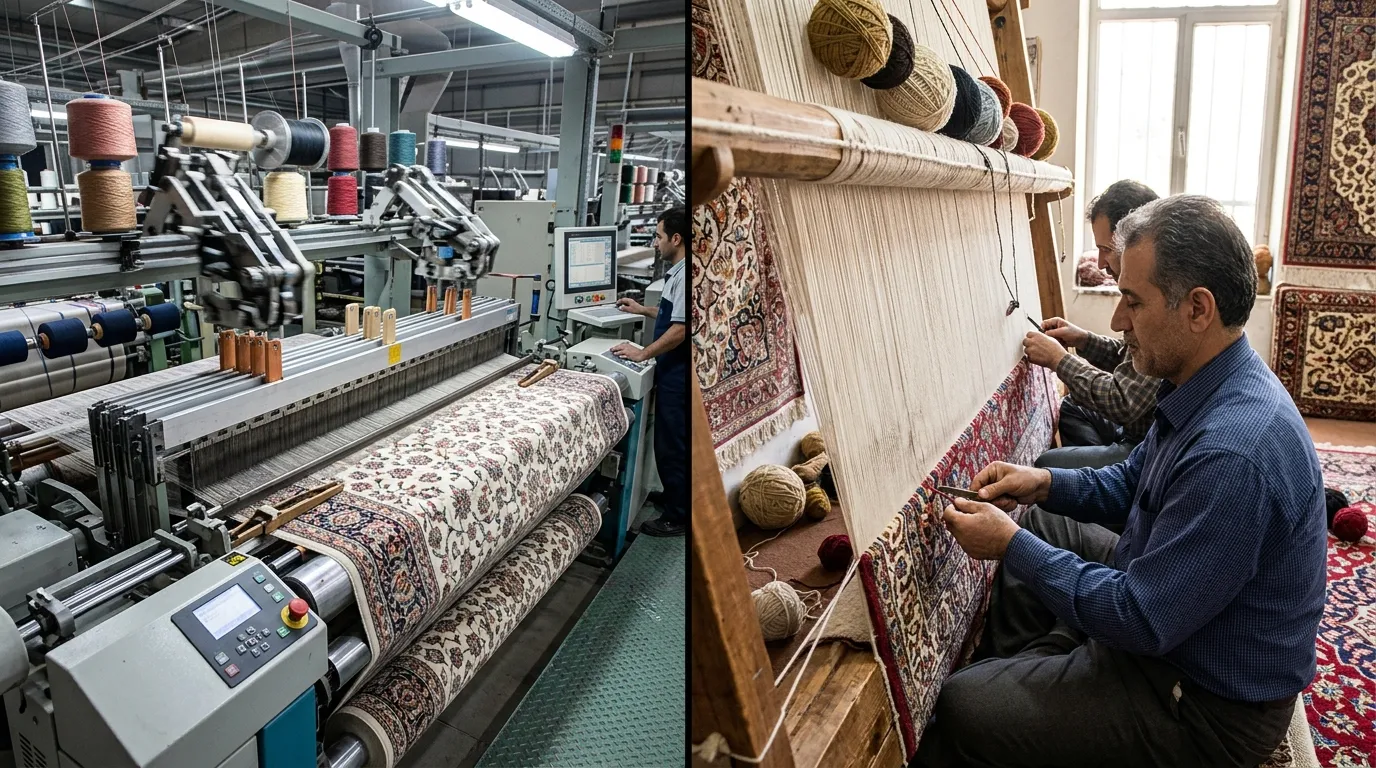
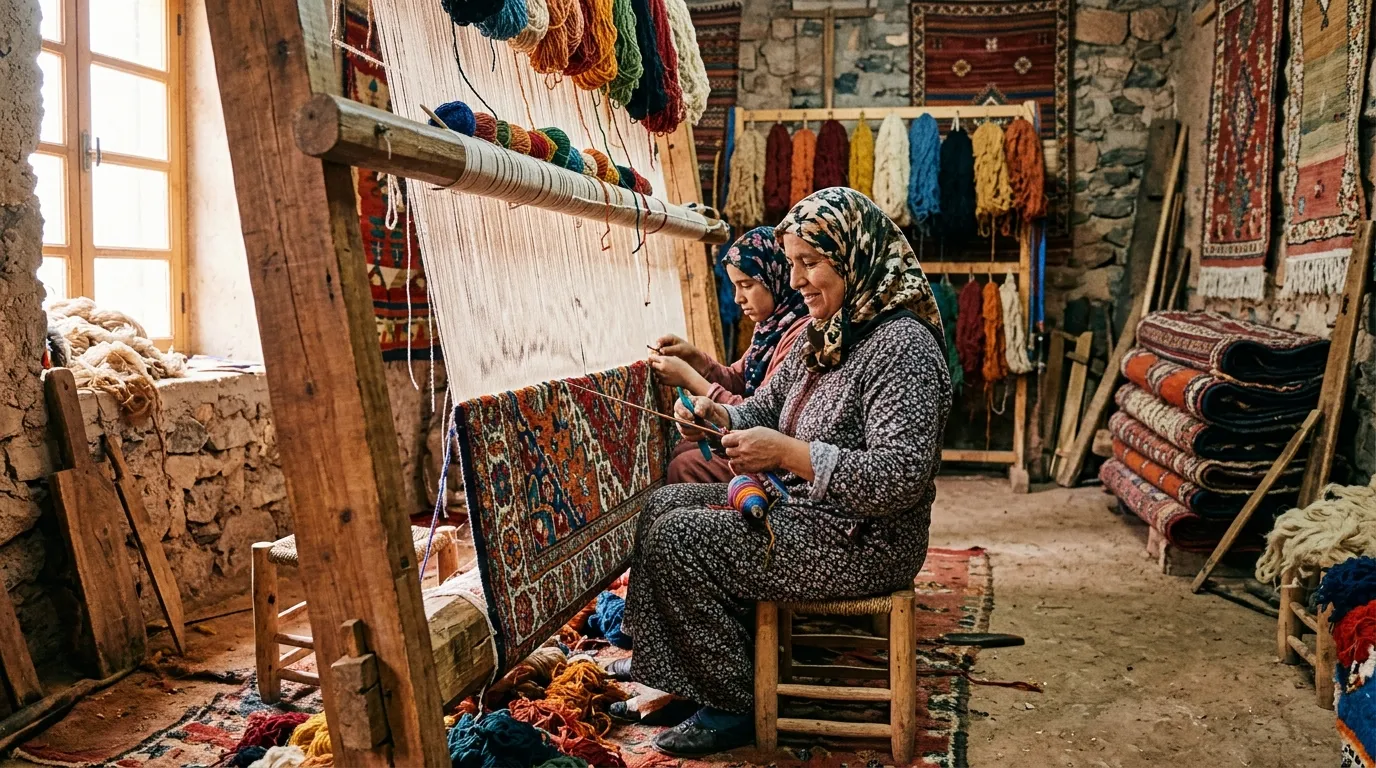
Physical shops allow verification of origin labels, material certificates, and manufacturing details such as hand-knotted versus machine-made construction. This transparency reduces the risk of mislabeling, which is common in online carpet sales.
Buyers can inspect the reverse side of the carpet to confirm knot structure, backing quality, and stitching accuracy.
Local Warranty & After-Sales Support
Local shops provide warranties covering dye bleeding, edge unraveling, and manufacturing defects. They also offer cleaning guidance specific to fiber type, such as dry cleaning for silk or low-moisture cleaning for wool.
After-sales services may include repair, re-binding, or resizing, which extends carpet lifespan significantly.
Feel the Weight & Durability
Carpet weight reflects yarn volume, backing thickness, and weave density. Heavier carpets generally provide better sound insulation, thermal retention, and wear resistance.
Handling the carpet allows buyers to assess structural stiffness, which affects how well the carpet stays in place and resists wrinkling under furniture.
Chance to Negotiate
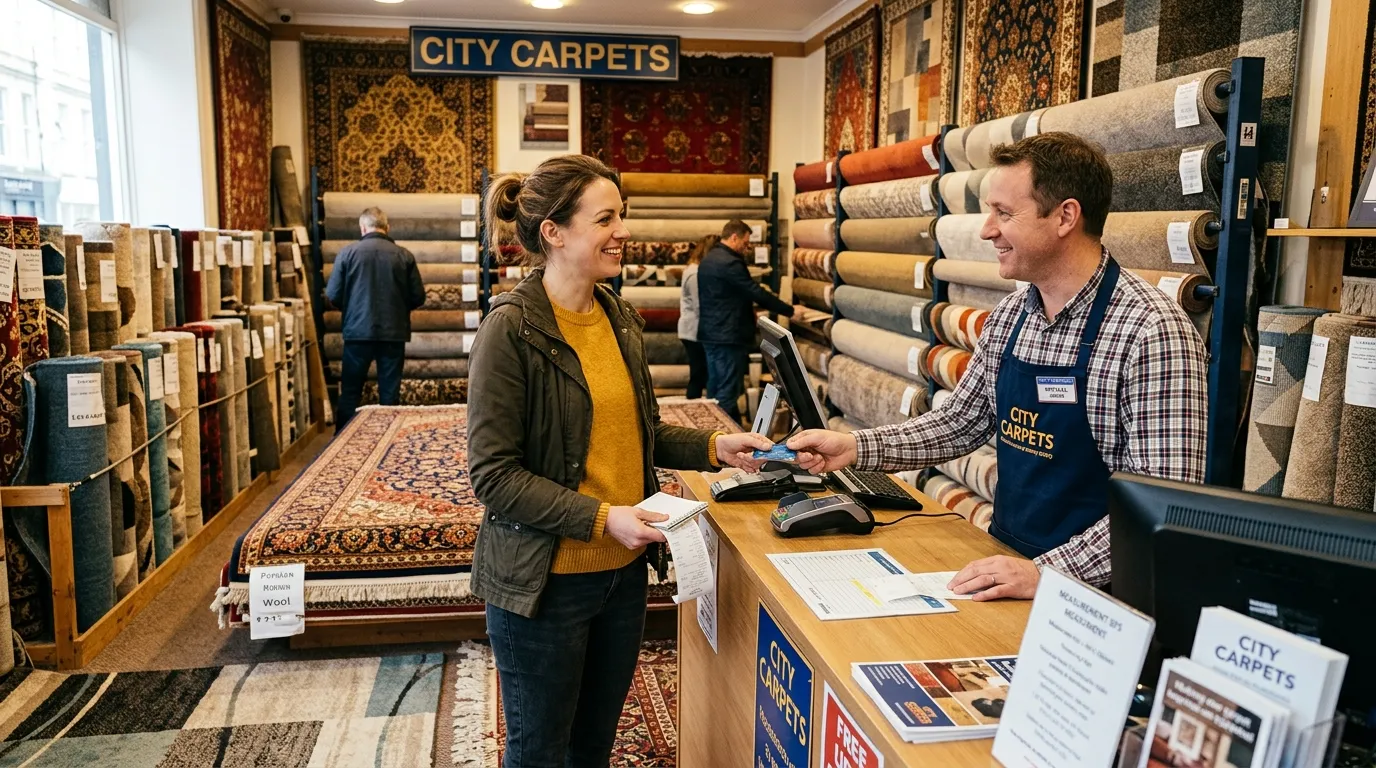
Carpet pricing is influenced by material cost, origin, and craftsmanship rather than fixed retail margins. Physical shops often adjust prices based on quantity, payment method, or custom work.
Negotiation can also include added services such as free edging, underlay, or delivery, improving overall value without reducing quality.
Conclusion
Buying carpets from a physical shop in Sharjah matters because carpets are technical interior products whose performance depends on measurable physical properties that cannot be verified online. In-person inspection ensures correct material selection, accurate color matching, structural integrity, and long-term durability.
For homes exposed to heat, dust, and heavy use, physically evaluating carpets is not a preference, it is a practical requirement for avoiding failure, replacement costs, and dissatisfaction.