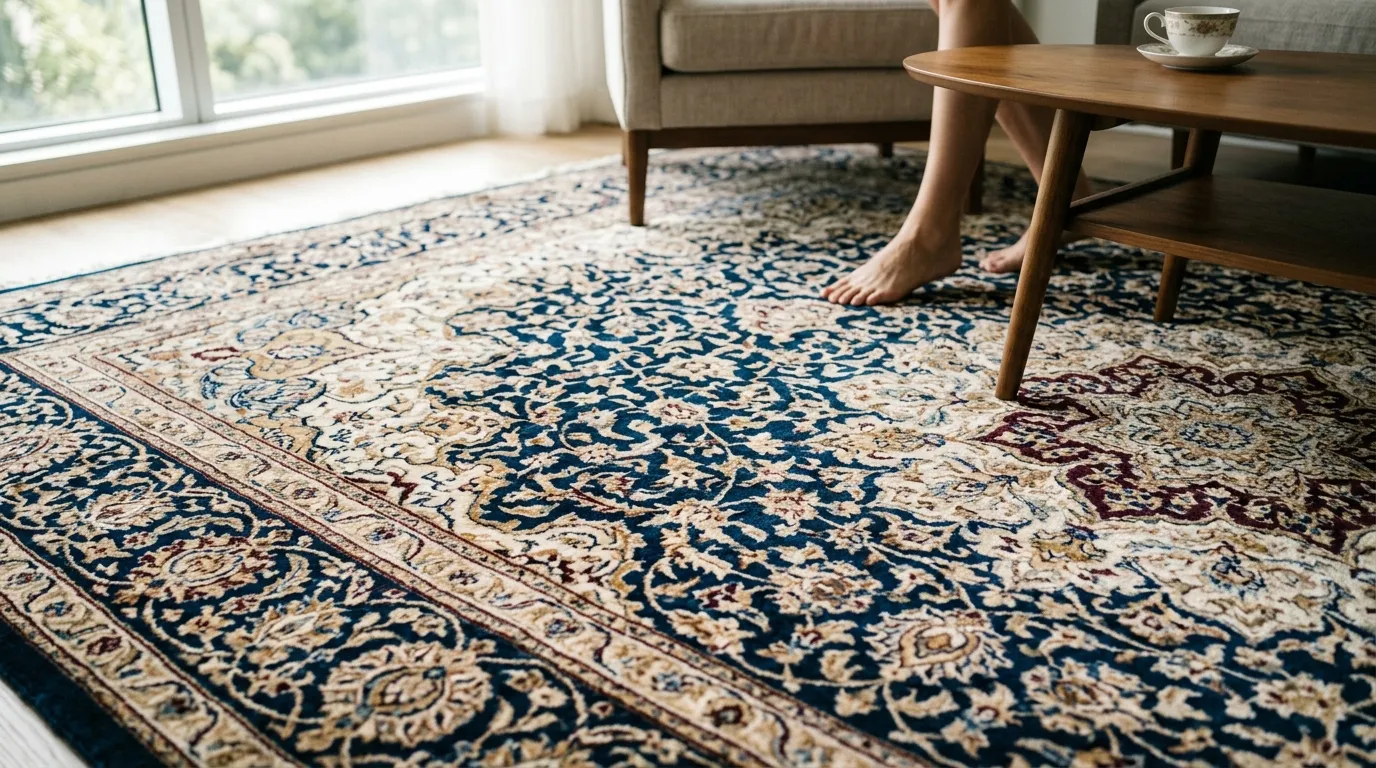

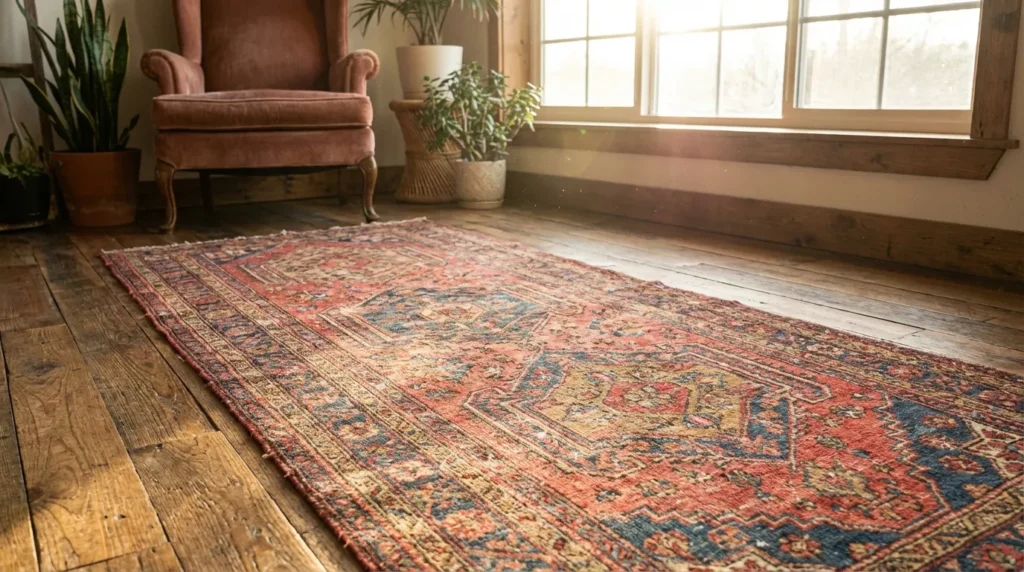
The best carpet cleaning methods for wool, silk, and synthetic carpets depend on fiber type, pile density, and sensitivity to moisture, heat, and chemicals.
Using the wrong cleaning technique can lead to color fading, shrinking, fiber distortion, pile flattening, or even mold and mildew growth.
In this article, we provide detailed, step-by-step guidance for each carpet type, including professional and at-home techniques, preventative measures, and practices to avoid, so you can maintain carpet longevity, appearance, and structural integrity.
Wool Carpets
Wool carpets are naturally durable, stain-resistant, and flame-retardant, but they are sensitive to alkalinity, high heat, and excessive moisture. They have an elastic structure that allows pile recovery, which can be damaged if treated improperly.
Best Methods
Begin with thorough vacuuming using a suction-only or rotating brush vacuum with low agitation. This removes loose dirt, grit, and dust that can abrade fibers during cleaning.
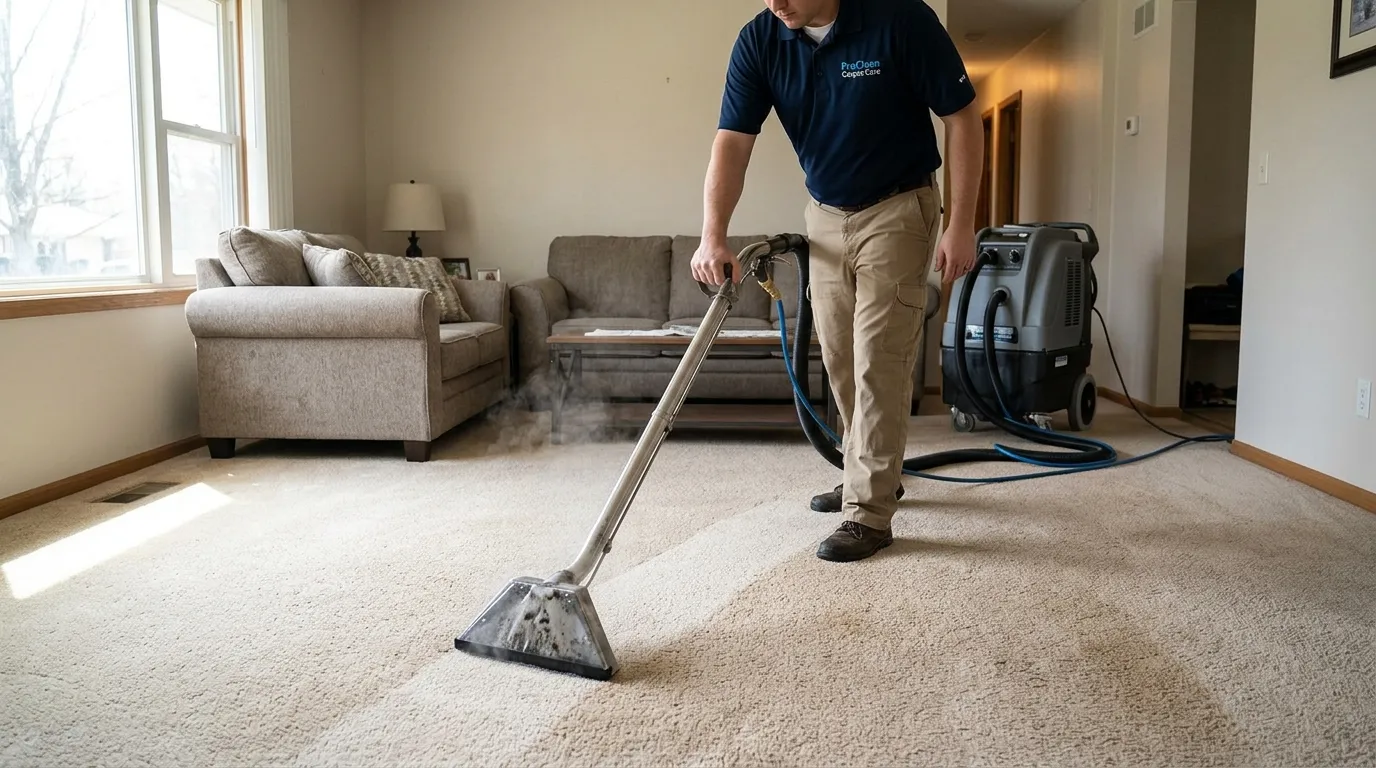
For deeper cleaning, low-moisture methods such as dry compound cleaning or bonnet cleaning are recommended. Hot water extraction can be used only with water temperatures below 40 degrees Celsius and with a neutral pH detergent formulated for wool. Excessive water or heat can shrink or felt the fibers.
Spot cleaning should involve blotting spills with a white microfiber cloth, avoiding rubbing. Use enzyme-based or wool-safe stain removers for organic stains like food, coffee, or pet accidents. Always test cleaners on an inconspicuous area first.
Professional low-moisture or controlled hot water extraction every six to twelve months helps maintain texture and pile resilience. Protect wool carpets from direct sunlight to prevent fading.
Avoid
Avoid bleach, high-alkaline detergents, and hot water above 40 degrees Celsius. Do not scrub aggressively as this can damage the nap and cause felting. Over-wetting can lead to mildew, mold, or structural fiber damage. Avoid steam cleaning at high temperatures and do not leave carpets damp for prolonged periods.
Silk Carpets
Silk carpets are highly delicate with a natural sheen. They are prone to color bleeding, pile crushing, and fiber weakening if exposed to water, heat, or harsh chemicals.
Best Methods
Use low-moisture or dry cleaning techniques exclusively. Vacuum gently with a soft brush attachment to remove surface dust without damaging fibers. Blot spills immediately with a clean white microfiber cloth and apply pH-neutral silk-safe cleaning solutions.
Professional cleaning is recommended for all silk carpets, using low-temperature steam, solvent-based methods, or gentle hand cleaning.
Maintain moderate indoor humidity to prevent brittleness and avoid prolonged exposure to sunlight, which can fade colors and weaken fibers.
Avoid
Do not use hot water, high-alkaline detergents, bleach, or strong scrubbing tools. Avoid high-pressure steam or deep wet extraction that can shrink, distort, or crush silk fibers. Excess moisture may cause permanent damage, including color migration and fiber weakening.
Synthetic Carpets
Synthetic carpets, including nylon, polyester, and polypropylene, are more resilient than natural fibers. They resist staining, handle higher water temperatures, and tolerate frequent cleaning, but improper methods can still lead to fiber melting, discoloration, or fraying.
Best Methods
Regular vacuuming is essential to remove dirt, grit, and dust that can abrade fibers. Hot water extraction at temperatures up to 60 degrees Celsius with mild, neutral cleaners is safe for most synthetic carpets.
Dry powder, foam cleaning, and low-moisture cleaning methods work well for short and medium-pile synthetic carpets. Spot cleaning for stains can include gentle scrubbing with a soft brush, but avoid excessive mechanical agitation on high-pile synthetics.
Synthetic carpets withstand frequent professional cleaning without shrinkage, but overuse of heat or strong chemicals can still damage fibers. Proper drying after cleaning prevents mold or mildew buildup.
Avoid
Do not use chlorine bleach or extremely hot water above the manufacturer’s recommended temperature. Avoid strong alkaline cleaners or harsh scrubbing that can cause fraying or discoloration.
Direct contact with high-temperature steam can melt fibers, particularly polyester. Avoid leaving synthetic carpets wet for extended periods.
Additional Technical Tips
Always vacuum before any cleaning to remove abrasive particles. For natural fibers, use neutral pH, enzyme-safe detergents. Monitor humidity and temperature during cleaning to prevent fiber distortion or shrinkage. Always blot stains rather than scrub to maintain pile integrity.
Test cleaning solutions on a hidden area to prevent color damage. Use proper underlay or padding to reduce mechanical stress and extend fiber life.
Conclusion
Effective carpet cleaning requires a fiber-specific approach. Wool needs gentle low-moisture cleaning, neutral detergents, and temperature control.
Silk requires extremely delicate handling, minimal moisture, and professional-grade cleaning. Synthetic carpets are durable but must be cleaned with controlled heat, safe detergents, and proper mechanical care.
Following these detailed methods preserves color, texture, and fiber integrity, ensuring carpets remain visually appealing, structurally sound, and comfortable for daily use. Proper cleaning practices extend carpet lifespan and protect your investment over the long term.
Also Read: How to Protect Carpets from Sun Damage?