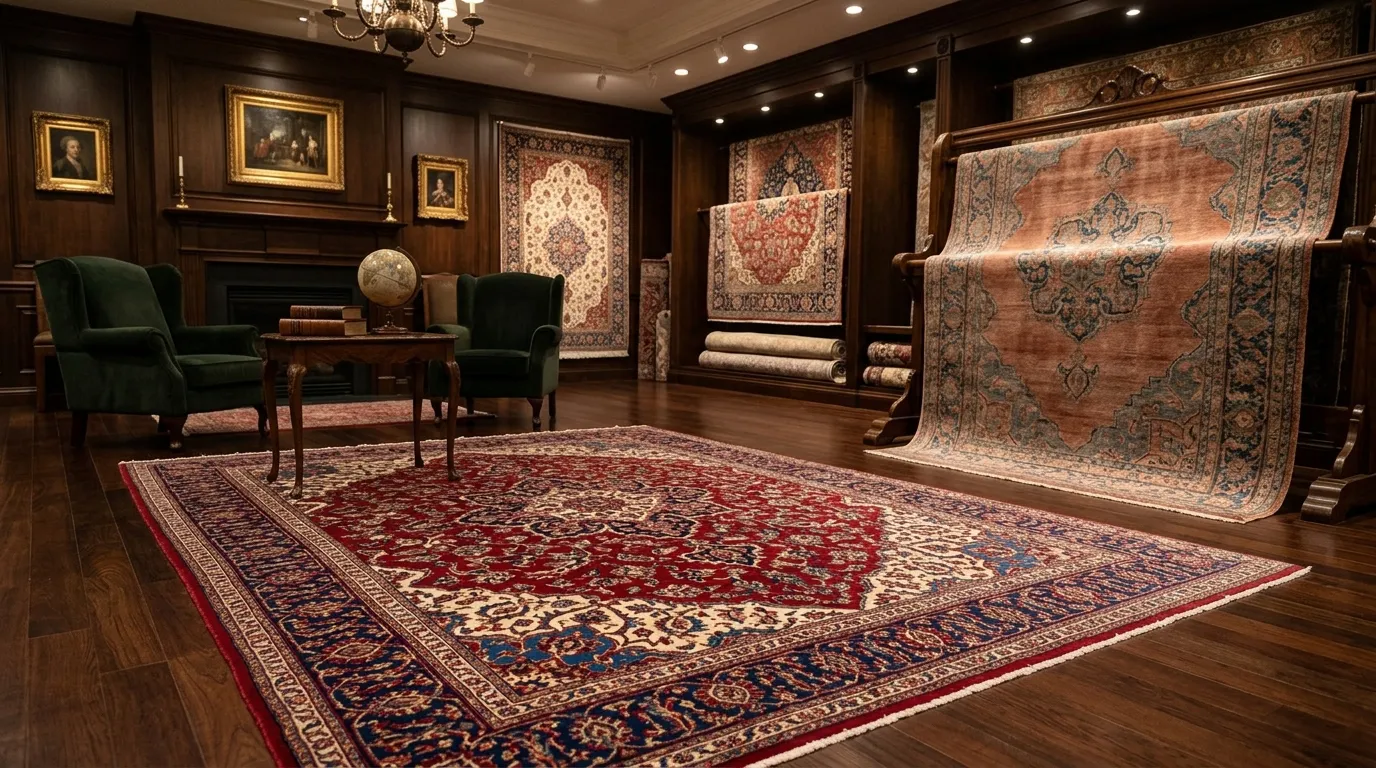

Buying Persian carpets in Dubai requires understanding authenticity, materials, regional styles, pricing structures, and quality indicators. Dubai is a major international market for handmade carpets, offering a wide range of traditional designs, knot densities, and fiber types sourced from weaving regions known for centuries of craftsmanship.
To make an informed purchase, you must evaluate construction, origin, design consistency, and seller credibility before committing to a price.
This guide explains why Dubai is a strong buying location, the main types available, how to verify authenticity, material differences, pricing expectations, selection criteria, negotiation strategies, and common mistakes to avoid.
Why Buy Persian Carpets in Dubai?
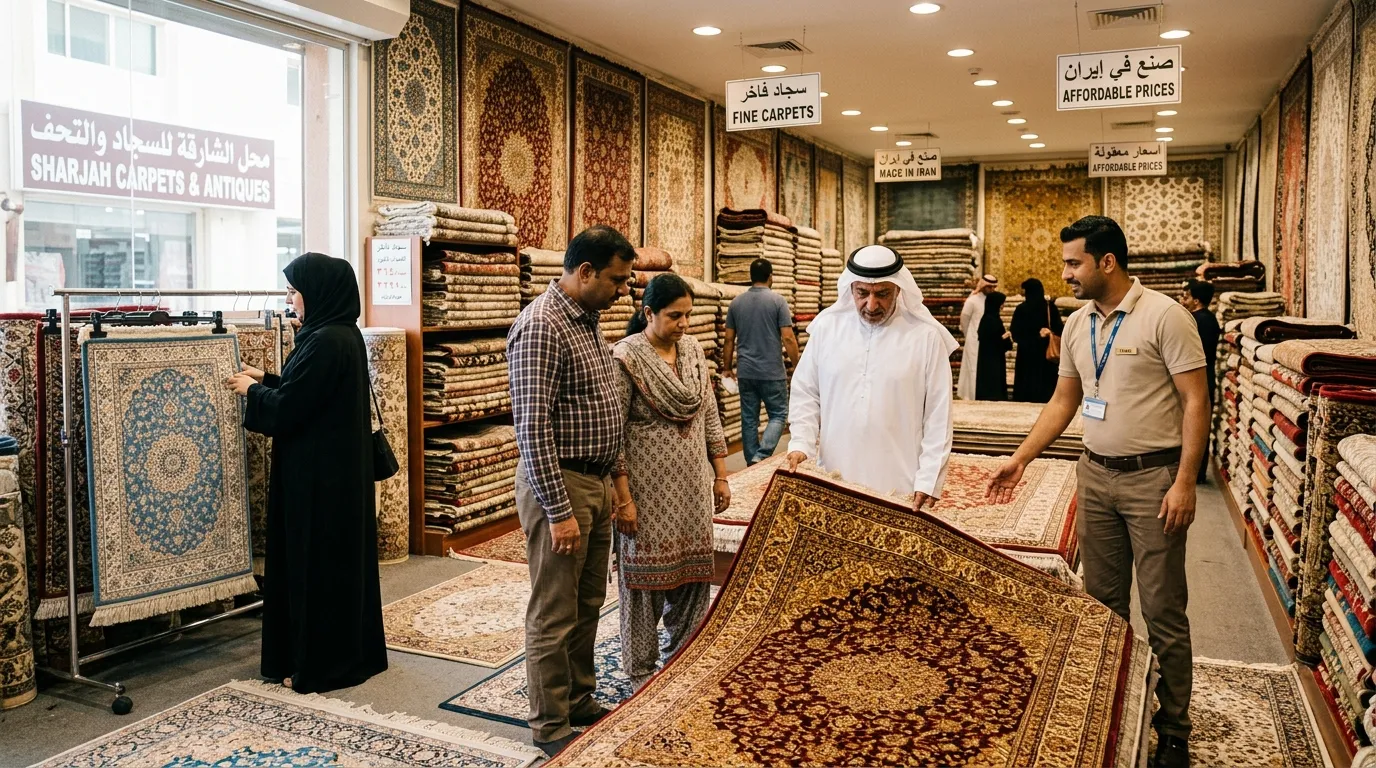
Dubai offers access to a wide selection of authentic handmade carpets due to its role as an international trade hub.
Many reputable dealers import directly from weaving regions and provide certificates of authenticity, detailed material descriptions, and export documentation. The competitive market environment also allows buyers to compare quality, knot density, and pricing across multiple stores.
Additionally, Dubai’s established retail standards and regulated commercial environment make it easier to verify product claims compared to informal markets elsewhere.
Types of Persian Carpets You’ll Find in Dubai
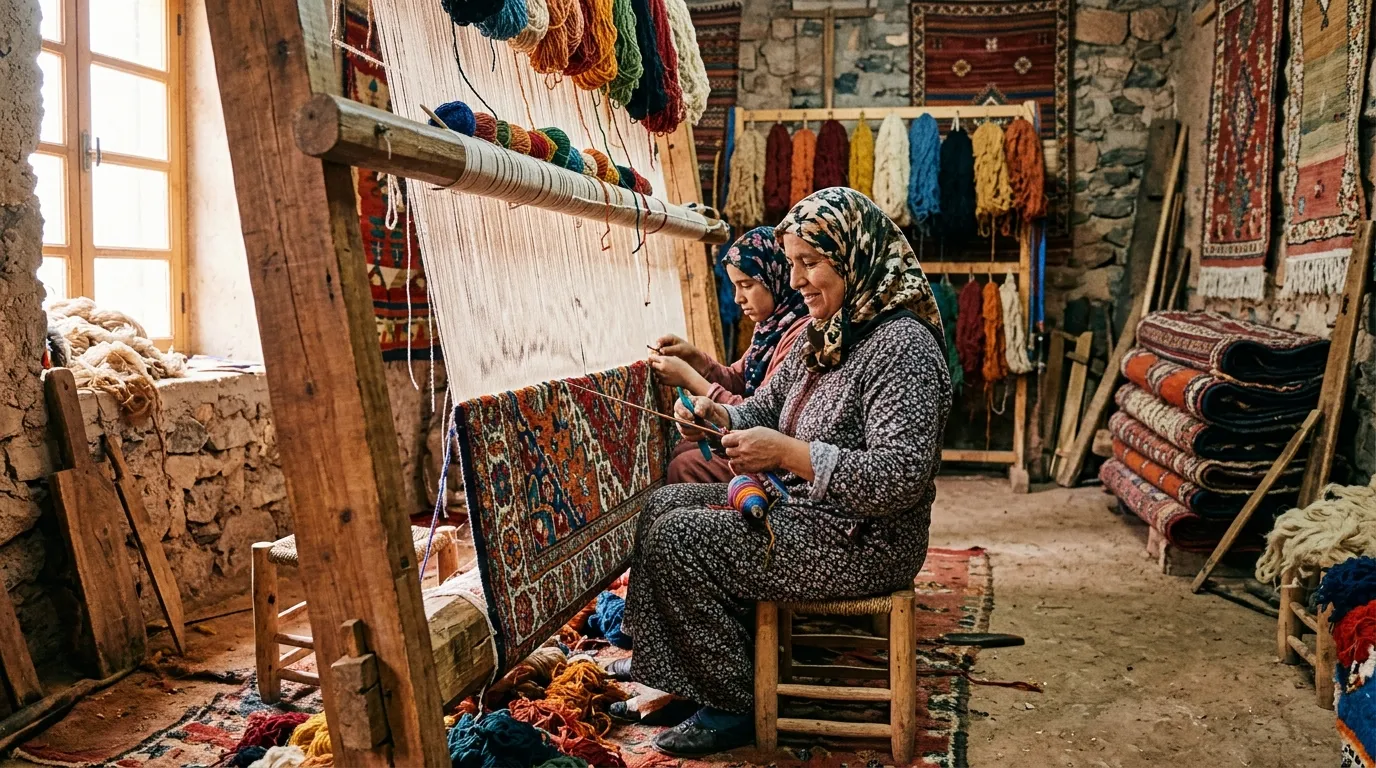
Persian carpets are categorized by their weaving region, knot style, and design tradition. Each region has distinctive patterns, color palettes, and construction methods.
Tabriz Carpets
Tabriz carpets are known for high knot density and intricate designs. They often feature detailed central medallions and complex border structures.
These carpets can use either symmetrical or asymmetrical knots and are recognized for precision in pattern execution. Higher knot counts allow fine detailing and durability.
Kashan Carpets
Kashan carpets typically feature elegant floral motifs and balanced compositions.
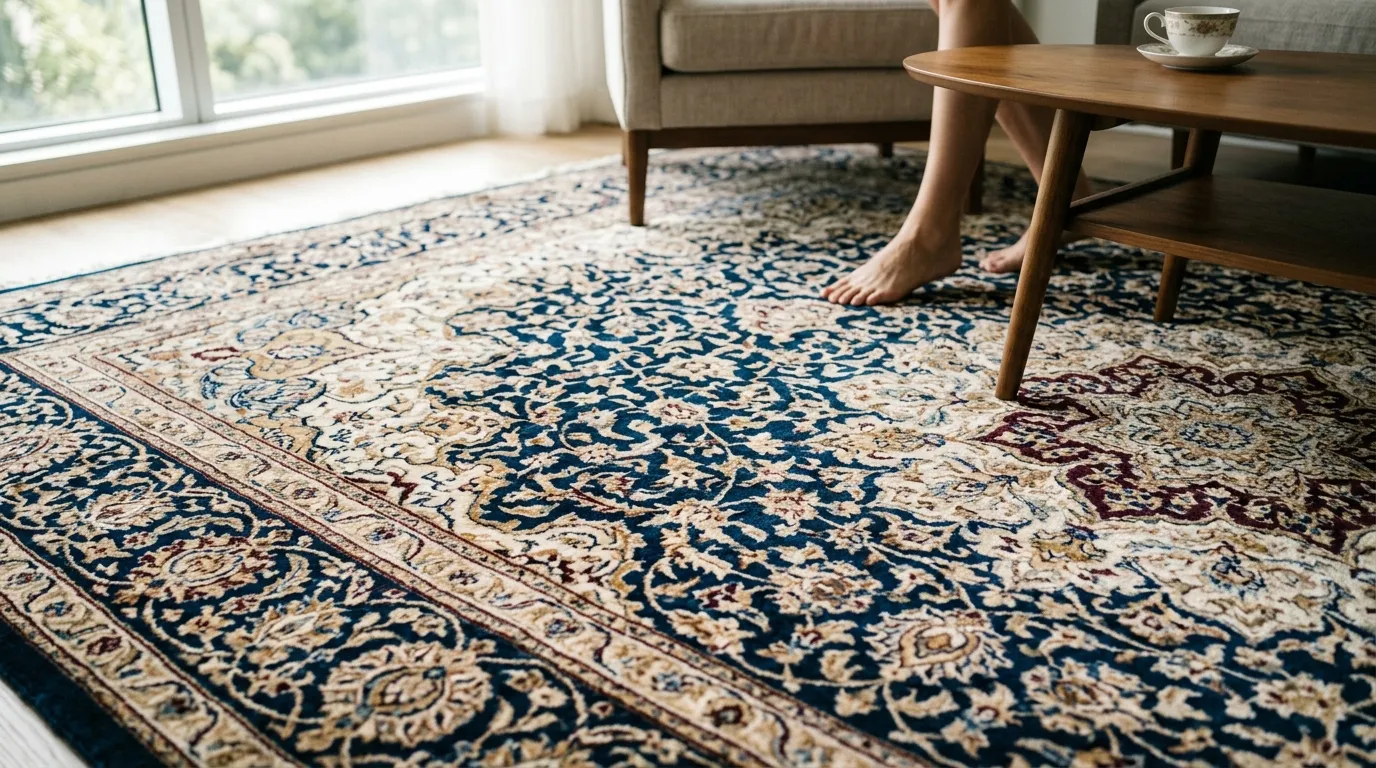
They are traditionally woven with high-quality wool and often display rich color combinations such as deep red, navy, and ivory. Knot density is generally high, contributing to longevity.
Isfahan Carpets
Isfahan carpets are known for refined artistry and symmetrical layouts.
They often use silk or high-grade wool blends and may incorporate silk highlights for detail enhancement. The craftsmanship level is typically very high, with carefully executed motifs.
Qom Silk Carpets
Qom carpets are primarily made from silk and are considered luxury items.
They have extremely fine knot density, intricate patterns, and a distinctive sheen. Due to silk content and detailed workmanship, they are generally more expensive than wool varieties.
How to Check If a Persian Carpet Is Authentic?
Authenticity requires evaluating construction, not just appearance.
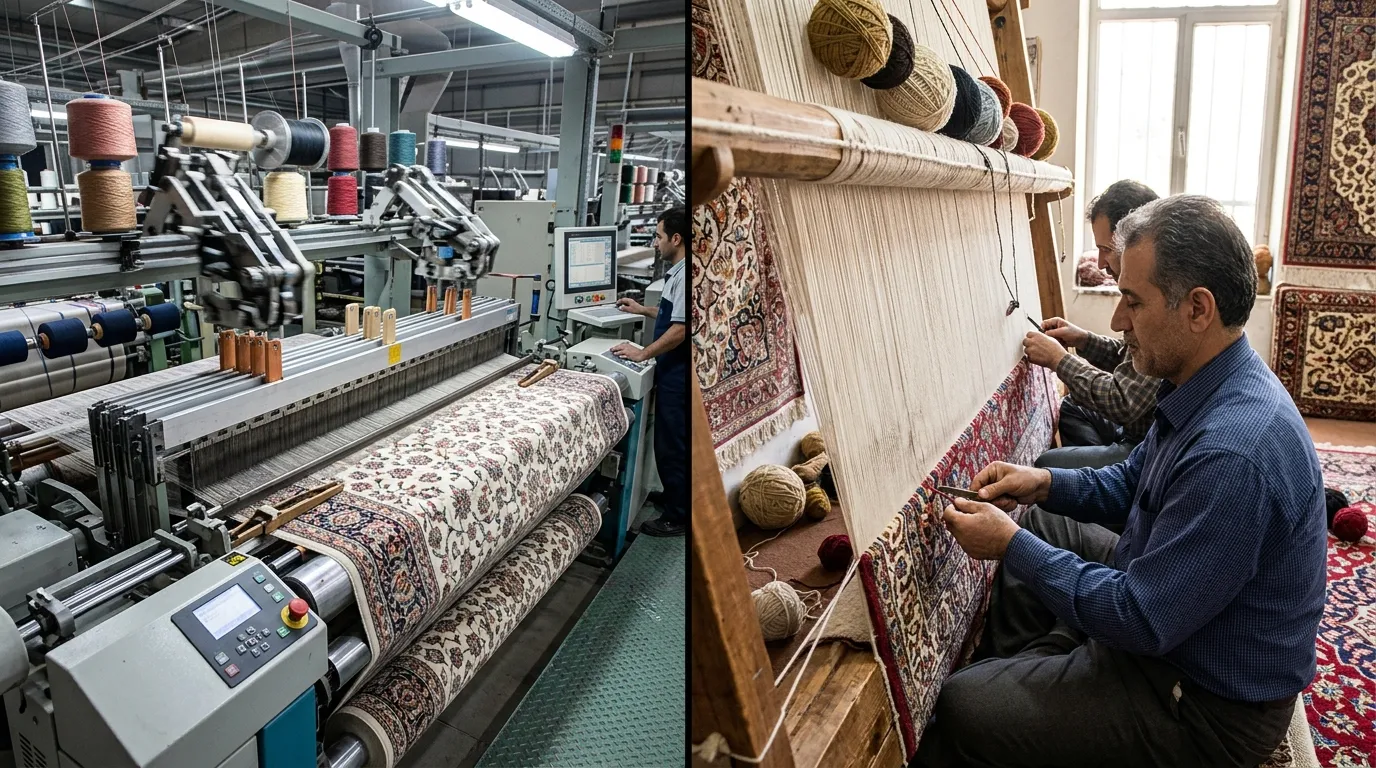
Inspect the back of the carpet to confirm visible hand-tied knots. The pattern should appear on the reverse side, though slightly less sharp. There should be no glued backing or synthetic reinforcement layers.
Check knot type and density. Authentic Persian carpets use hand-tied knots around warp threads. Look for slight irregularities, which indicate manual weaving.
Fringe should be part of the carpet’s foundation, not sewn or glued on. Natural fibers such as wool, silk, and cotton are standard materials. Synthetic backing or plastic layers indicate machine production.
Request origin documentation and confirm regional characteristics consistent with the claimed weaving area.
Persian Carpet Materials Explained
Material significantly affects durability, appearance, and price.
Wool is the most common material and offers resilience, natural elasticity, and long-term durability. High-quality wool maintains shape and resists wear.
Silk provides fine detailing and a luxurious sheen. It allows extremely high knot density and intricate patterns but requires careful maintenance.
Cotton is typically used for warp and weft foundations, ensuring structural stability. Some carpets combine wool pile with cotton foundation for balance between strength and flexibility.
Natural dyes may produce subtle tonal variation known as abrash, which is considered a sign of traditional hand-dyeing.
Persian Carpet Prices in Dubai
Prices vary depending on size, knot density, material, and origin.
Wool Persian carpets generally cost less than silk varieties. Higher knot density increases price due to longer weaving time. Larger sizes require more labor and materials, raising overall cost.
Silk carpets, particularly from Qom, are typically priced at a premium due to material value and detailed craftsmanship. Always compare similar specifications before evaluating price fairness.
How to Choose the Right Persian Carpet for Your Home?
Selection should consider room size, lighting, furniture layout, and traffic level.
Measure the area accurately before purchasing. The carpet should complement furniture arrangement, with adequate proportion under seating or dining sets.
For living rooms, choose durable wool with balanced design. For bedrooms, softer textures or silk blends may enhance comfort. Consider color harmony with walls and flooring.
In rooms with strong sunlight, evaluate fade resistance and consider window protection to preserve colors.
Tips for Negotiating Carpet Prices in Dubai
Negotiation is common in carpet markets.
Begin by comparing prices across multiple stores to understand market range. Express genuine interest but avoid revealing maximum budget immediately.
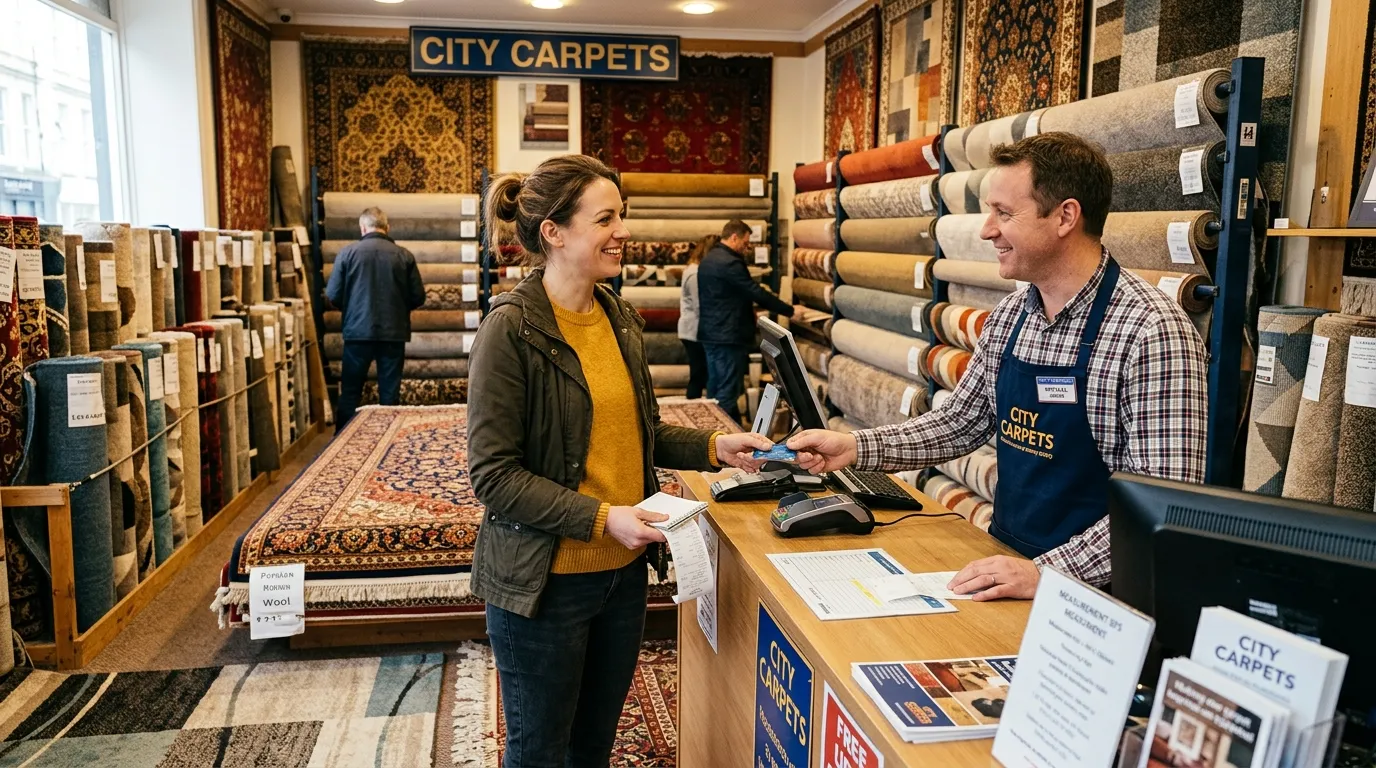
Ask about material quality, knot density, origin, and included services such as delivery or underlay. Sometimes value can be added through complimentary services rather than price reduction alone.
Maintain respectful communication and request clear documentation before finalizing purchase.
Common Mistakes to Avoid When Buying Persian Carpets
Avoid purchasing without inspecting the back of the carpet. Relying only on front appearance can lead to buying machine-made imitations.
Do not ignore knot density and fiber type, as these determine durability and value. Avoid extremely low prices that seem inconsistent with material and craftsmanship claims.
Failing to measure space accurately can result in incorrect sizing. Always confirm return policies and authenticity documentation before payment.
Conclusion
Buying Persian carpets in Dubai requires careful evaluation of authenticity, materials, regional characteristics, pricing structure, and room suitability.
By understanding knot construction, fiber differences, origin details, and market pricing, you can confidently select a genuine handmade carpet that matches your interior design and functional needs.
With proper inspection and informed negotiation, a Persian carpet becomes not only a decorative element but also a long-term investment in craftsmanship, durability, and interior elegance.
Also Read: How to Identify Fake Handmade Carpets