
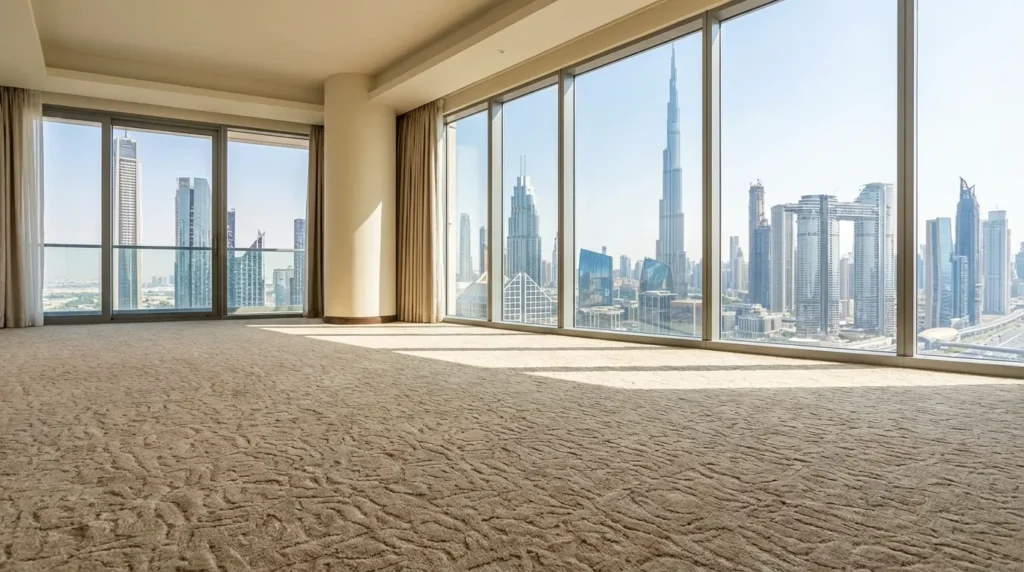
Choosing a wall-to-wall carpet in Dubai can feel confusing, especially when every showroom claims to offer the “best” option.
Many homeowners pick carpets based only on looks, then face issues like dust buildup, heat retention, or fast wear. The wrong choice often leads to high maintenance and extra cost within a short time.
Here’s the thing, the best carpet is the one that fits your lifestyle, not just your taste. When you focus on material, durability, and how each room is used, the decision becomes much easier. This guide will help you make a clear and confident choice.
Understand Dubai Climate Needs
Dubai’s climate is characterized by high temperatures, strong sunlight exposure, and indoor air conditioning for most of the year. These conditions influence carpet performance.
Air-conditioned environments can create temperature differences between flooring and room air, which affects fiber stability. Dust accumulation is also common due to dry conditions and urban surroundings. Therefore, carpets must be resistant to heat, UV exposure, and fine particulate matter.
Choosing materials and underlays that handle temperature fluctuation and frequent cleaning is essential for long-term durability.
Choose the Right Carpet Material
Carpet fiber determines comfort, resilience, and maintenance level.
Nylon is highly durable, resistant to wear, and suitable for high-traffic areas. It maintains shape well and is a strong option for living rooms and hallways. Polyester offers good stain resistance and vibrant color retention, making it suitable for bedrooms and low to medium traffic spaces.
Polypropylene is moisture-resistant and cost-effective, but may flatten faster under heavy use. Wool provides premium comfort, natural insulation, and excellent resilience, though it requires more careful maintenance.
Selecting the correct fiber based on room function ensures optimal performance.
Pick Carpet Thickness and Density
Thickness and density directly impact durability and comfort.
Density refers to how closely fibers are packed together. Higher density carpets resist crushing and maintain appearance longer. Pile height influences softness, but extremely high pile in busy areas can flatten quickly.
For Dubai homes, medium to high-density carpets with moderate pile height are ideal for balancing comfort and longevity. Underlay thickness also matters, as it improves cushioning, sound absorption, and insulation.
Match Carpet Type With Room Usage
Different rooms require different performance levels.
High-traffic areas such as living rooms and corridors need durable fibers like nylon with high density. Bedrooms can prioritize comfort with softer textures such as polyester or wool.
Staircases require strong backing and tight weave to prevent wear. Home offices benefit from low-pile carpets that allow smooth chair movement. Matching carpet specifications with usage prevents uneven wear and extends lifespan.
Choose the Right Color for Dubai Interiors
Color selection influences visual space, heat perception, and maintenance visibility.
Light neutral tones such as beige, ivory, and soft gray are popular in Dubai because they complement modern interiors and reflect light well. Darker shades can hide stains but may show dust more clearly.
Avoid extremely light colors in high-traffic zones if maintenance frequency is limited. Consider UV resistance in rooms with strong sunlight exposure to prevent fading. Color should align with overall interior design and natural lighting conditions.
Think About Maintenance and Cleaning
Maintenance requirements vary by fiber type and pile structure.
Low-pile carpets are easier to vacuum and clean, making them suitable for busy households. High-pile carpets provide comfort but may trap dust more easily.
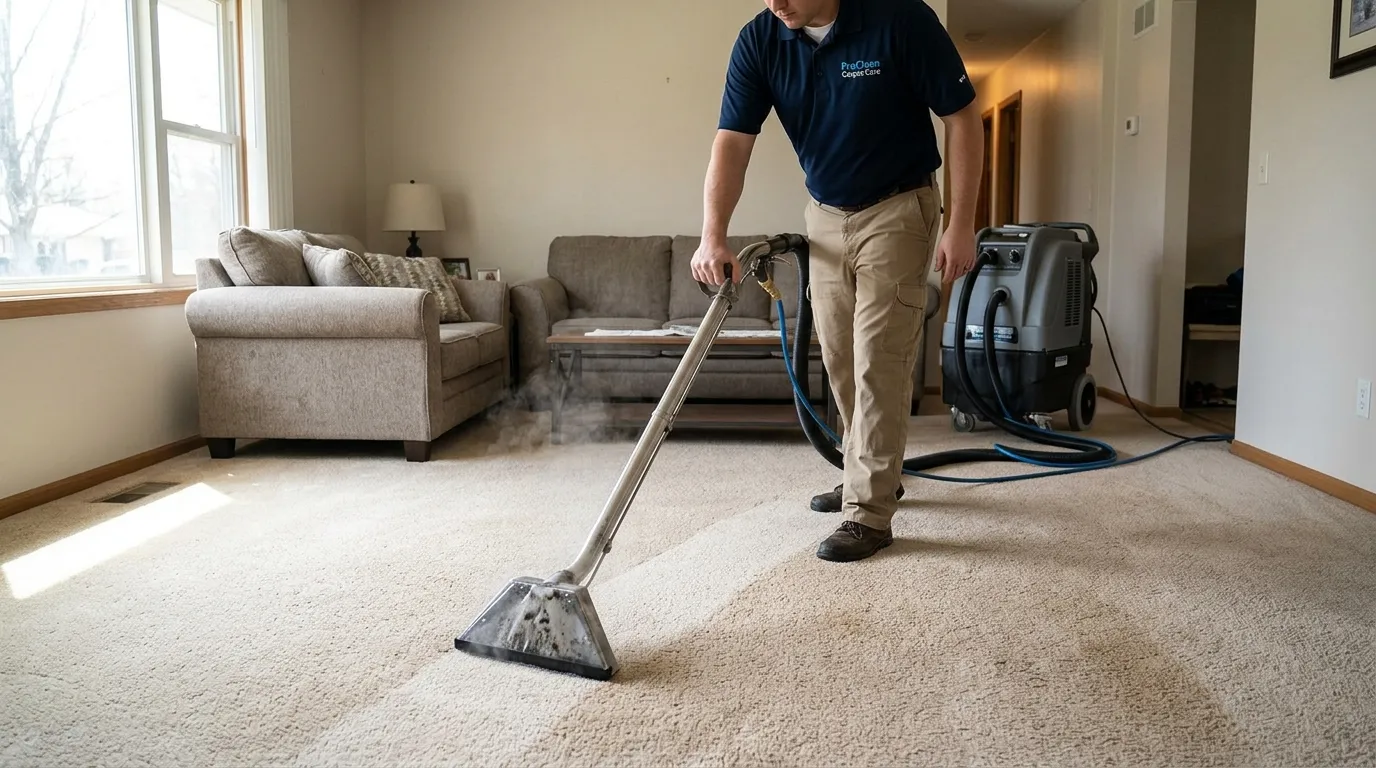
Regular vacuuming with strong suction and HEPA filtration is recommended in Dubai due to dust conditions. Choose carpets that tolerate periodic professional cleaning without shrinking, fading, or backing damage.
Understanding cleaning compatibility ensures long-term appearance retention.
Check Installation Quality
Proper installation is critical for wall to wall carpets.
Professional installers should use correct underlay materials, secure tack strips, and precise stretching techniques. Power stretching prevents wrinkles and ensures flat alignment.
Poor installation can lead to rippling, uneven seams, and premature wear. Seams must be aligned correctly and secured with appropriate adhesive or heat bonding. Installation quality directly affects durability and safety.
Set a Budget Based on Long-Term Value
Budget decisions should consider lifespan, not only upfront cost.
Higher-quality materials and professional installation may cost more initially but reduce replacement frequency. Cheap carpets may flatten quickly, fade faster, or require early replacement.
Evaluate total cost of ownership, including underlay, installation, maintenance, and expected lifespan. Investing in durable materials ensures better long-term performance and overall value.
Conclusion
Choosing the best wall to wall carpet in Dubai requires careful consideration of climate conditions, fiber type, density, room usage, color selection, maintenance needs, installation quality, and long-term investment value.
By selecting appropriate materials such as nylon, polyester, wool, or polypropylene based on functionality, and ensuring professional installation with proper underlay, you can achieve durability, comfort, and aesthetic consistency.
A well-chosen wall to wall carpet enhances insulation, acoustics, safety, and interior design while providing lasting performance in Dubai’s unique environmental conditions.
Also Read: How To Identify Fake Handmade Carpets?