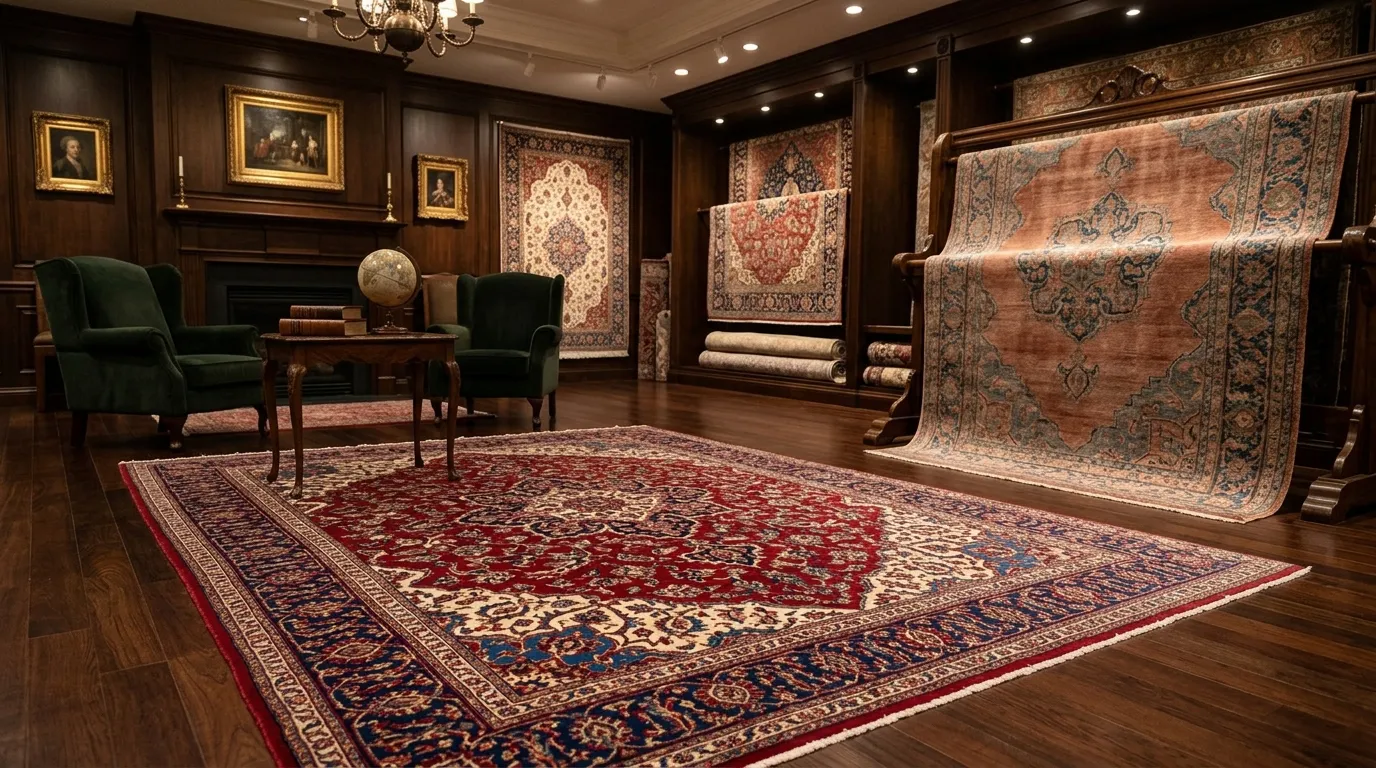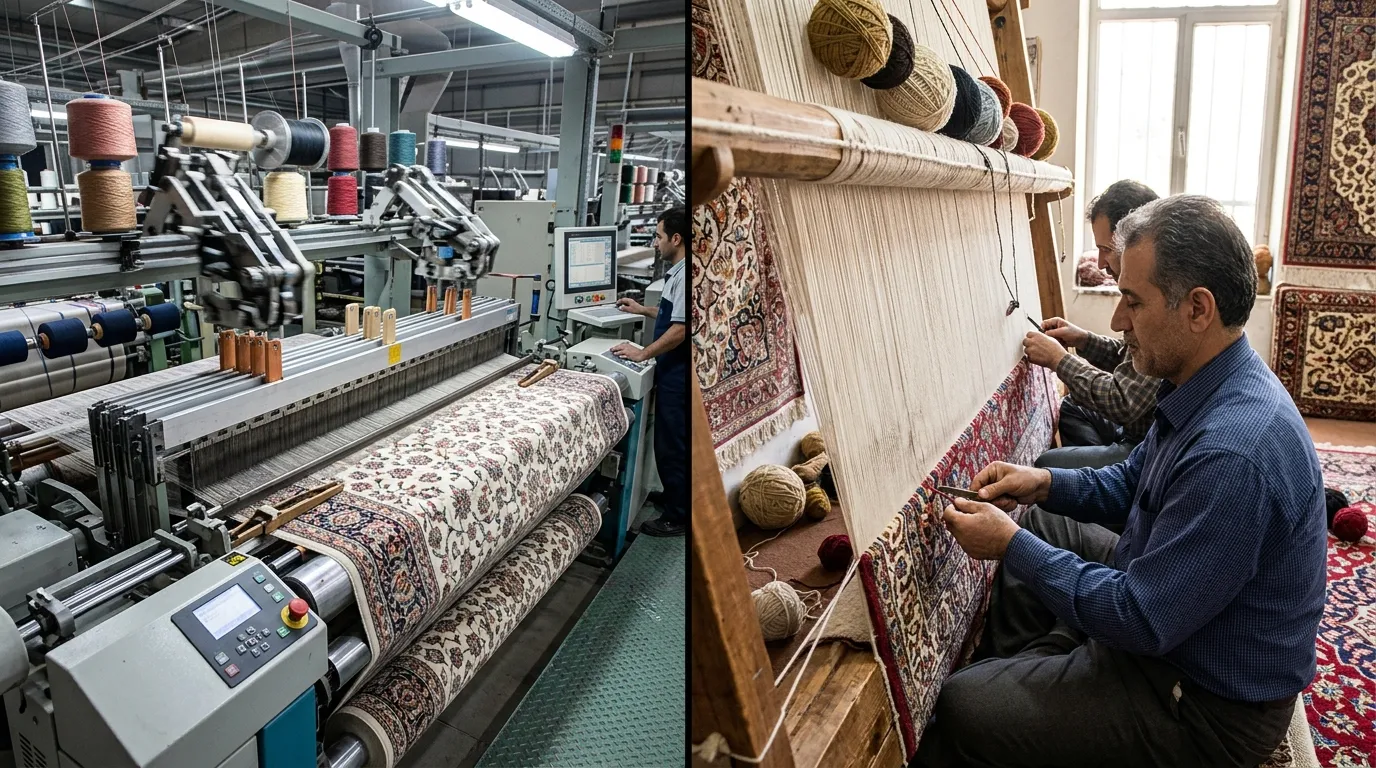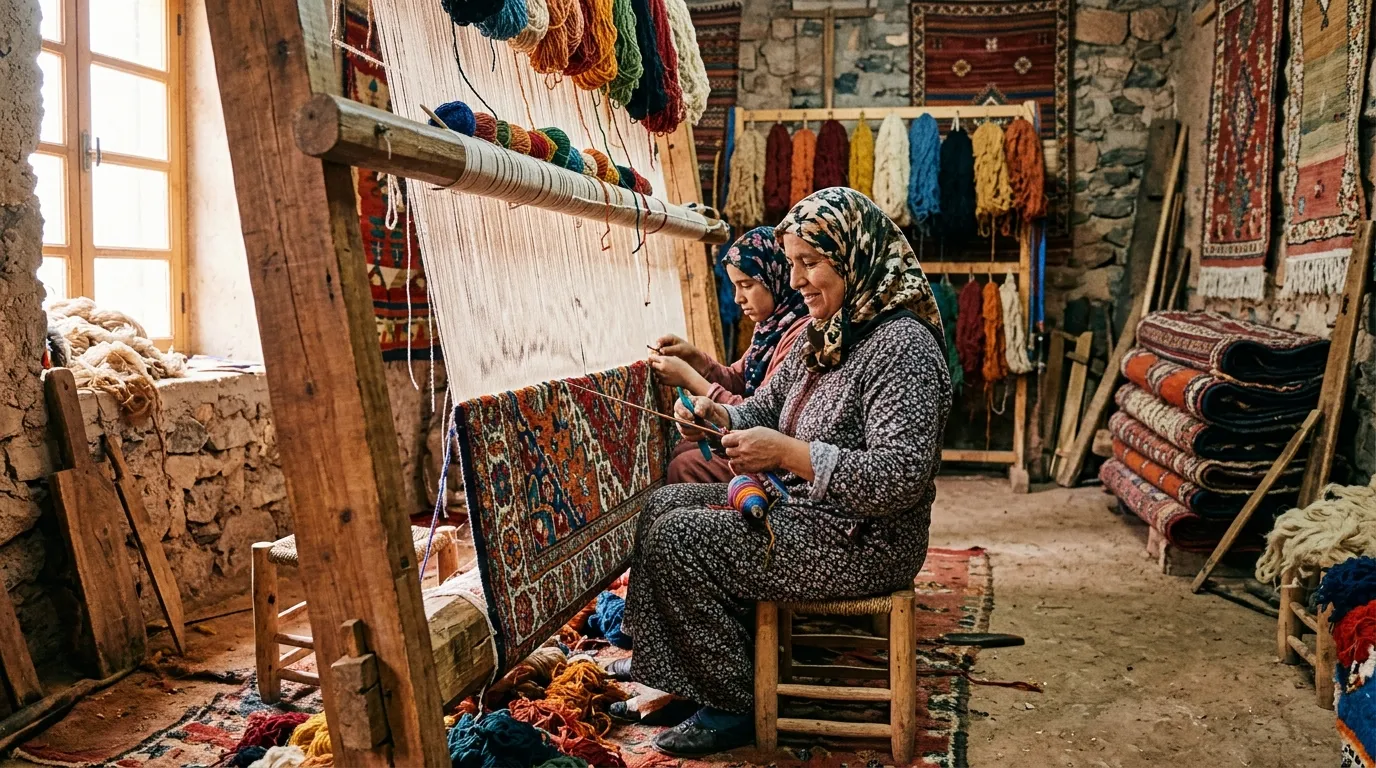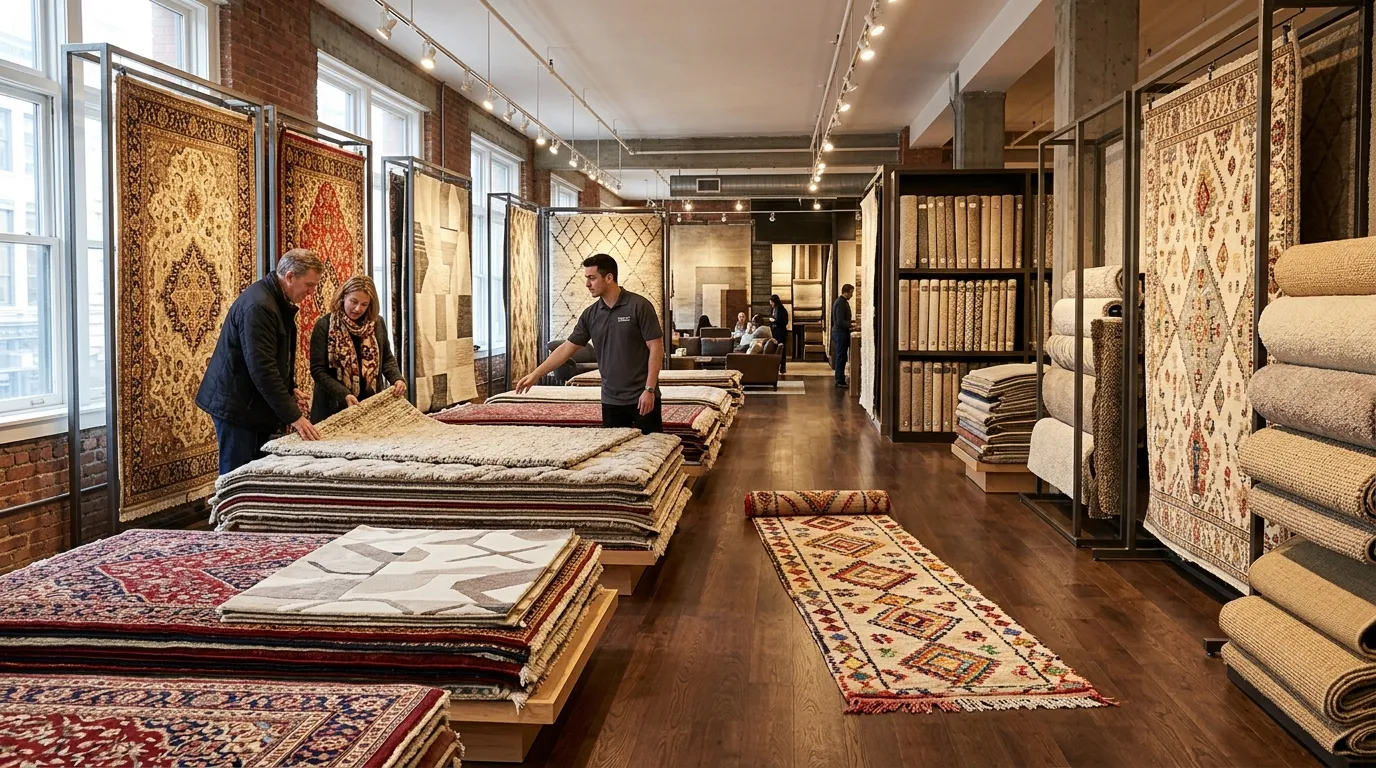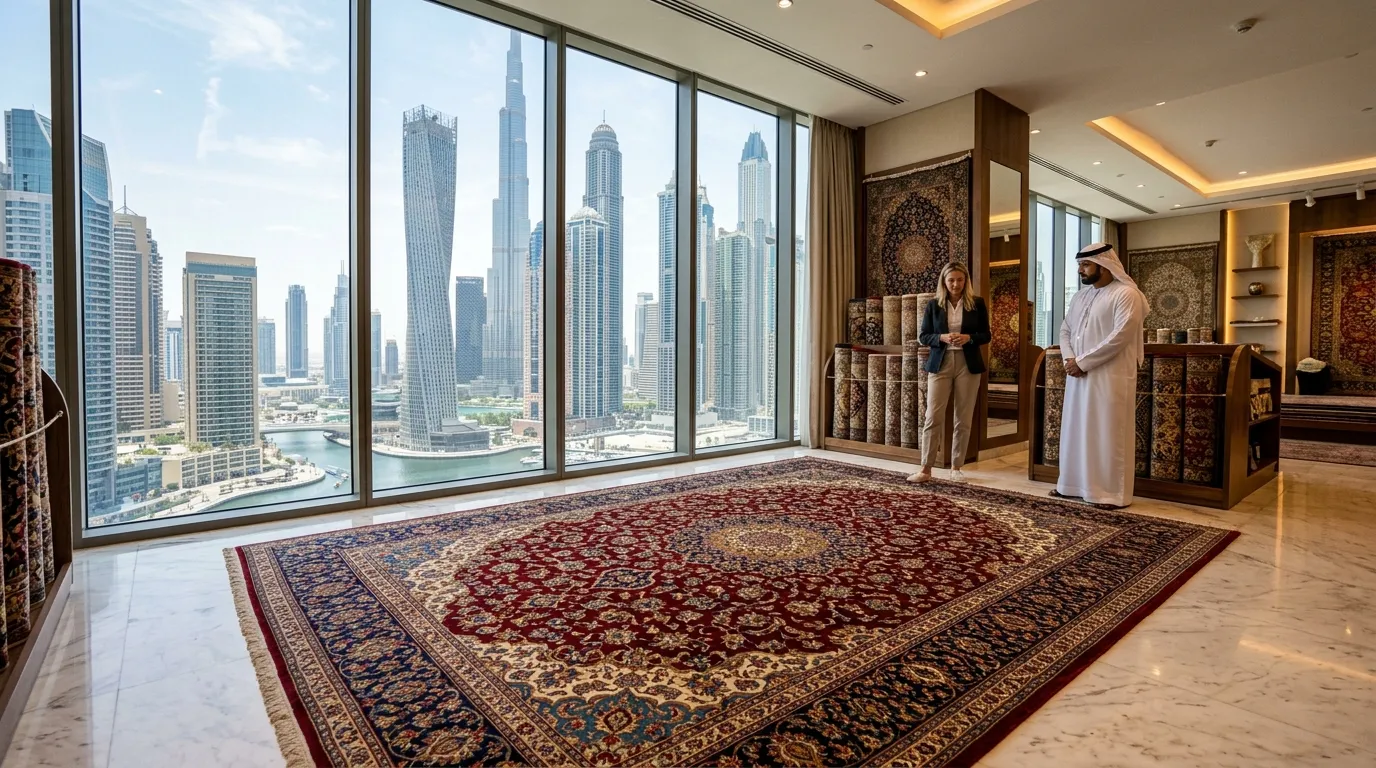

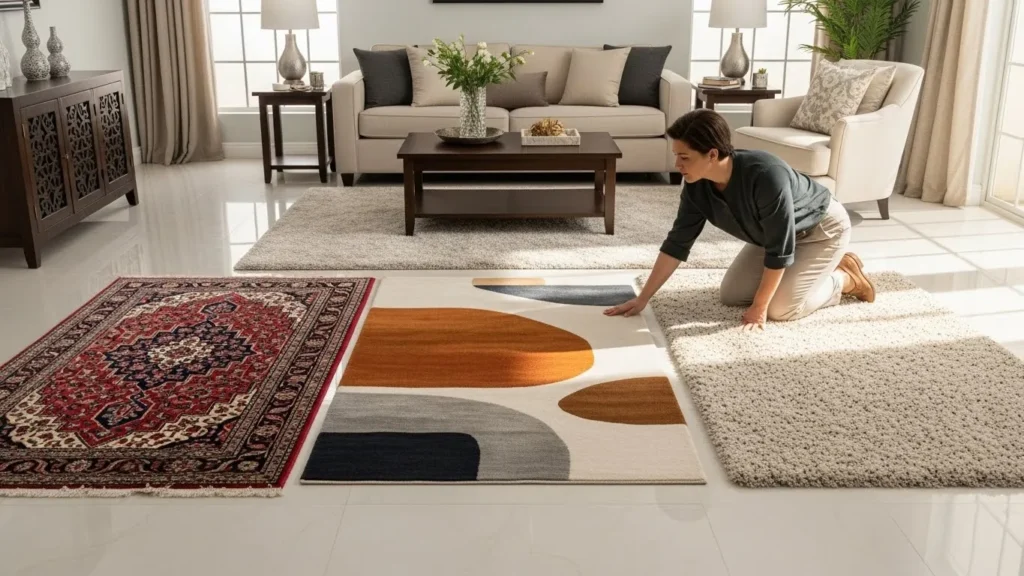
Choosing the right carpet for Sharjah homes and climate requires selecting materials, weave types, and construction methods that can withstand heat, dust, humidity, and daily foot traffic without degrading in performance or appearance.
Sharjah’s environment places specific physical demands on carpets due to high temperatures, frequent sand exposure, air-conditioned interiors, and varying moisture levels. A carpet that works well in cooler or drier regions may fail quickly in Sharjah if these factors are ignored.
The correct choice improves durability, comfort, hygiene, and long-term value while reducing maintenance and replacement costs.
Choose Heat-Resistant Materials
Heat resistance is one of the most critical factors when selecting a carpet for Sharjah. Interior temperatures fluctuate significantly due to constant air conditioning combined with external heat. Fibers that expand, harden, or lose elasticity under heat stress deteriorate faster.
Wool performs well in heat because it naturally regulates temperature and retains fiber resilience, although it requires proper care. Nylon is another strong option due to its high melting point, structural stability, and resistance to deformation. Polypropylene is heat tolerant but less resilient and tends to flatten under prolonged pressure. Silk and viscose should be avoided in high-heat rooms as they are sensitive to temperature changes and moisture.
Prioritize Breathability
Breathability determines how well a carpet releases trapped heat and moisture. Poorly ventilated carpets retain humidity, which leads to odor buildup, bacterial growth, and fiber weakening over time.
Natural fibers such as wool and cotton allow better airflow through the pile structure, reducing heat retention. Machine-made carpets with dense synthetic backing often restrict airflow, especially when paired with non-breathable underlay. In Sharjah homes, breathable carpets help maintain indoor comfort and reduce stress on air-conditioning systems.
Go for Low-Pile or Flat-Weave Carpets
Pile height directly affects how a carpet handles heat, dust, and wear. High-pile carpets trap sand, retain heat, and compress unevenly under furniture, which accelerates fiber damage.
Low-pile carpets offer better heat dissipation and are easier to clean, making them suitable for Sharjah living rooms and bedrooms. Flat-weave carpets such as kilims or dhurries perform exceptionally well in hot climates because they have no pile to trap dust or heat. They also dry faster after cleaning and resist compression damage.
Select Dust- and Sand-Resistant Textures
Sharjah’s environment introduces fine sand particles into homes even with closed windows. Carpets with open, loose pile structures allow sand to sink deep into the base, making removal difficult and increasing abrasive wear.
Tightly woven carpets with firm twist levels prevent particles from embedding deeply into the pile. Loop pile constructions and dense cut piles perform better than shag or loose tufted designs. A carpet that resists sand accumulation maintains its texture longer and reduces fiber breakage caused by friction.
Pick Lighter or Neutral Colors
Color choice affects both aesthetics and thermal behavior. Dark carpets absorb more heat and show dust, lint, and salt residue from sand more clearly. In Sharjah, where light enters homes strongly, darker carpets also fade faster if dye stability is weak.
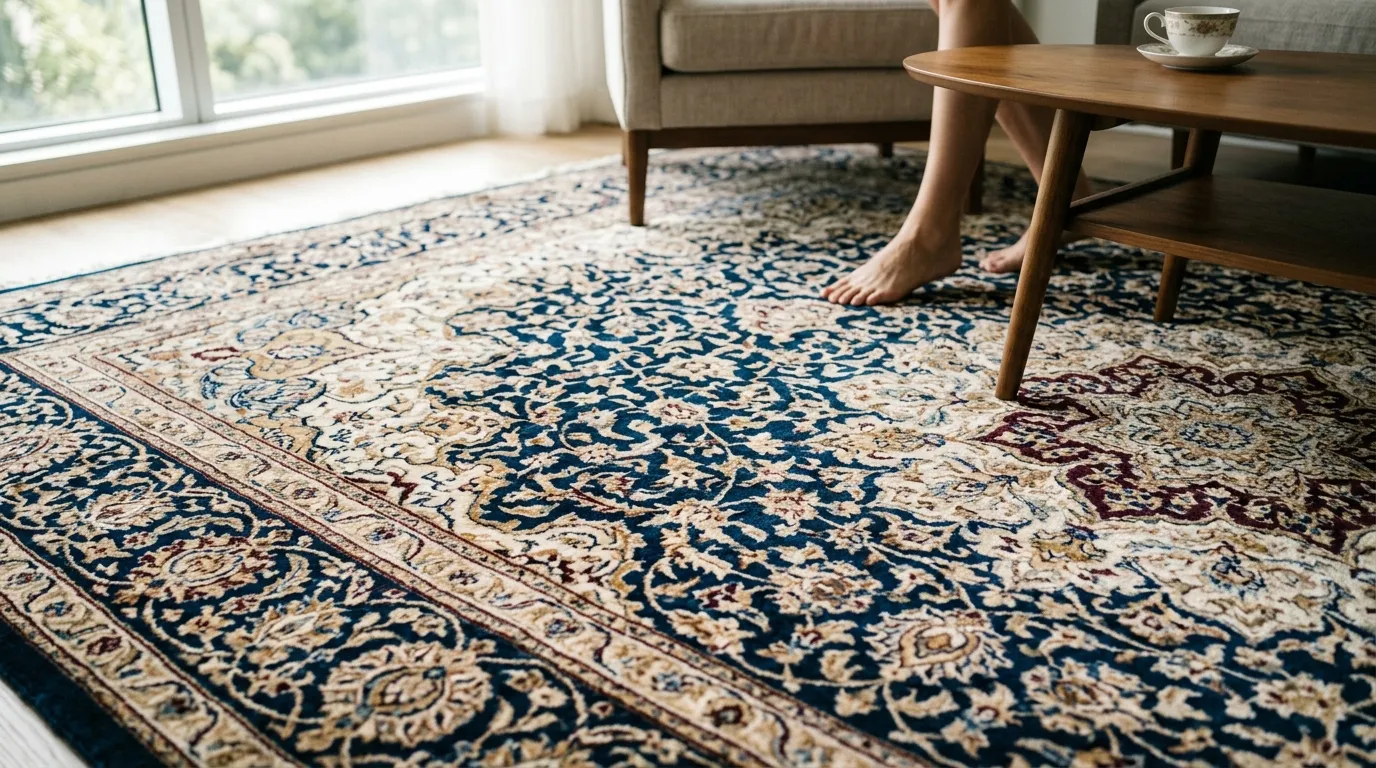
Neutral shades such as beige, light grey, taupe, and muted earth tones reflect heat better and visually mask dust between cleanings. These colors also adapt more easily to changing furniture and decor, extending the usable life of the carpet without aesthetic fatigue.
Consider Easy-to-Clean Fibers
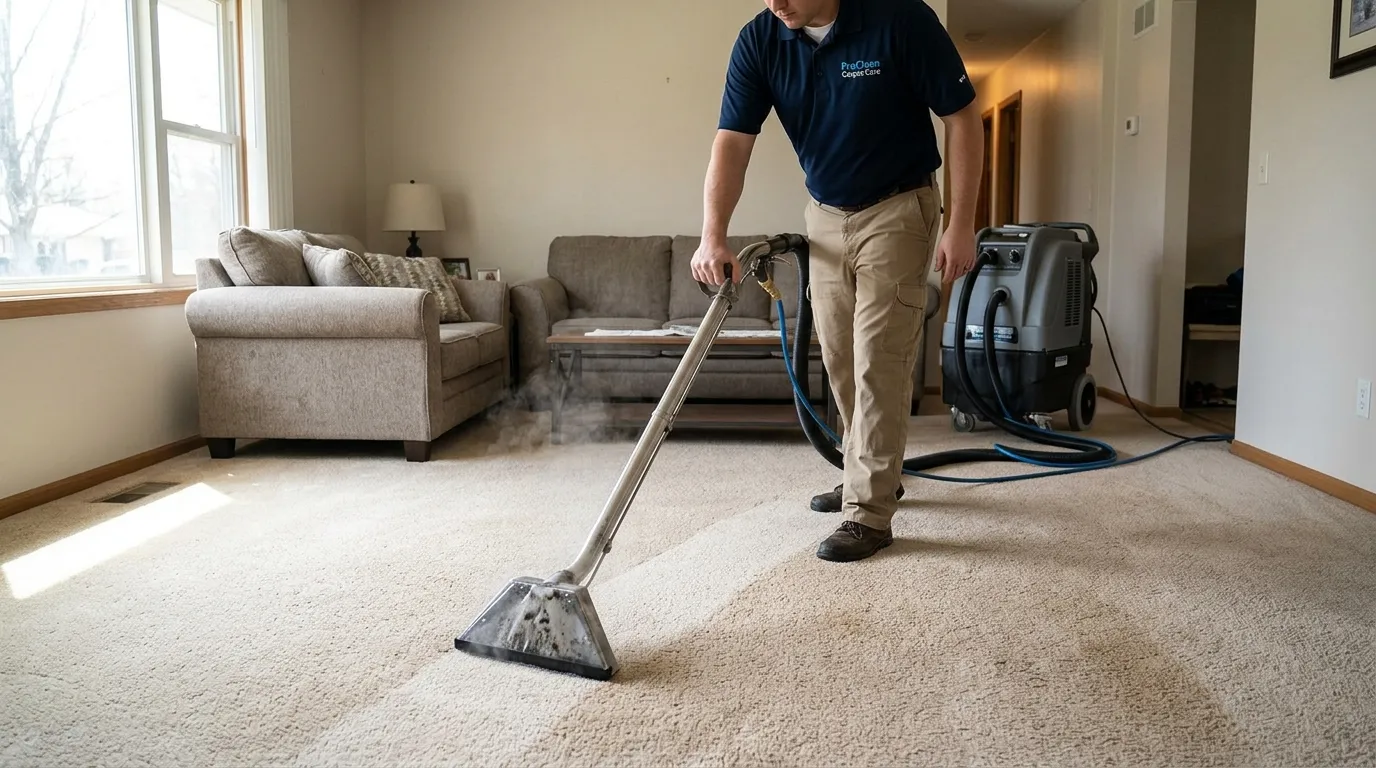
Ease of cleaning is a functional requirement rather than a convenience in Sharjah. Carpets are exposed to dust, humidity, and frequent cleaning cycles, which stresses fibers and backing materials.
Nylon fibers resist staining and recover well after cleaning. Polypropylene repels moisture and stains but attracts oil-based dirt. Wool cleans effectively when maintained properly but requires professional care. Carpets that tolerate vacuuming, low-moisture cleaning, and occasional shampooing without fiber distortion are best suited for local conditions.
Check Moisture Resistance
Although Sharjah is dry for most of the year, moisture enters homes through humidity, air conditioning condensation, and cleaning processes. Carpets that absorb moisture excessively develop mold, odors, and backing delamination.
Solution-dyed synthetic fibers resist moisture penetration and color bleeding. Latex or rubber backing should be flexible and well bonded to prevent cracking. Carpets intended for ground floors or near balconies should be evaluated for moisture tolerance before purchase.
Match Carpet Type to Room Usage
Different rooms impose different mechanical stresses on carpets. Using one carpet type throughout the home often leads to premature failure in high-traffic areas.
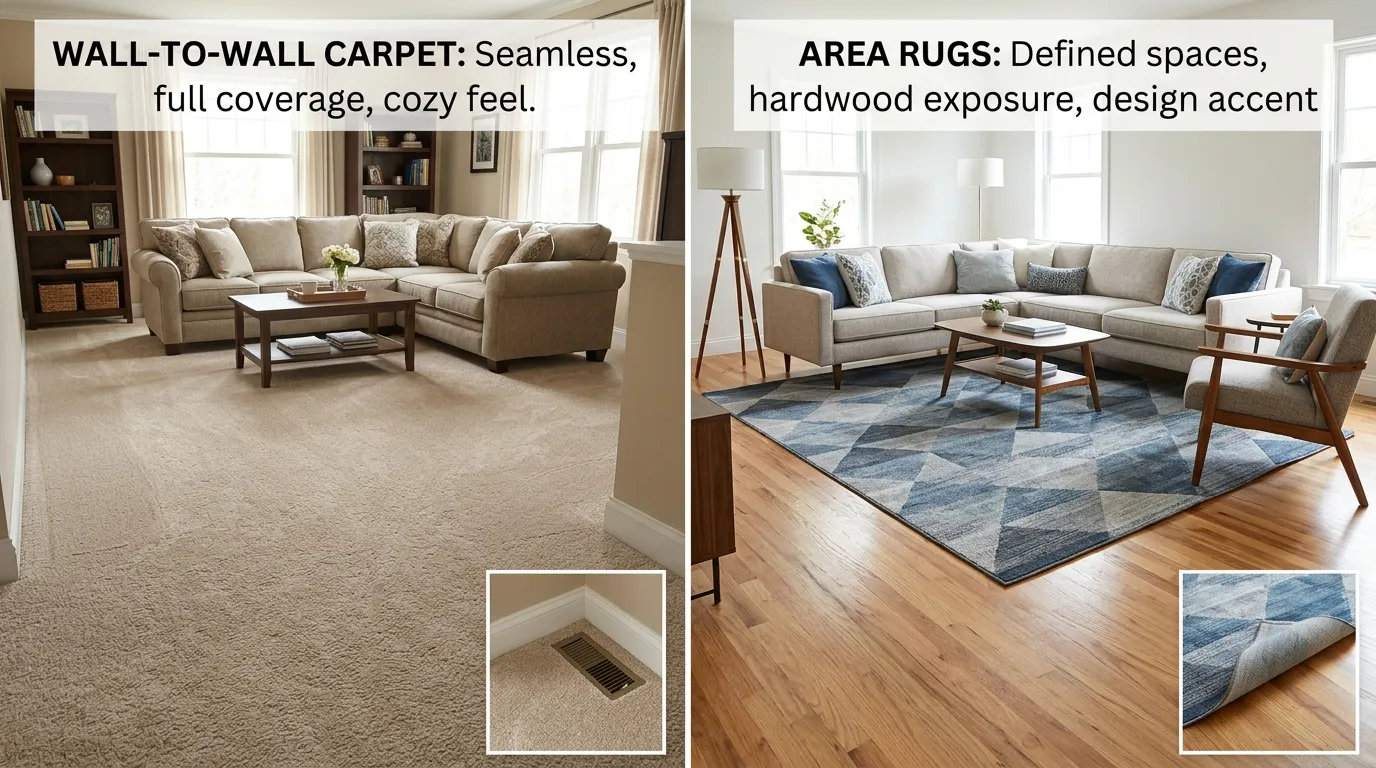
Living rooms require high abrasion resistance and firm pile recovery. Bedrooms benefit from softer textures with moderate density. Hallways and entrances demand dense, low-pile carpets that resist crushing. Prayer areas require smooth, stable surfaces that maintain alignment over time. Matching carpet specifications to room function ensures consistent performance and appearance.
Ensure Proper Underlay
Underlay plays a critical role in thermal insulation, acoustic performance, and carpet longevity. Without proper underlay, even high-quality carpets deteriorate quickly under foot traffic.
In Sharjah homes, underlay should allow airflow while providing cushioning and load distribution. Rubber underlay offers durability but must be breathable. Foam underlay should resist heat compression and retain shape. Proper underlay reduces friction between carpet and floor, preventing premature wear and rippling.
Ask About Maintenance Requirements
Every carpet has specific maintenance needs based on fiber type, construction, and dye method. Ignoring these requirements leads to fading, matting, and structural failure.
Before purchase, buyers should understand vacuum frequency, cleaning methods, drying time, and professional care intervals. Carpets that require excessive moisture, delicate handling, or frequent deep cleaning may not be practical for Sharjah homes.
Conclusion
Choosing the right carpet for Sharjah homes and climate depends on selecting heat-resistant, breathable, low-pile, and dust-resistant materials that align with room usage and maintenance capacity. Climate-appropriate carpets maintain structural integrity, visual appeal, and hygiene under high temperatures, sand exposure, and frequent use.
A technically informed selection reduces long-term costs, improves indoor comfort, and ensures the carpet performs as intended throughout its lifespan in Sharjah’s demanding environment.
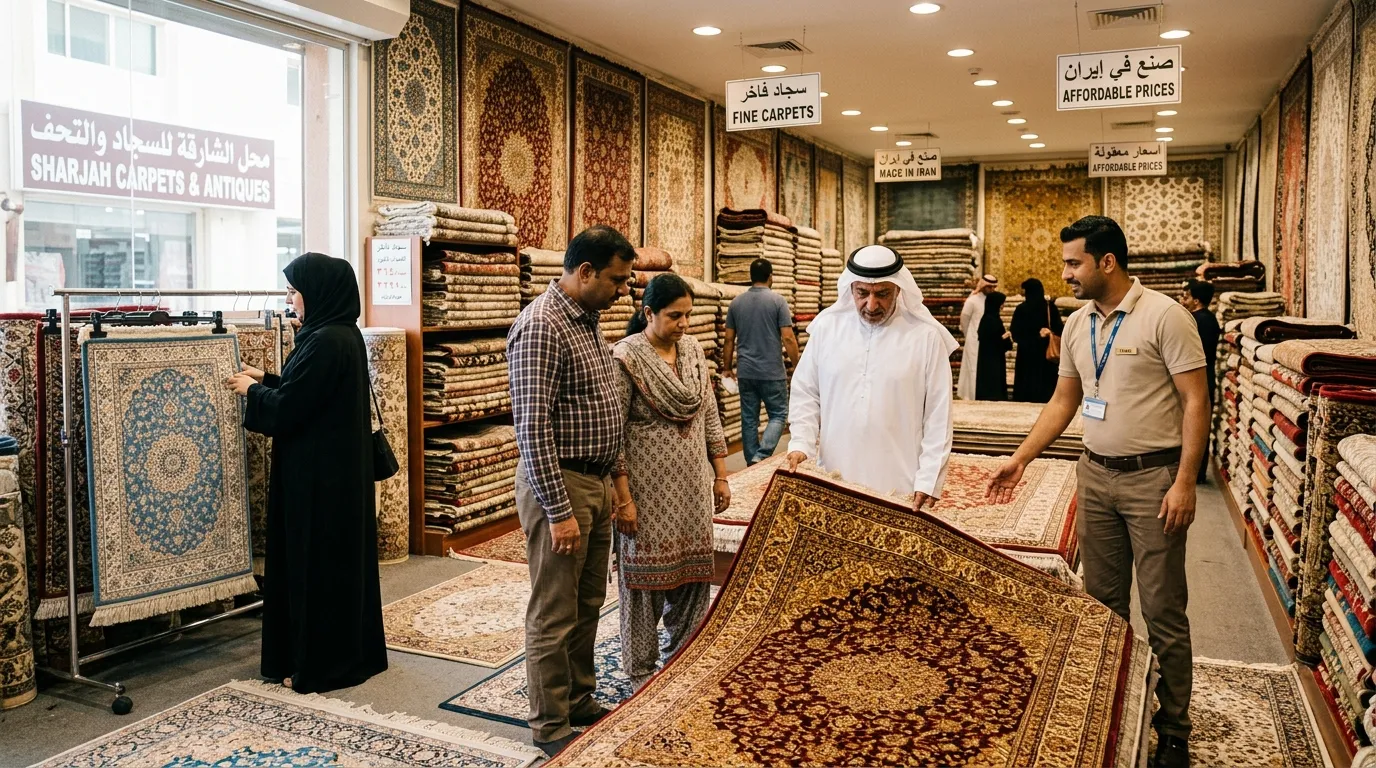
Also Read: Why Buying Carpets From Physical Shop in Sharjah Matters?