Choosing between Turkish and Iranian carpets is a common question in Sharjah. While both are known for quality and craftsmanship, Iranian carpets are generally more popular because of their rich heritage, detailed designs, and long-term value, whereas Turkish carpets are often chosen for their durability, modern styles, and more affordable prices.
The right choice really depends on whether you’re buying a carpet for decoration, daily use, or investment. so keep reading to find out which one truly fits your space and lifestyle.
Origin and Craft Background
Iranian carpets originate from Iran and are traditionally hand-knotted using techniques that date back centuries. Carpet weaving in Iran is deeply tied to regional identity, with cities such as Tabriz, Kashan, Isfahan, Qom, and Kerman producing styles that are globally recognized and documented. Each region follows established weaving traditions, knot types, dye practices, and design rules passed through generations.
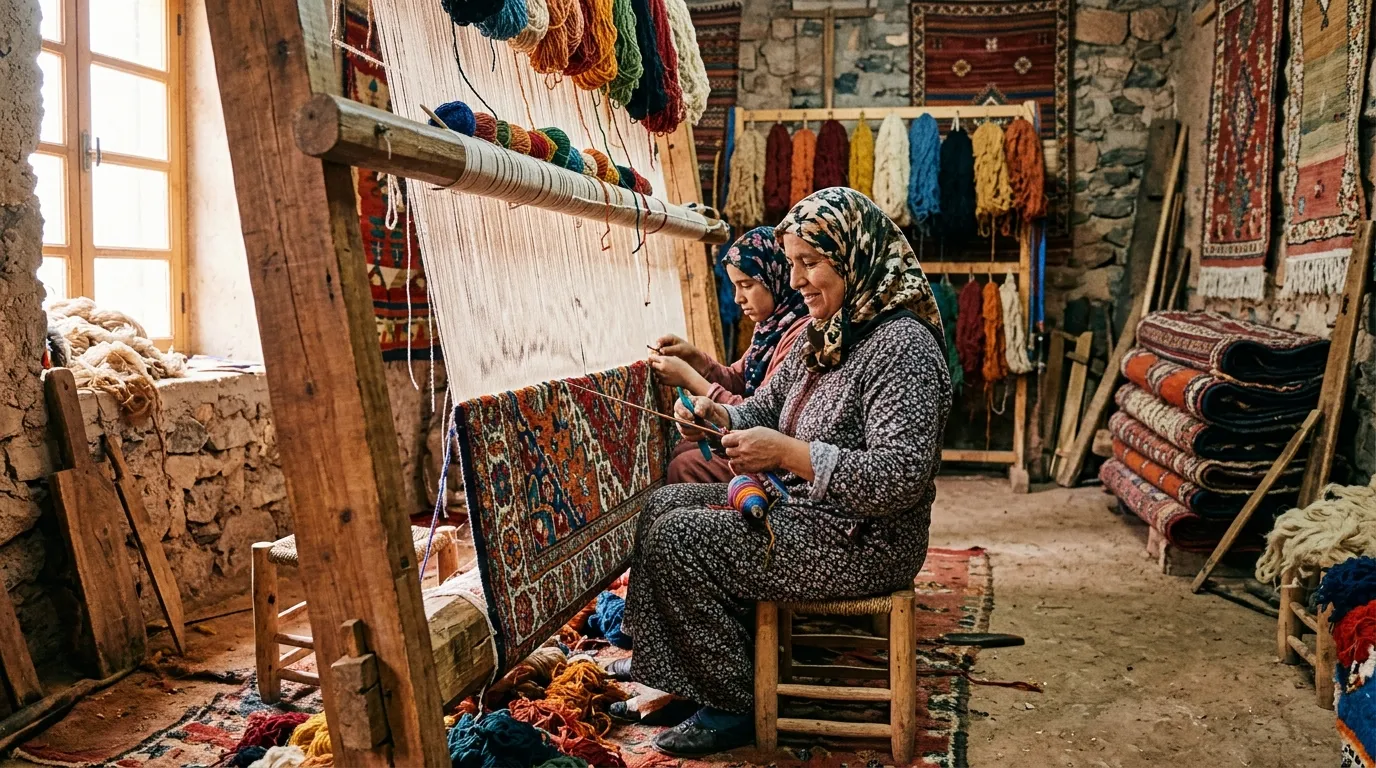
Turkish carpets originate primarily from Turkey, with major weaving centers including Hereke, Kayseri, Konya, and Isparta. Turkish carpet weaving also has a long history, rooted in Anatolian tribal traditions. While historically significant, Turkish carpet production today includes a broader mix of hand-knotted, hand-woven, and high-quality machine-made carpets.
In Sharjah, Iranian carpets are more strongly associated with heritage, authenticity, and collectability, while Turkish carpets are seen as practical, design-oriented options suitable for everyday living.
Design Style Differences
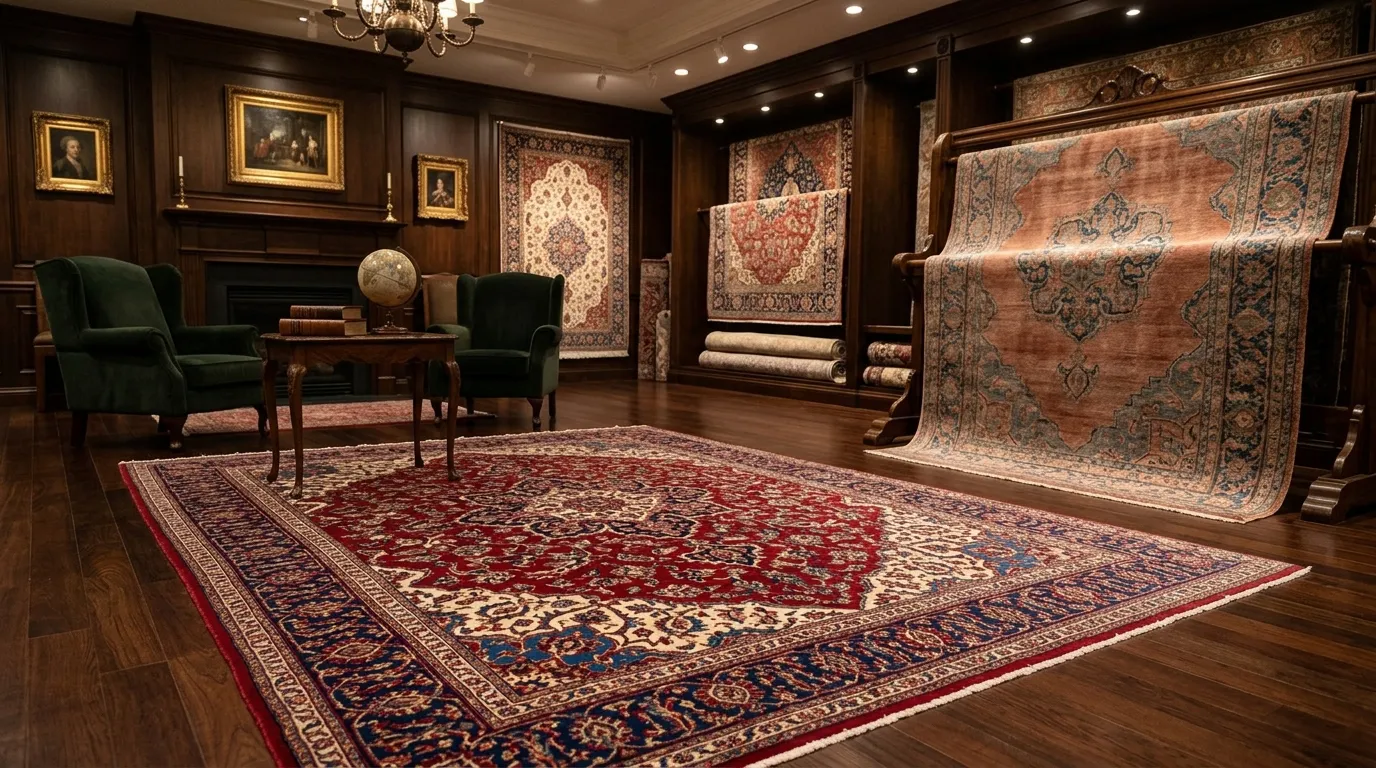
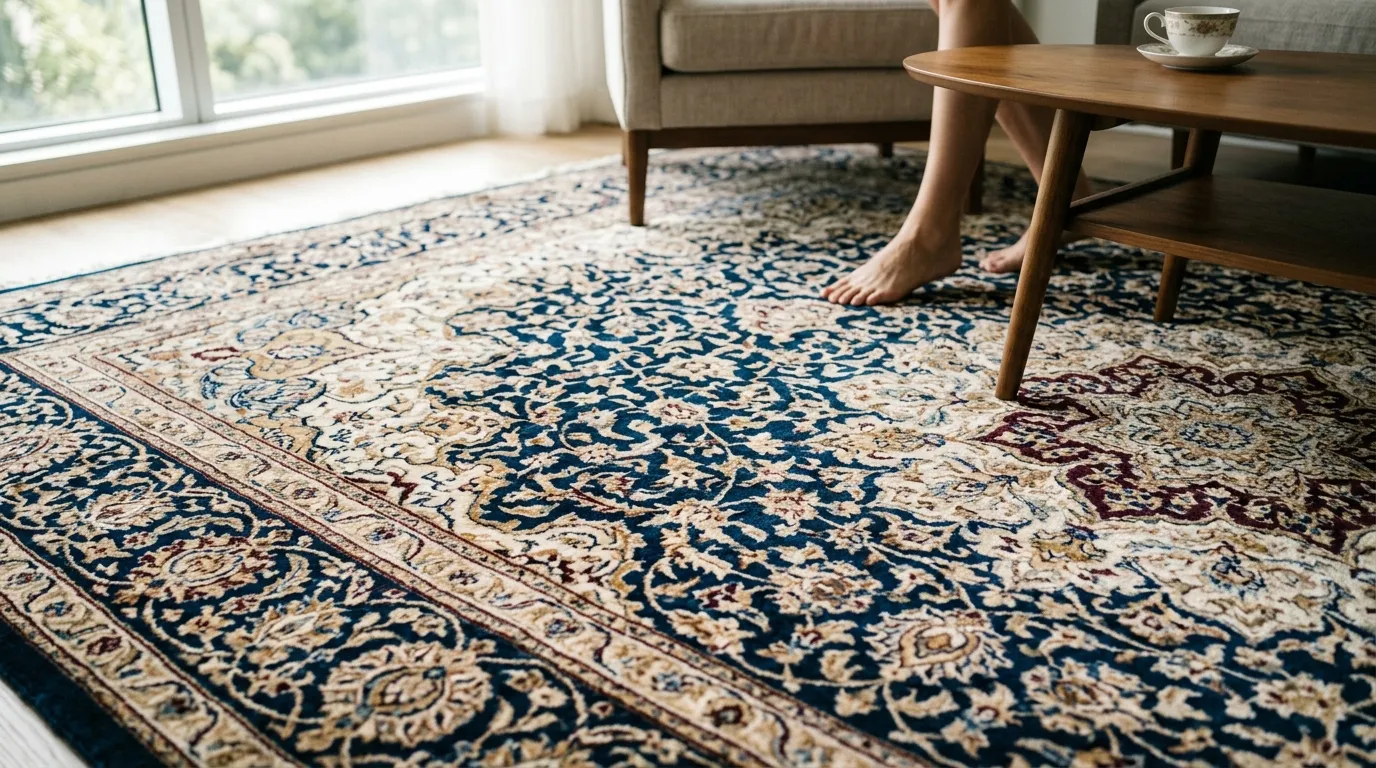
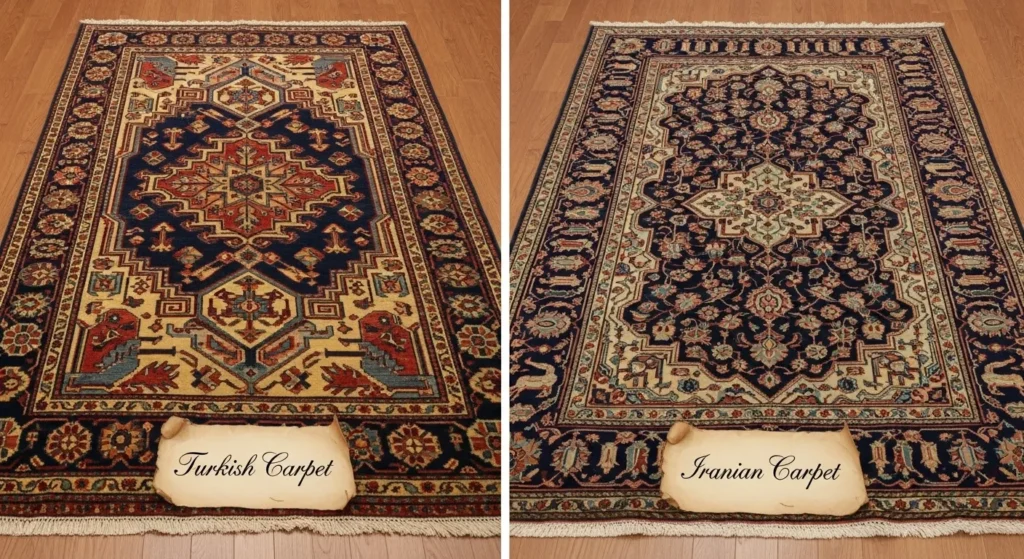
Iranian carpets are known for intricate, curvilinear designs and complex pattern structures. Common elements include central medallions, floral motifs, arabesques, and detailed borders. Designs often carry symbolic meaning and are symmetrical or intentionally asymmetrical depending on regional style.
Color palettes in Iranian carpets are typically deep and layered, featuring shades of red, navy, ivory, beige, and indigo, often achieved using natural dyes. Subtle color variation, known as abrash, is common and considered a mark of authenticity.
Turkish carpets tend to feature bolder, more geometric patterns with repetitive motifs. Tribal influences are more pronounced, especially in older Anatolian styles. Modern Turkish carpets increasingly incorporate contemporary designs, neutral tones, and minimalist aesthetics to suit modern interiors.
In Sharjah homes, Iranian carpets are more commonly used in formal spaces, majlis areas, and traditional interiors, while Turkish carpets are often chosen for living rooms, bedrooms, and apartments with modern layouts.
Material and Weaving Quality
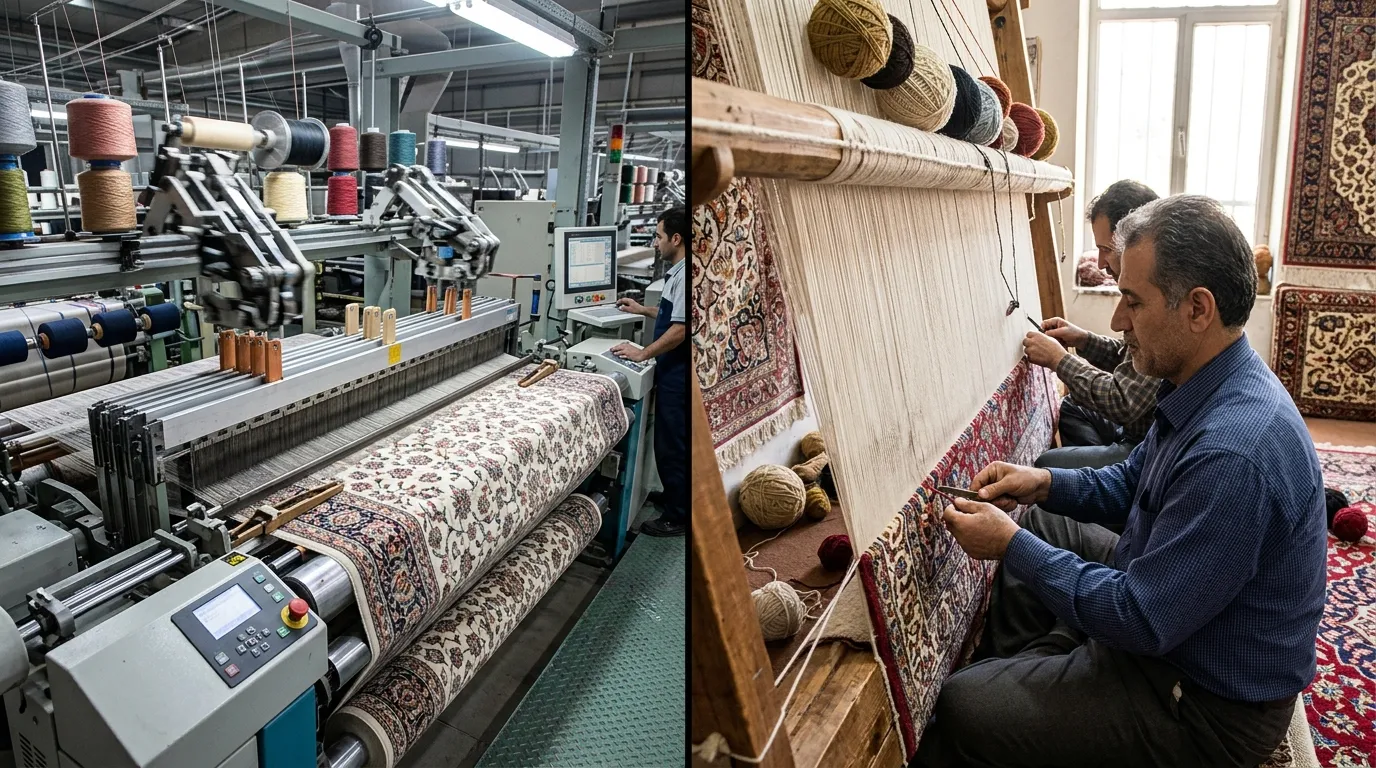
Authentic Iranian carpets are primarily hand-knotted using the asymmetrical Persian knot. This knot allows for finer detailing and higher knot density, resulting in sharper designs and smoother surfaces. Wool quality is a defining feature, with Iranian wool known for its softness, elasticity, and dye absorption. Silk is frequently used in premium Iranian carpets, either fully or for highlights.
Turkish carpets traditionally use the symmetrical Turkish knot, also known as the Ghiordes knot. This knot creates a thicker, more durable pile but limits design complexity compared to Persian knotting. Wool used in Turkish carpets is typically slightly coarser, contributing to durability rather than finesse.
From a technical standpoint, Iranian carpets are often superior in detail and refinement, while Turkish carpets excel in structural strength and resistance to wear, making them practical for high-traffic areas in Sharjah homes.
Price Range in Sharjah Markets
Price is a major factor influencing popularity. Iranian carpets generally command higher prices due to labor-intensive production, higher knot density, and the use of premium materials such as fine wool and silk.
In Sharjah, authentic hand-knotted Iranian carpets can range from mid to very high price brackets depending on size, origin, material, and age. Silk Iranian carpets are among the most expensive offerings in the market.
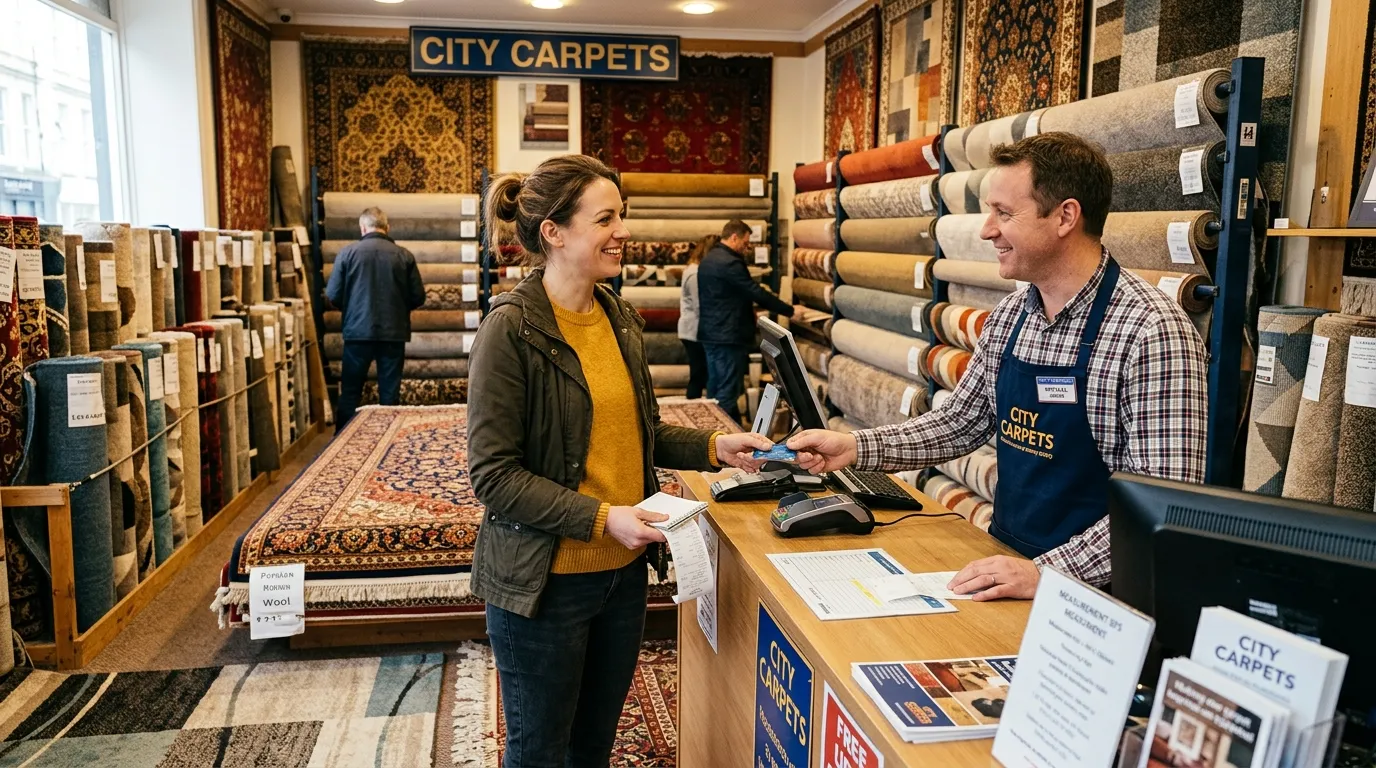
Turkish carpets are available across a broader price spectrum. While hand-knotted Turkish carpets can be expensive, many Turkish options in Sharjah are machine-made or semi-handmade, making them significantly more affordable.
This price accessibility contributes to the popularity of Turkish carpets among budget-conscious buyers, renters, and families seeking durability without long-term investment intent.
Popular Uses in Sharjah Homes
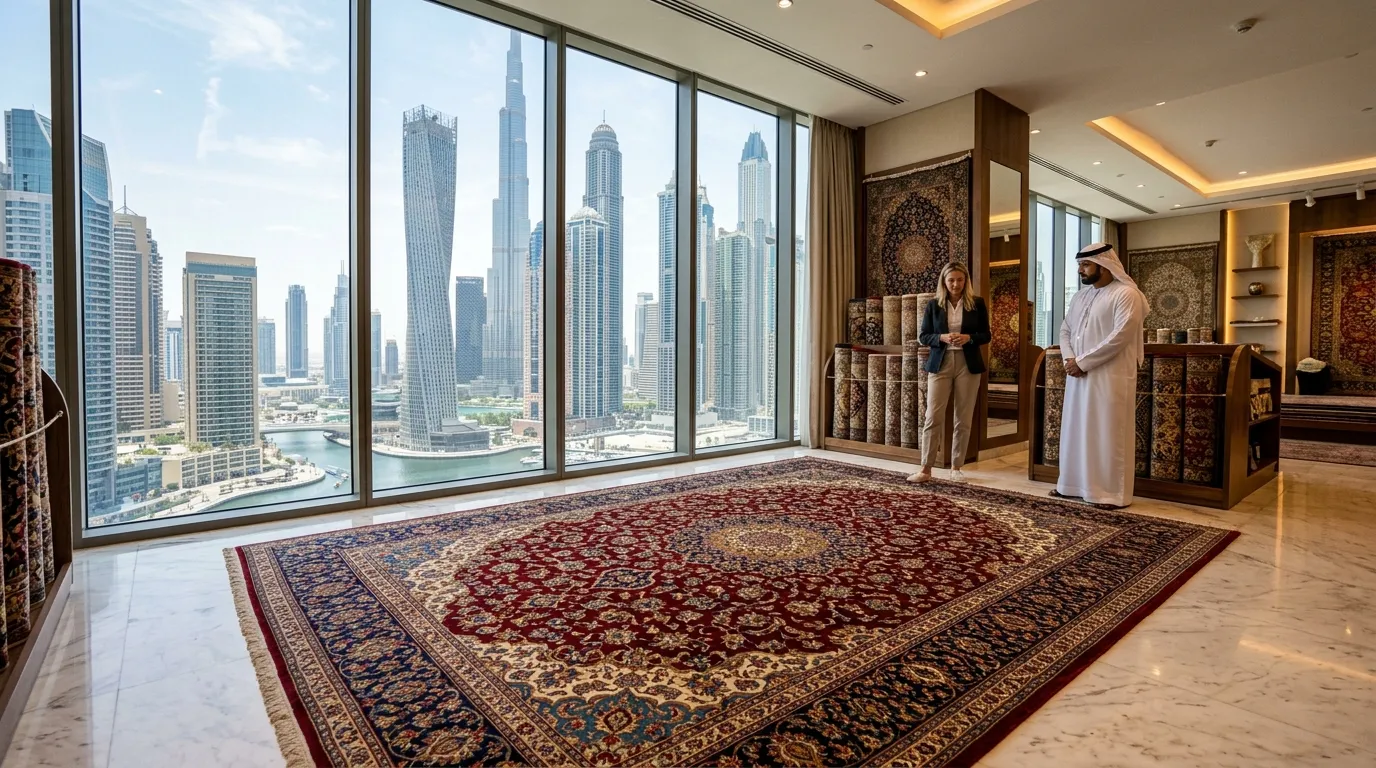
Iranian carpets are commonly used in formal settings such as majlis rooms, guest lounges, and traditional villas. They are often treated as centerpiece items and are placed in low-traffic areas to preserve condition.
Turkish carpets are more frequently used in daily living spaces, including family rooms, bedrooms, and dining areas. Their thicker pile and sturdier construction make them suitable for homes with children and frequent foot traffic.
In apartments and newer residential developments in Sharjah, Turkish carpets tend to be more prevalent due to space constraints and modern interior styles, while Iranian carpets dominate in larger, traditionally designed homes.
Maintenance and Longevity
Iranian carpets, when properly maintained, can last several decades and often increase in value over time. Natural fibers and dyes age gracefully, but these carpets require careful handling. Regular professional cleaning, protection from direct sunlight, and controlled humidity are essential, especially in Sharjah’s climate.
Turkish carpets are generally easier to maintain. Their thicker pile and robust knotting make them more forgiving of frequent use and cleaning. Many Turkish carpets tolerate standard vacuuming and occasional deep cleaning without significant damage.
For buyers prioritizing longevity as an heirloom or asset, Iranian carpets are preferred. For those seeking ease of maintenance and daily usability, Turkish carpets are more practical.
Availability in Sharjah Carpet Shops
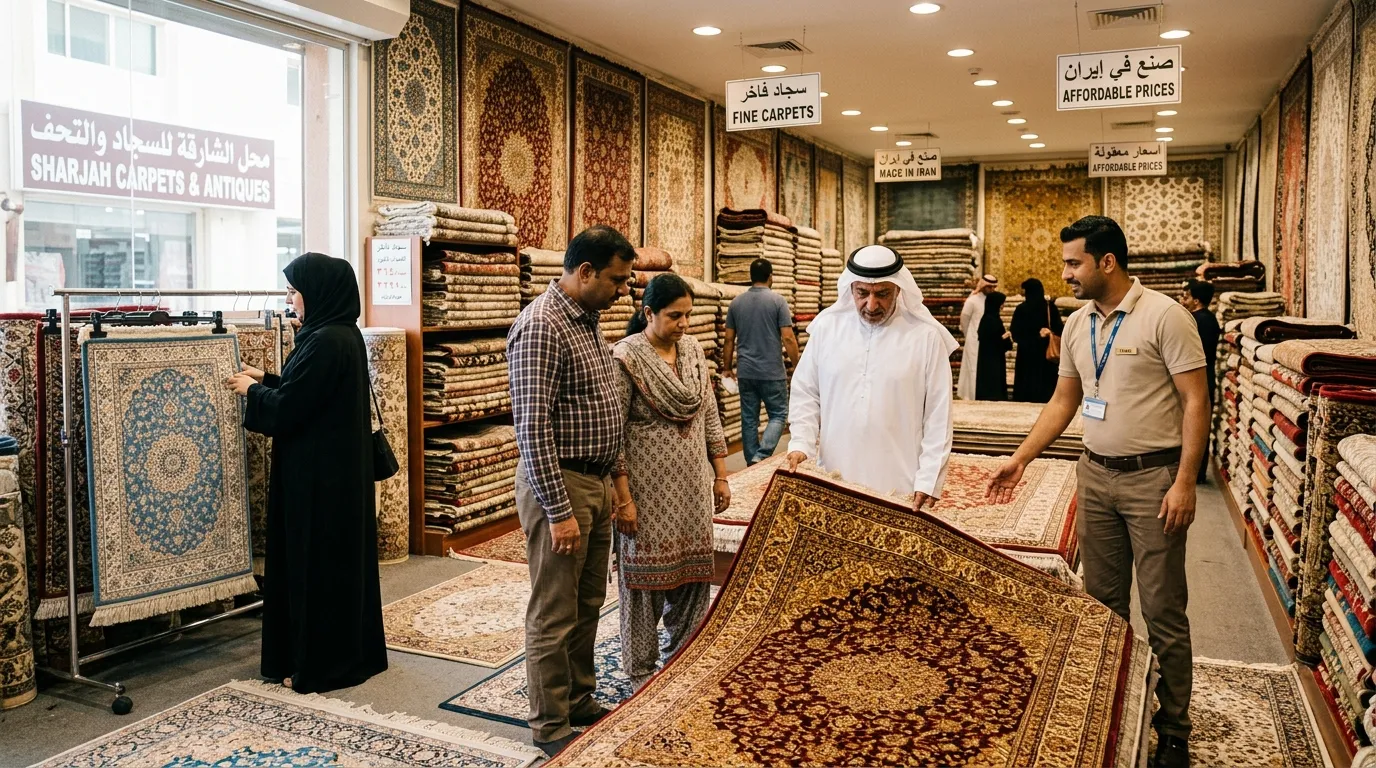
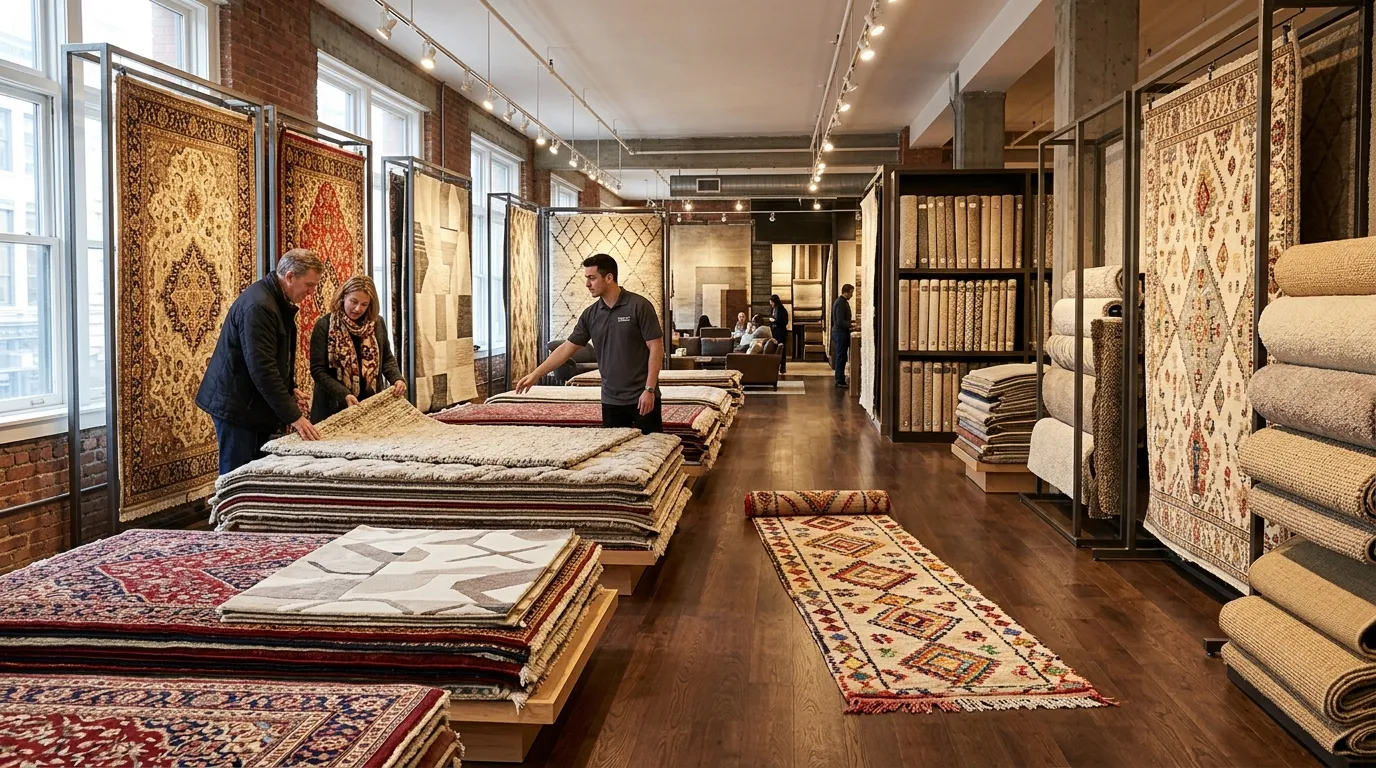
Iranian carpets are widely available in Sharjah, particularly in established carpet souks and specialty stores. Many shops focus heavily on Iranian collections due to consistent demand and perceived prestige.
Turkish carpets are also readily available but are often sold alongside carpets from other countries, including machine-made options. Dedicated Turkish carpet specialists are fewer, but Turkish carpets are common in mixed inventory stores.
Overall, Iranian carpets have stronger representation in Sharjah’s traditional carpet market, reinforcing their popularity among experienced buyers and collectors.
Which Carpet Fits Your Space Better?
Choosing between Turkish and Iranian carpets depends on space usage, aesthetic preference, and budget. Iranian carpets suit formal interiors, traditional decor, and buyers seeking cultural and long-term value.
Turkish carpets fit modern spaces, active households, and buyers who prioritize durability and affordability. They also integrate well into contemporary Sharjah apartments with neutral color schemes and minimalist furniture.
The popularity gap in Sharjah reflects these practical considerations rather than absolute superiority of one over the other.
Final Words
Iranian carpets remain more popular in Sharjah due to their craftsmanship, heritage value, and strong cultural association with authenticity and luxury. Turkish carpets, while slightly less dominant, maintain steady demand for their durability, modern adaptability, and accessible pricing.
Rather than competing directly, Turkish and Iranian carpets serve different needs in Sharjah’s diverse housing landscape. Understanding their technical differences allows buyers to choose based on function, not assumption.
Also Reaad: Persian Carpets in Sharjah: How to Identify Original Pieces