
A trustworthy carpet store is one that consistently delivers transparent pricing, reliable product quality, proper installation services, and honest customer support without hidden costs or misleading claims.
Most people only evaluate a carpet store based on price or appearance of samples, but trust is actually built through a combination of factors that show up before, during, and after the purchase. If a store is unclear about pricing, lacks product knowledge, or avoids responsibility after installation, it usually signals deeper issues in service quality. A reliable store, on the other hand, stays consistent across every stage of the buying experience.
So instead of guessing which store to trust, it helps to understand the exact signals that indicate professionalism and long-term reliability. That is what this breakdown focuses on.
1. Positive Customer Reviews
Customer reviews are usually the first indicator of trustworthiness because they reflect real experiences over time.
A reliable carpet store will typically have consistent feedback about product quality, installation standards, and after-sales support. What matters is not just high ratings, but the pattern of feedback. If multiple customers mention punctual installation, durable materials, and responsive service, it usually indicates stable operations.
Stores with mixed or unclear reviews often show inconsistency in service delivery, which is a warning sign for long-term reliability.
2. Clear Pricing
Transparent pricing is one of the strongest indicators of a trustworthy carpet store.
A reliable store will clearly break down costs, including material price, installation charges, and any additional services. There should be no hidden fees or last-minute additions during the purchase process.
If pricing is vague or constantly changing depending on the customer, it usually indicates poor internal structure or an attempt to upsell without clarity. Clear pricing builds confidence and reduces confusion during decision making.
3. Quality Products
Product quality directly reflects how seriously a store treats long-term customer satisfaction.
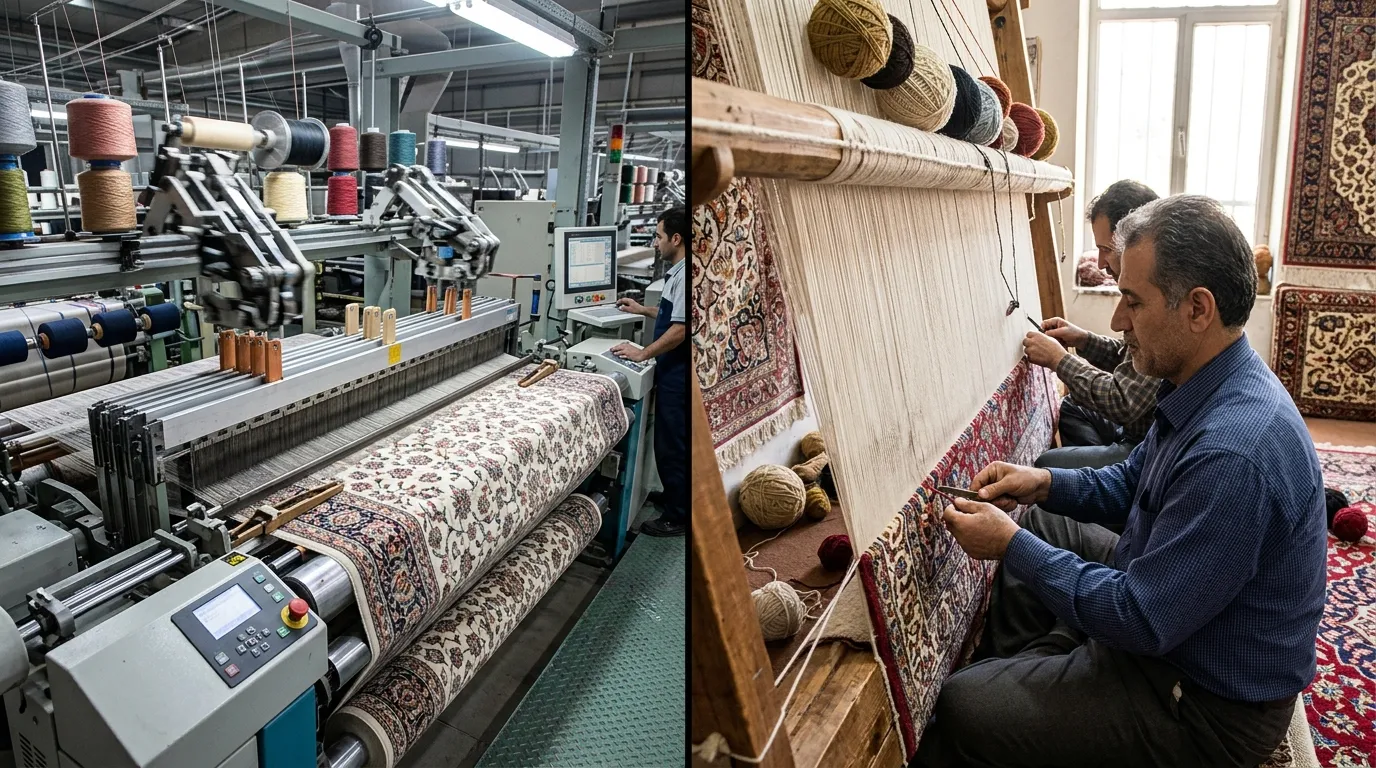
A trustworthy carpet store will offer durable materials with clear specifications such as fiber type, density, pile height, and backing quality. They should also be able to explain the differences between options without pushing one product aggressively.
Low-quality stores often focus only on appearance or discounts, while reliable ones prioritize durability and suitability for specific spaces like residential, commercial, or high-traffic areas.
4. Knowledgeable Staff
Staff knowledge plays a major role in guiding customers toward the right decision.
A trustworthy carpet store employs staff who understand materials, installation methods, maintenance requirements, and suitability for different environments. They should be able to explain why one carpet works better for a specific space rather than just showing random samples.
If staff cannot answer technical questions or rely only on generic sales talk, it usually indicates limited expertise behind the store’s operations.
5. Proper Installation Service
Installation quality is just as important as the carpet itself, and trustworthy stores treat it as part of the core service.
A professional carpet store provides trained installers who ensure proper measurement, fitting, and finishing. This includes correct stretching, seam alignment, and edge securing.
Poor installation can lead to wrinkles, uneven surfaces, and early wear, even if the carpet itself is high quality. Reliable stores take responsibility for installation as part of the full package.
6. Warranty and Return Policy
A clear warranty and return policy is a strong sign that a store stands behind its products.
Trustworthy carpet stores usually offer warranties that cover manufacturing defects, premature wear under normal use, or installation-related issues. They also clearly define return conditions so customers know what is and is not allowed.
If a store avoids discussing warranties or keeps policies vague, it usually indicates limited accountability after the sale.
7. Wide Product Range
A good carpet store offers variety not just for display, but to match different needs and budgets.
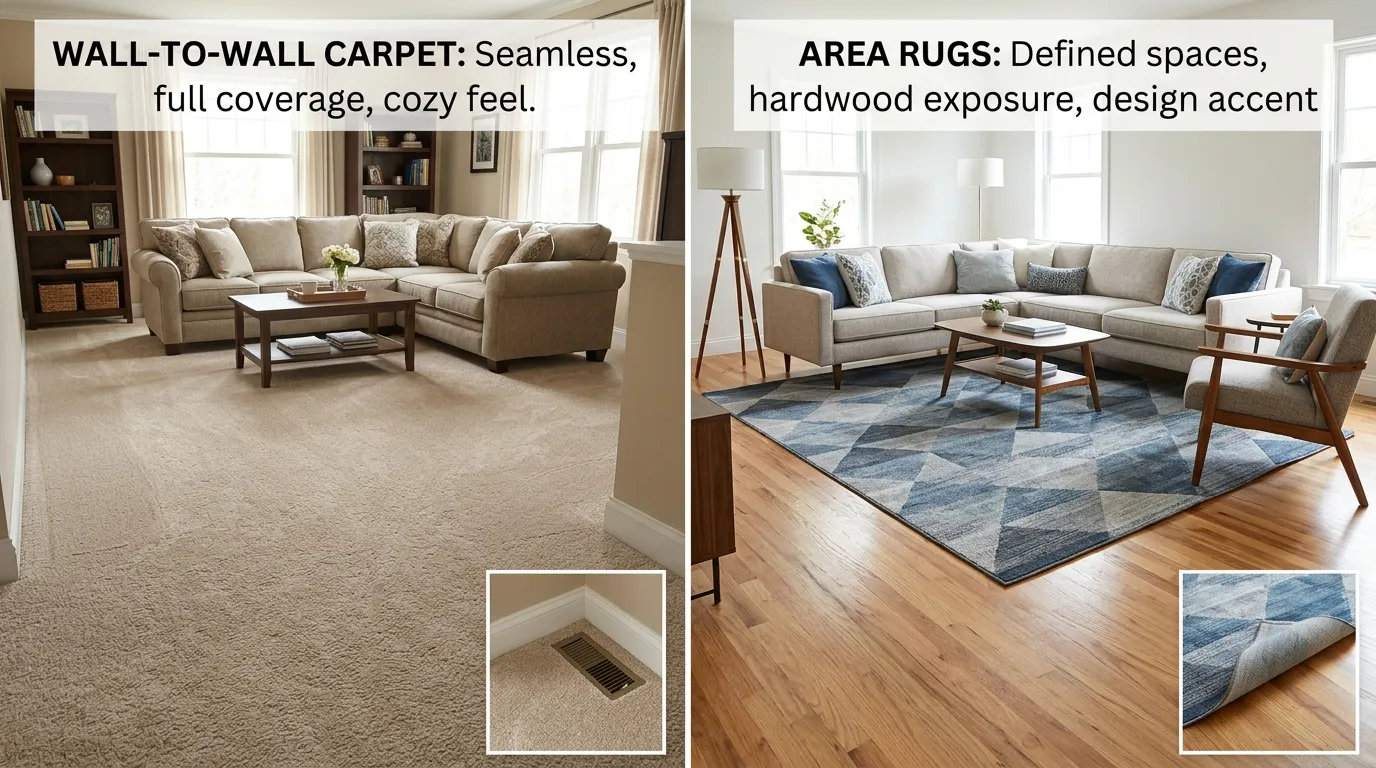
This includes different materials, textures, colors, and price ranges suitable for residential, commercial, and luxury spaces. A wider range allows customers to compare options properly instead of being pushed into limited choices.
Stores with very narrow selections often lack sourcing depth or flexibility, which can limit customer satisfaction.
8. Honest Recommendations
Honest guidance is a key marker of trust because it shows the store is prioritizing suitability over sales.
A reliable carpet store will recommend products based on your space, usage, and budget rather than simply pushing the most expensive option. For example, they will suggest durable materials for high-traffic areas and softer textures for low-use rooms.
If recommendations feel overly aggressive or always point to premium pricing regardless of need, it usually signals a sales-driven rather than customer-focused approach.
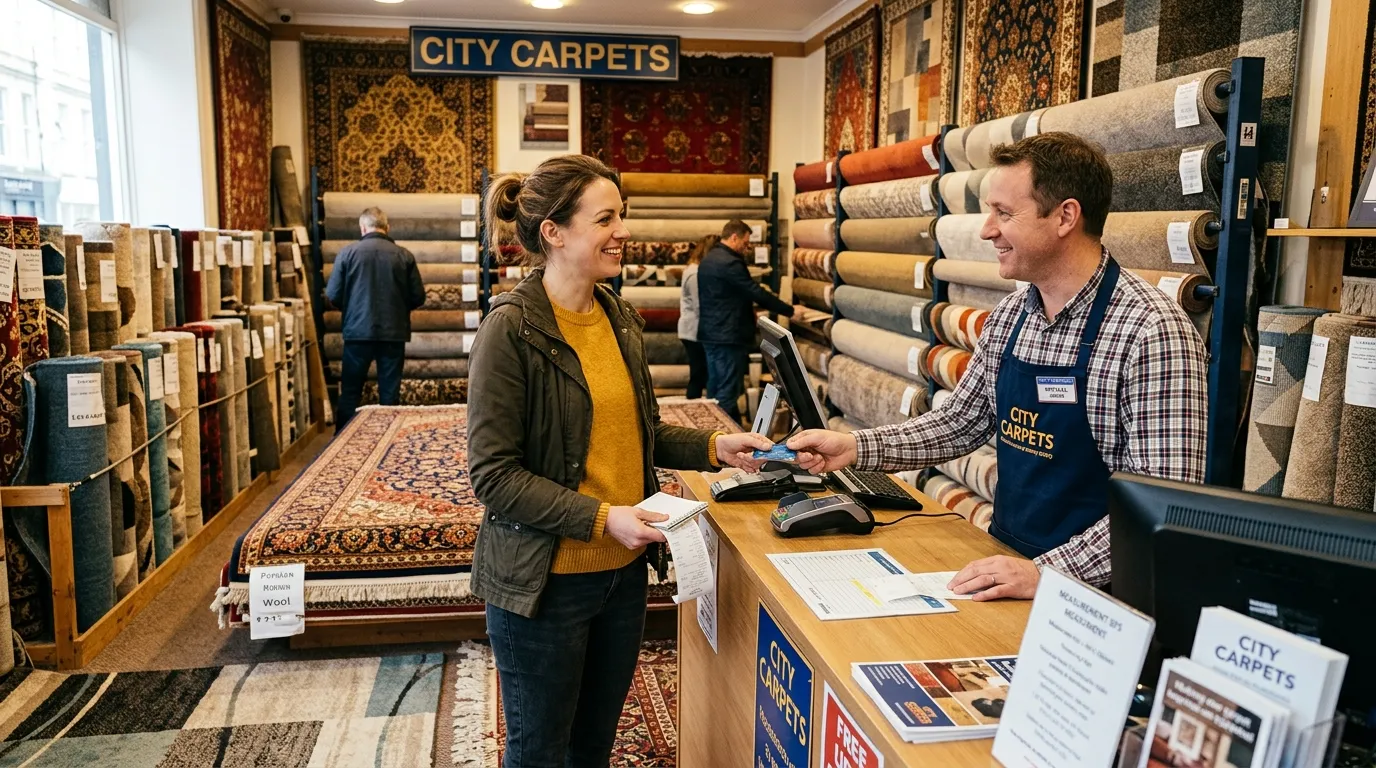
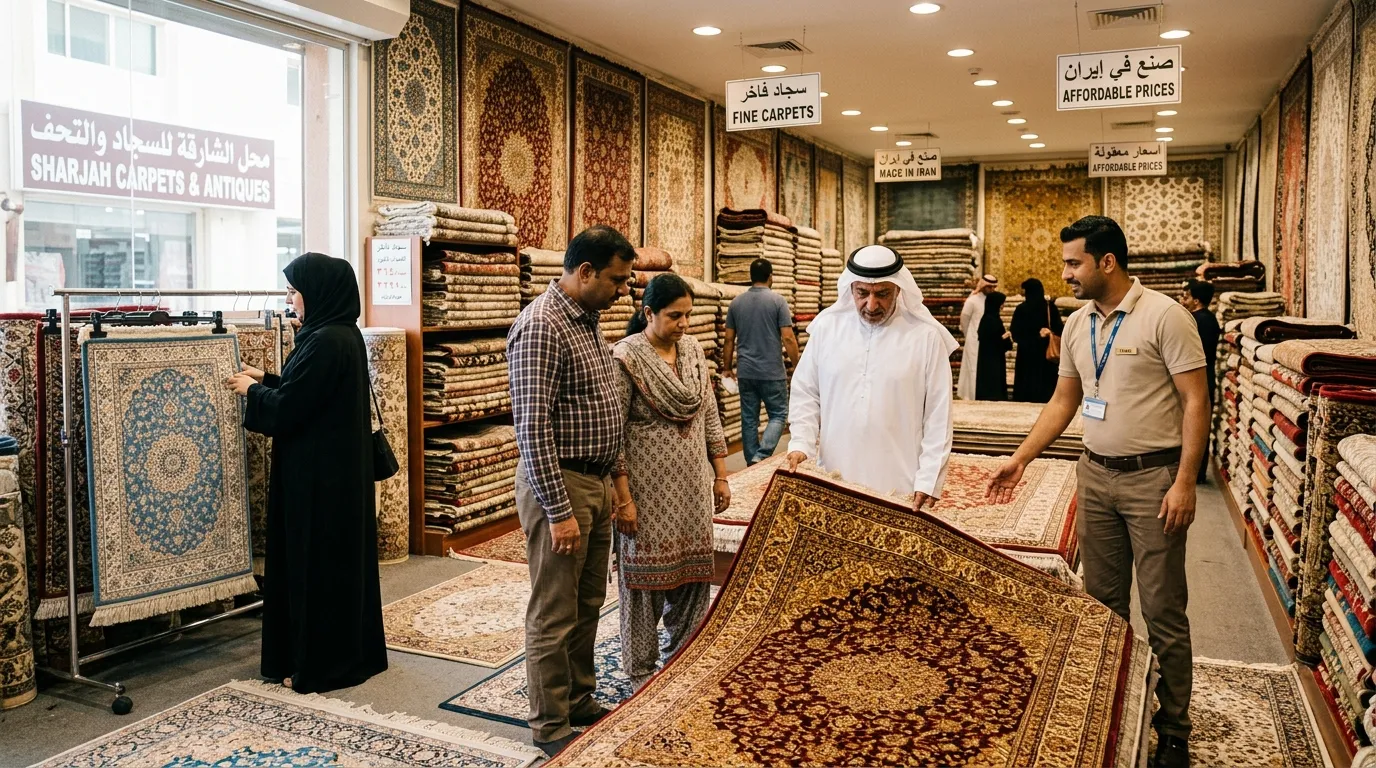
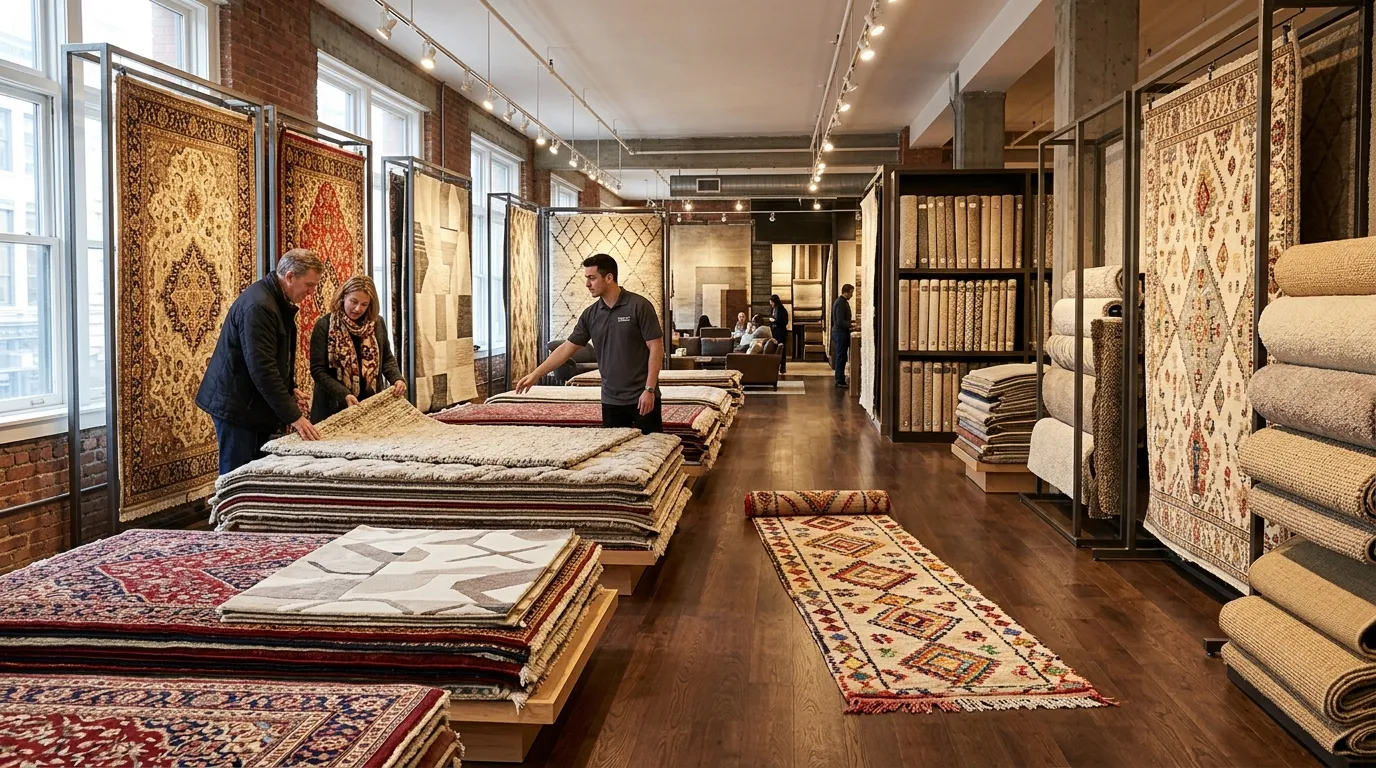
9. Physical Store
A physical store adds a layer of credibility that online-only sellers often cannot match.
Being able to visit a showroom allows customers to inspect materials, compare textures, and verify quality in person. It also indicates that the business has a stable, long-term presence in the market.
While online presence is useful, a physical location provides accountability and reduces uncertainty during the buying process.
10. After-Sales Support
After-sales service is where trust is truly tested.
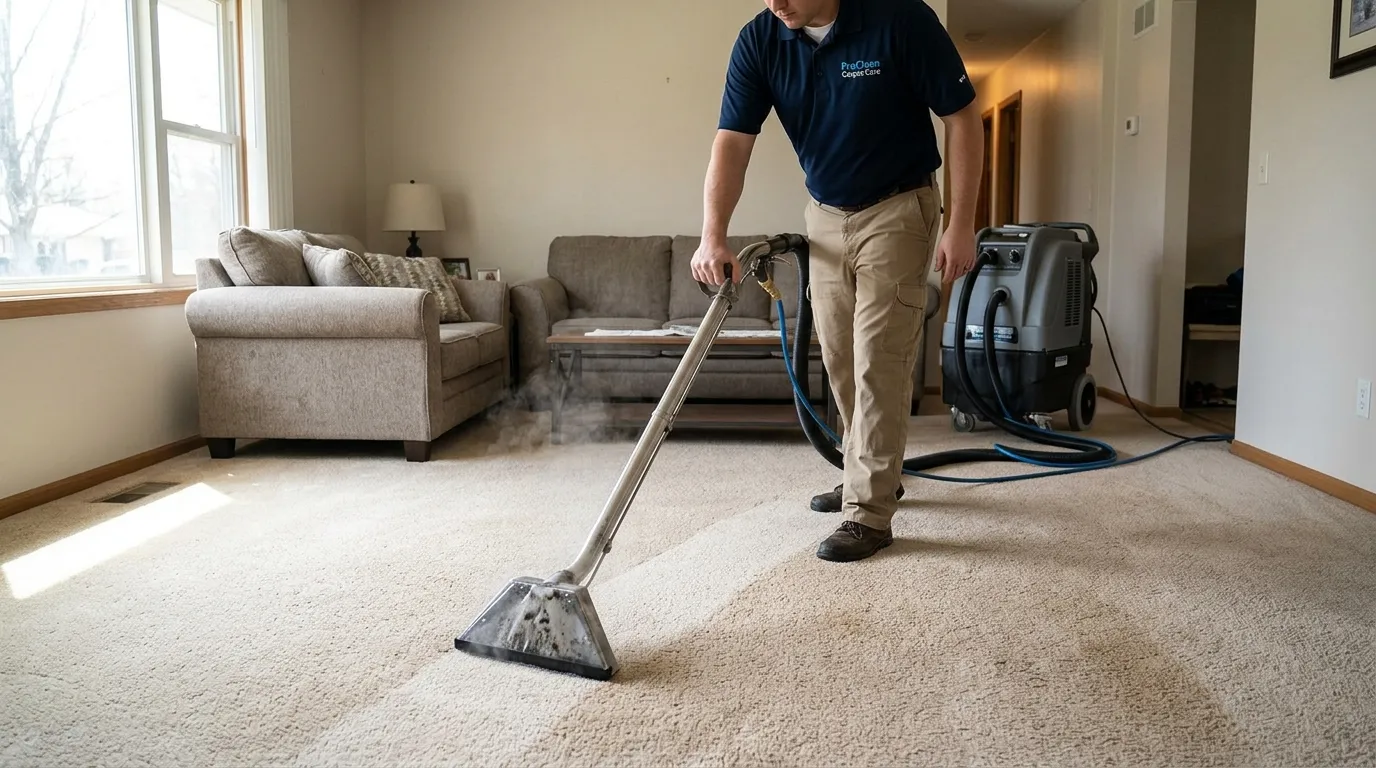
A trustworthy carpet store does not disappear after installation. They remain available for adjustments, maintenance guidance, and issue resolution if needed. This includes handling installation corrections, minor repairs, or product-related concerns.
Stores with strong after-sales support tend to build long-term customer relationships rather than one-time transactions, which is a strong indicator of reliability.
Conclusion
A trustworthy carpet store is defined by consistency across pricing, product quality, installation, and after-sales service rather than just appearance or discounts.
When all these factors align, customers get not only a good product but also a smooth and reliable buying experience. The most dependable stores are the ones that remain transparent, knowledgeable, and accountable at every stage, from selection to installation and beyond.