
Quality carpets can last anywhere from 5 to over 50 years in UAE conditions, depending on the carpet material, construction method, and how well it is suited to heat, dust, air conditioning, and daily foot traffic, which is why choosing the right carpet from the start matters far more than simply choosing an expensive one.
If you are buying carpets for a UAE home, villa, apartment, or commercial space, understanding realistic lifespan expectations helps you invest wisely, plan replacements accurately, and avoid disappointment caused by premature wear.
This guide breaks down how long different carpet types last in UAE conditions and explains the environmental factors that directly impact durability.
Polypropylene Carpets
Polypropylene carpets are among the most commonly used carpets in UAE homes due to their affordability and resistance to moisture. In UAE conditions, a good-quality polypropylene carpet typically lasts 5 to 8 years with regular residential use.
This material performs well in hot climates because it does not absorb moisture easily, making it resistant to mold and mildew. It also handles air-conditioned environments without shrinking or warping. However, polypropylene fibers are softer and less resilient than nylon or wool, which means they flatten faster under continuous foot traffic.
In homes with moderate traffic, polypropylene carpets maintain acceptable appearance for several years. In high-traffic areas such as living rooms, hallways, or majlis spaces, visible wear can appear sooner, especially if pile density is low.
Polypropylene carpets are best suited for rental properties, guest rooms, or areas where cost control is more important than long-term durability.
Polyester Carpets
Polyester carpets generally last 6 to 10 years in UAE homes when chosen with adequate pile density and used in appropriate spaces. Polyester is known for its softness, color clarity, and stain resistance, making it visually appealing in bedrooms and low-traffic areas.
In UAE conditions, polyester performs well against humidity and temperature changes caused by heavy AC usage. However, like polypropylene, it lacks the fiber resilience of nylon, meaning it is more prone to crushing and matting over time.
High-quality polyester carpets with dense construction can last closer to the upper end of the lifespan range, while cheaper variants show wear much earlier. Polyester is not ideal for areas exposed to heavy sand ingress or frequent movement of furniture.
This material is a good balance between comfort, aesthetics, and moderate durability when lifespan expectations are realistic.
Nylon Carpets
Nylon carpets are among the most durable machine-made carpets available and typically last 10 to 15 years or more in UAE residential settings. In some commercial-grade applications, nylon carpets can last even longer with proper maintenance.
Nylon fibers are highly resilient, meaning they recover their shape after compression from foot traffic. This makes them particularly suitable for high-traffic UAE homes where sand, frequent movement, and daily use are unavoidable.
In air-conditioned environments, nylon remains stable and does not become brittle. It also resists abrasion better than polypropylene or polyester, which directly translates into longer lifespan.
Although nylon carpets are more expensive upfront, they often provide better long-term value due to reduced replacement frequency. For families, villas, and busy households, nylon is often the most practical machine-made option.
Wool Carpets
Wool carpets can last 20 to 30 years or more in UAE homes when properly maintained and placed in suitable environments. Wool is a natural fiber with excellent resilience, insulation properties, and comfort underfoot.
In UAE conditions, wool handles temperature changes well but requires more careful maintenance due to dust and sand. Wool fibers can trap fine particles, which accelerates wear if regular vacuuming is neglected.
Strong AC use does not damage wool, but excessive dryness combined with lack of cleaning can make fibers brittle over time. Wool also requires protection from direct sunlight, as prolonged UV exposure can fade natural dyes.
When used in formal living rooms, majlis areas, or low-to-moderate traffic spaces, wool carpets offer exceptional longevity and timeless appearance.
Handmade Carpets
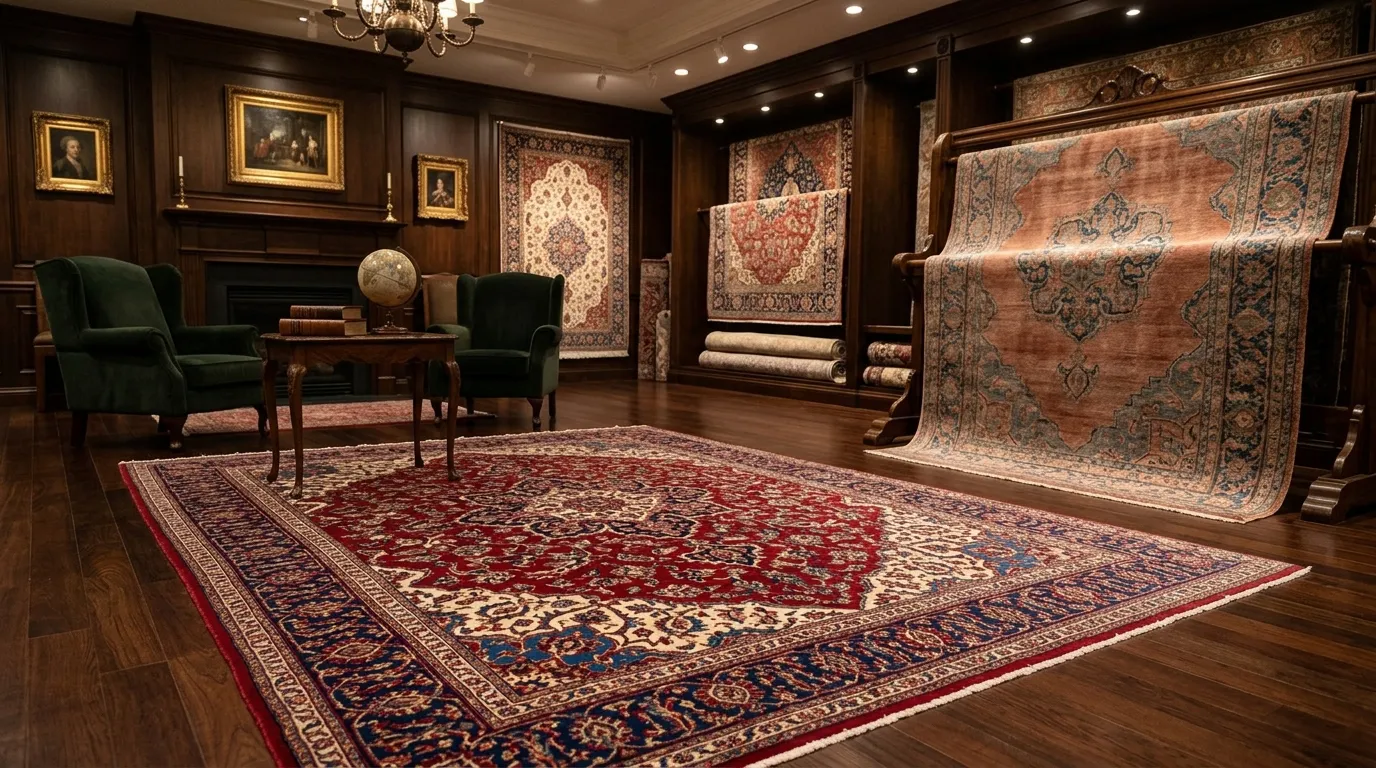
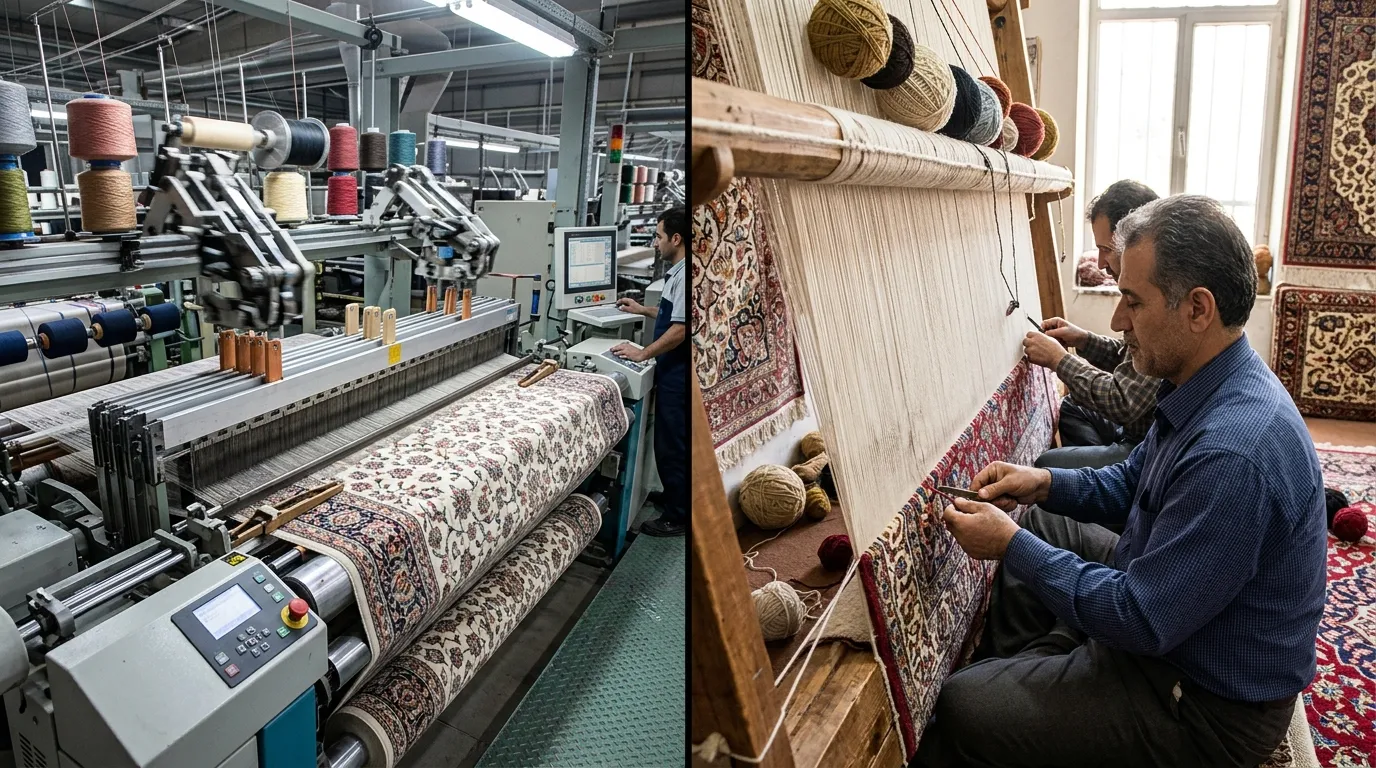
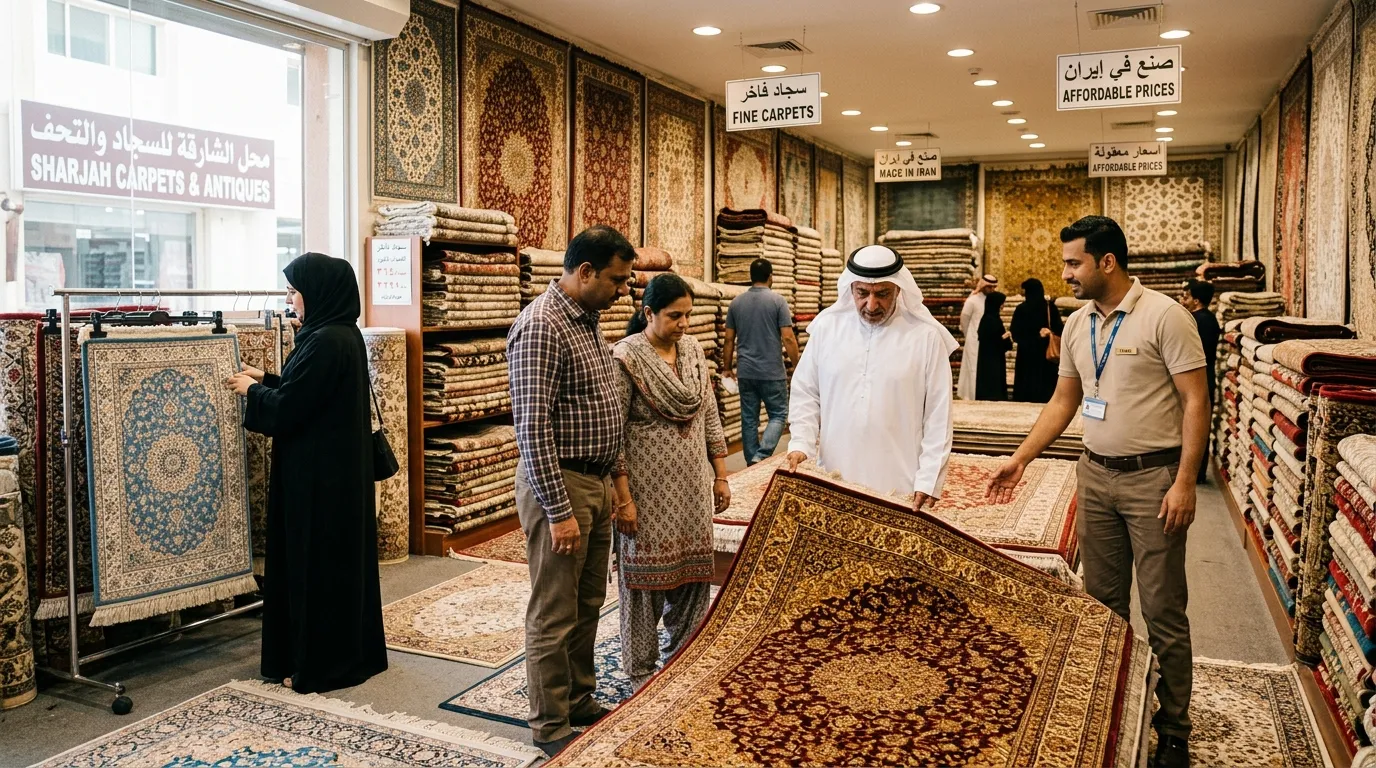
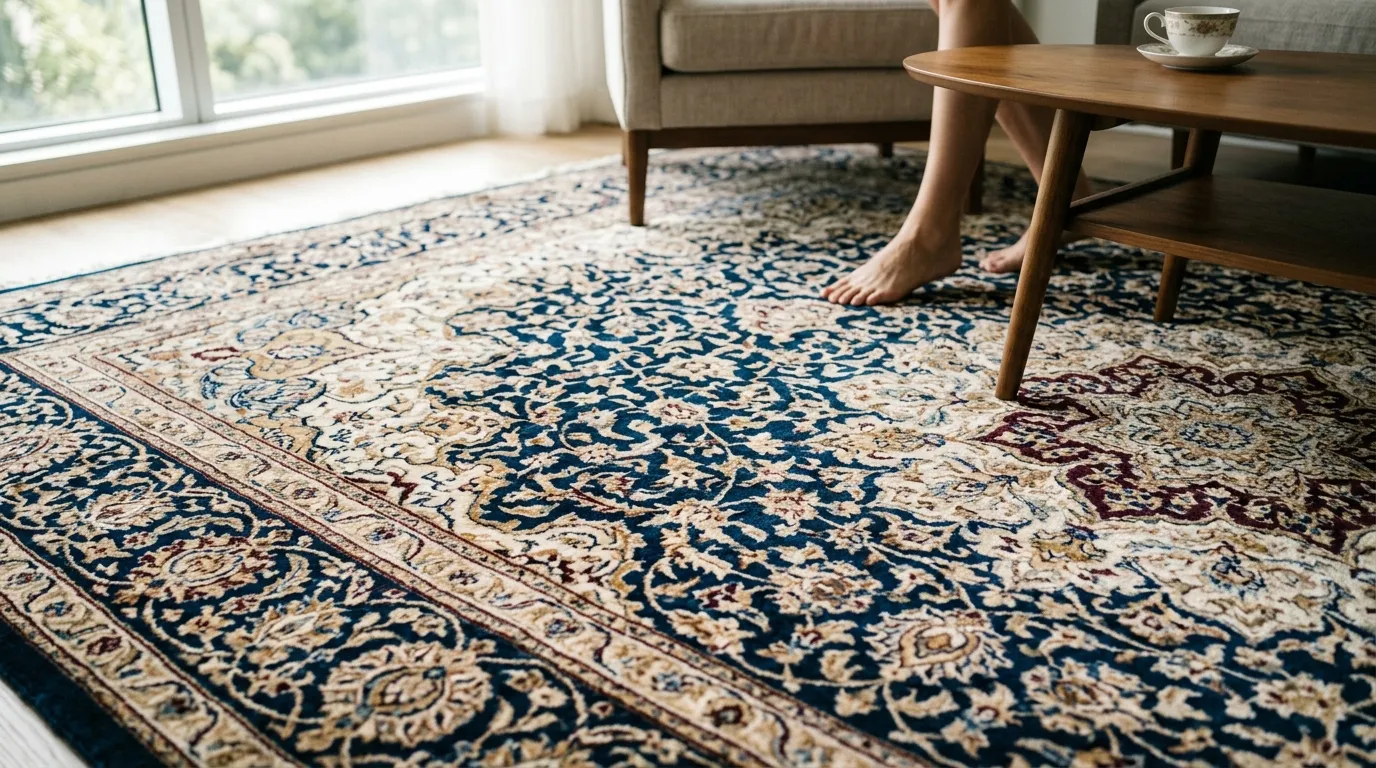
Handmade carpets, especially hand-knotted Persian, Turkish, Afghan, or Caucasian carpets, can last 40 to 100 years or more even in UAE conditions, provided they are genuine and well cared for.
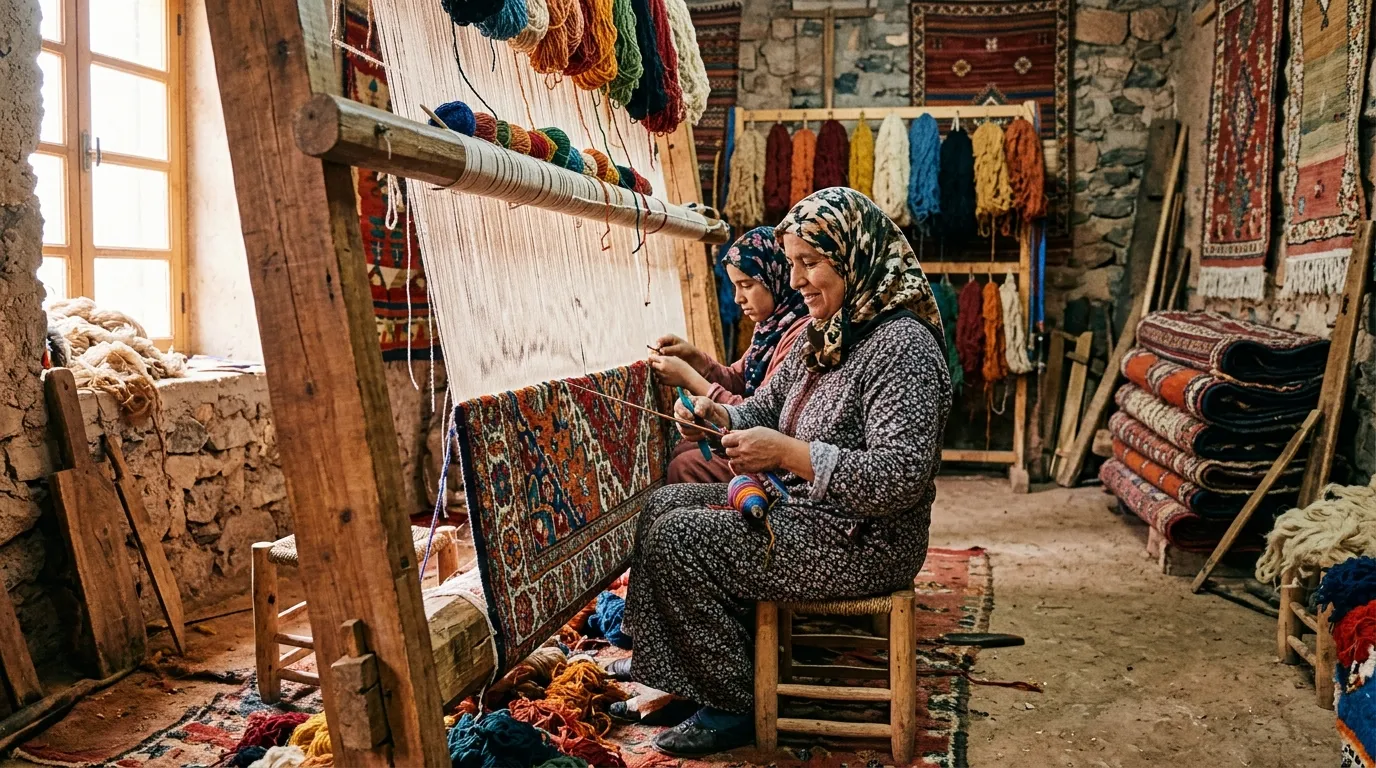
The durability of handmade carpets comes from tight knot density, natural fibers, and traditional weaving techniques. High knot counts result in stronger structural integrity, allowing the carpet to withstand decades of use.
In UAE homes, handmade carpets perform best when rotated periodically, protected from constant sunlight, and cleaned professionally at appropriate intervals. While they are more sensitive to sand abrasion, their thickness and density allow for restoration and repair rather than replacement.
These carpets are best viewed as long-term investments rather than consumable furnishings, especially in climate-controlled indoor environments.
What Affects Lifespan in UAE Homes?
Even the highest-quality carpet can wear out prematurely if environmental factors are ignored. UAE homes present specific challenges that directly influence carpet lifespan.
Strong AC Use
Continuous air conditioning creates dry indoor environments that affect carpet fibers differently depending on material. Synthetic carpets handle AC well with minimal impact, while natural fibers like wool may dry out if humidity levels are too low.
Stable indoor temperatures generally benefit carpets by reducing expansion and contraction, but excessive dryness accelerates fiber fatigue if carpets are not cleaned and conditioned properly.
Dust and Sand
Dust and sand are the most damaging factors for carpets in the UAE. Fine sand particles act like abrasives, wearing down fibers from within the pile.
Carpets placed near entrances, balconies, or windows experience faster wear unless preventive measures such as door mats and frequent vacuuming are used. Low-pile and dense carpets resist sand damage better than thick, loose piles.
Regular removal of embedded particles significantly extends carpet lifespan regardless of material.
Sunlight from Large Windows
UAE homes often feature large windows that allow strong sunlight to enter. Prolonged UV exposure fades colors and weakens fibers, particularly in natural-dye carpets and wool rugs.
Using curtains, blinds, or UV-protective window films helps preserve carpet appearance. Rotating area rugs periodically ensures even exposure and prevents uneven fading.
Sunlight damage is cumulative and irreversible, making prevention critical for long-term durability.
Foot Traffic Level
Foot traffic intensity directly affects how long a carpet lasts. High-traffic areas experience fiber compression, abrasion, and dirt accumulation faster than low-use spaces.
Choosing the right carpet type for each room is essential. Durable materials like nylon or low-pile wool perform better in busy areas, while softer carpets should be reserved for bedrooms or formal spaces.
Ignoring traffic patterns is one of the most common reasons carpets wear out early in UAE homes.
Cleaning Routine
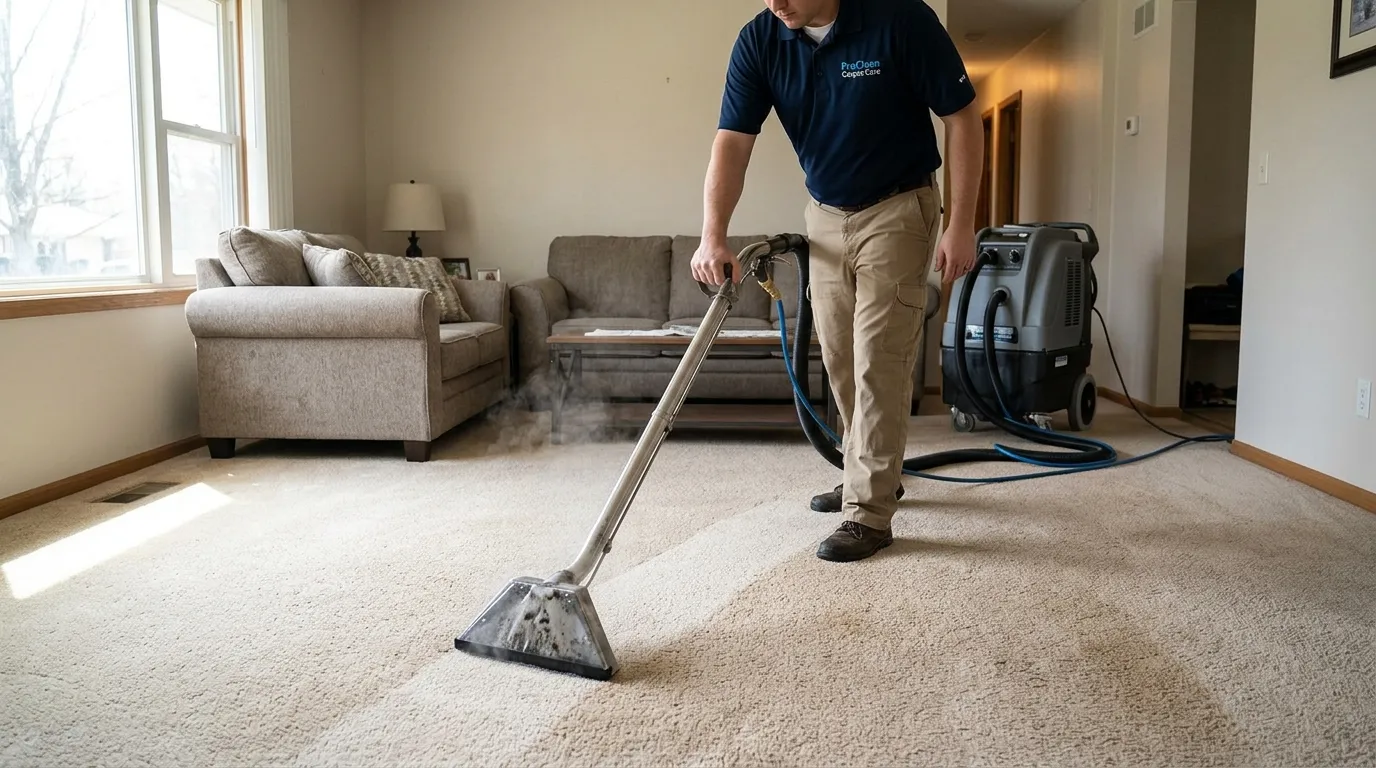
Cleaning frequency and method significantly influence lifespan. Regular vacuuming removes abrasive particles before they damage fibers. Delayed or improper cleaning accelerates wear.
Over-wetting carpets during cleaning can damage backing materials, especially in machine-made carpets. Professional cleaning should be done based on material type, traffic level, and manufacturer recommendations.
Consistent, appropriate cleaning extends lifespan far more than occasional deep cleaning alone.
Conclusion
In UAE conditions, carpet lifespan depends far more on material choice, construction quality, and environmental management than on price alone. Polypropylene and polyester carpets serve well for short- to medium-term needs, nylon offers excellent durability for active homes, wool provides long-lasting comfort when maintained correctly, and handmade carpets stand as multi-decade investments.
By understanding how AC usage, dust, sunlight, foot traffic, and cleaning routines interact with different carpet types, homeowners can make informed decisions that maximize both performance and value. Choosing the right carpet for the right space ensures that it lasts as long as it should in the UAE’s unique indoor environment.
Also Read: Common Carpet Buying Mistakes To Avoid